Buckle up, space explorer! Here on Earth, daytime means a bright blue sky. But zoom up past the clouds and the sky turns inky black — even when the Sun is blazing right beside you. How can it be daytime and night-time at the same time? Let’s find out!
No Air, No Blue
Space has almost no air to scatter sunlight, so there’s nothing to turn the sky blue. It just stays black.
Black in Daytime
Astronauts on the Moon see a black sky even when the Sun is shining bright. Spooky and cool!
Light Needs a Target
You only see light when it bounces off something. Empty space has nothing for it to hit, so it looks dark.
Stars Are Far, Far Away
Stars are so spread out that their light barely fills the huge, empty gaps between them.
Why Earth’s Sky Is Blue (But Space Isn’t)
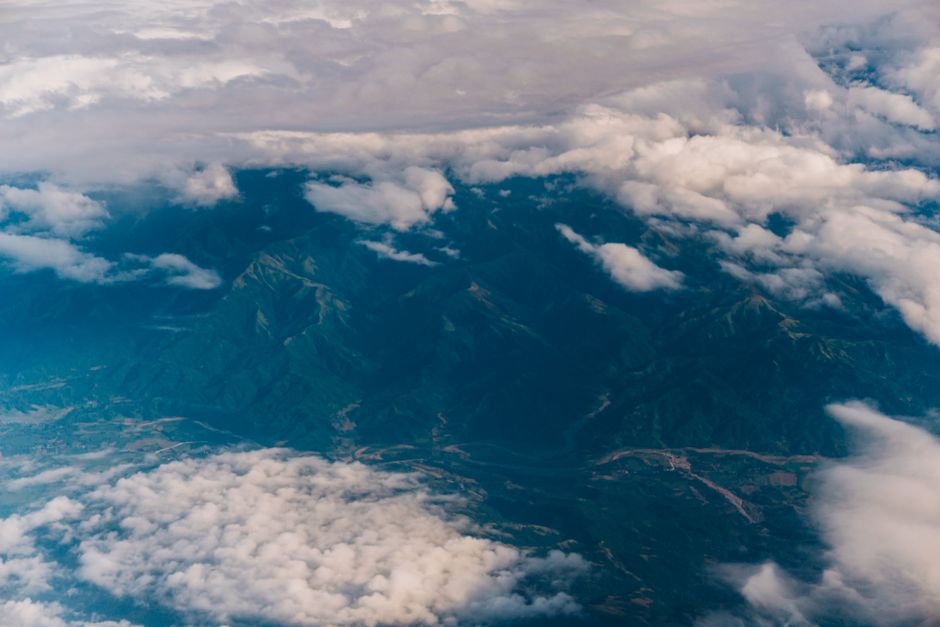
Earth is wrapped in a thick blanket of air. When sunlight zooms in, it crashes into all those tiny bits of air and bounces in every direction. Blue light bounces the most, so it scatters all across the sky — and that’s the lovely blue you see on a sunny day.
Out in space there is almost no air at all. With nothing to bounce off, the sunlight just shoots straight past in a beam. So instead of a glowing blue sky, you get pure black all around you — with the Sun and stars looking like bright dots stuck on a dark sheet.

So Where Does All the Starlight Go?
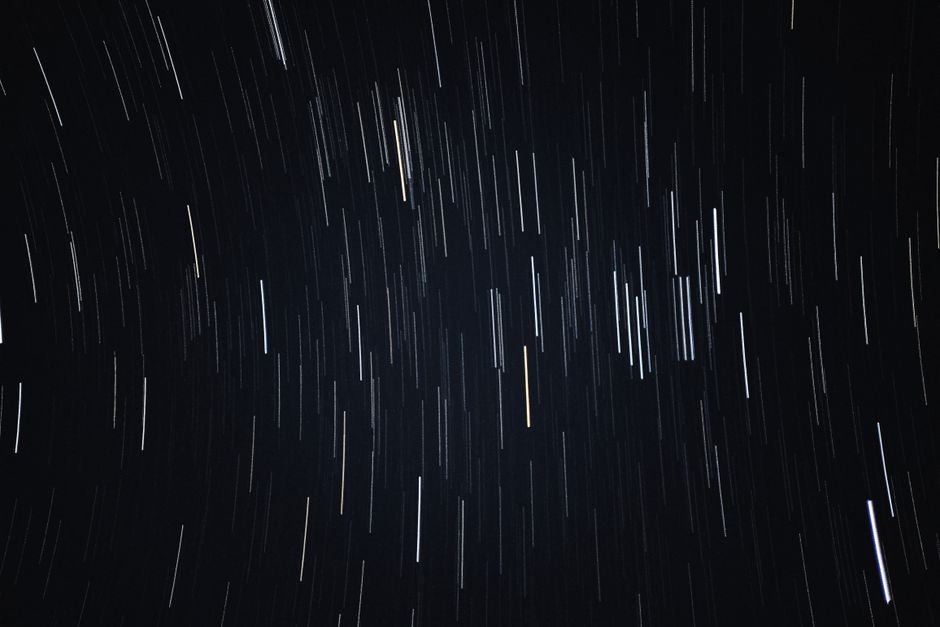
You might think that with billions and billions of stars, space should be packed with light. But the universe is unbelievably big, and the stars are spread incredibly far apart. Their light has to travel across enormous empty distances, so it spreads out and grows faint long before it reaches your eyes. That leaves the sky between the stars looking deep, velvety black.
🤯 Whoa, Really?!
The Sun is shining the whole time an astronaut floats in space — but because there’s no air to light up, the sky stays night-black right next to a dazzling Sun!
📖 Big Word: Atmosphere
The layer of air that wraps around a planet. Earth has a thick one (hello, blue sky!) but space has barely any.
The Science of Scattering
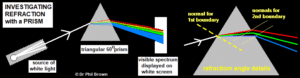
Sunlight looks plain white, but it’s really all the rainbow colours mixed together. When that light hits the tiny bits of air, the blue light gets bounced around the most — because it travels in shorter, quicker waves — so it spreads across the whole sky. Scientists call this bouncing-and-spreading “Rayleigh scattering.” The red light, with its longer, lazier waves, mostly zooms straight through. That’s why a sunny day’s sky glows blue all over your head!
📖 Big Word: Scatter
When light bounces off tiny bits (like the air) and spreads out in all directions. Blue light scatters the most — which is exactly why our sky looks blue.
Why Sunsets Turn Red and Orange
Here’s a bonus that uses the very same science! When the Sun sinks low at the end of the day, its light has to travel through much more air to reach your eyes. Along that long journey, nearly all the blue light scatters away into the distance — leaving the warm reds and oranges to shine straight through to you. That’s the secret behind every fiery sunset: the same scattering, just a longer path through the air.
Skies on Other Worlds
A planet’s sky colour is like a fingerprint of its air:
- 🌑 The Moon has no air at all, so its sky is always black — even in bright daytime.
- 🔴 Mars has thin, dusty air, so its daytime sky glows a butterscotch tan — and amazingly, its sunsets turn blue! NASA’s rovers have actually photographed Martian blue sunsets.
- 🌍 Earth’s thick, clear air gives us blue days and red-orange sunsets.
So every sky in the solar system tells you a little story about the air floating above it!
🧠 Quick Quiz — tap an answer!
1. Why is Earth’s sky blue?
2. Why does space look black?
Frequently Asked Questions
Q: Why is the sky dark in space?
Space has almost no air to scatter sunlight, so there’s nothing to light up the sky — it stays black, even with the Sun shining.
Q: Why is Earth’s sky blue then?
Our thick air scatters the Sun’s blue light in every direction (that’s Rayleigh scattering), filling the whole sky with blue.
Q: Why are sunsets red and orange?
When the Sun is low, its light travels through more air, so the blue scatters away and only the reds and oranges reach your eyes.
Q: Is the sky black on the Moon?
Yes — the Moon has no air, so astronauts see a black sky day and night, even next to a dazzling Sun.
Q: What colour is the sky on Mars?
A dusty butterscotch tan by day — and its sunsets glow blue, the opposite of ours!
📚 Where we learned this (for curious grown-ups):
• NASA Space Place — Why Is the Sky Blue?
• NASA StarChild — Why Is Space Black?
• NASA — Sunsets on Mars
Keep Looking Up!
So the next time you gaze at our beautiful blue sky, remember it’s a gift from the air all around you. Float above that air, and the universe shows its true colour — a deep, sparkling black dotted with stars. Keep wondering, keep looking up, and the sky will always have a new secret to share!