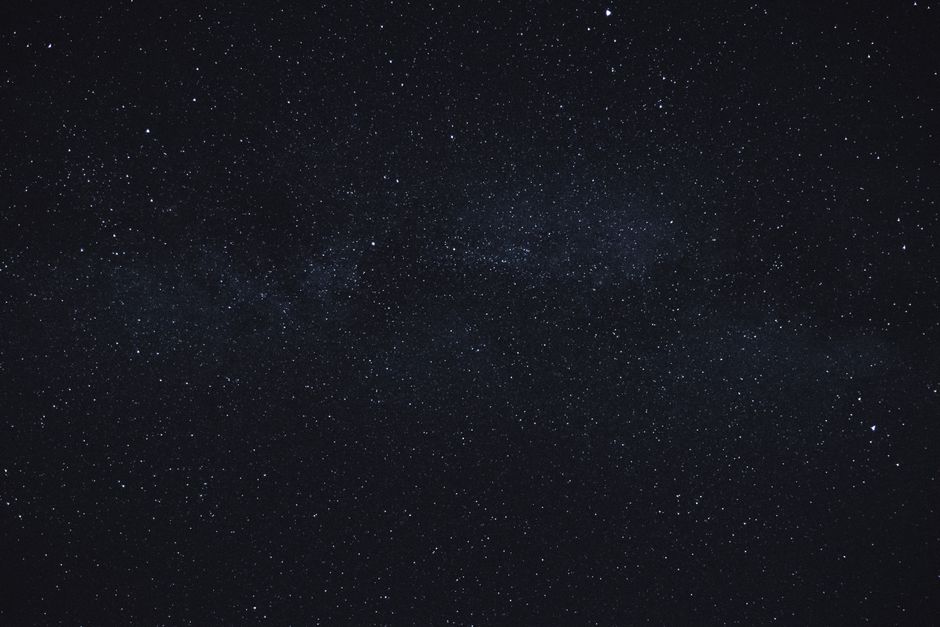
On a clear night, the stars seem to sparkle and shimmer, blinking on and off like tiny fairy lights in the sky. Lots of people think that twinkle is the star itself flickering or flashing — but is that really what’s happening? Let’s bust some star myths and find out the dazzling truth!
Let’s Test What People Believe
So What’s Actually True?
Starlight travels across space for years and years in a perfectly straight line. But in its very last moment, it has to pass through the thick blanket of air wrapped around our planet. That air is always moving — warm pockets, cool pockets, and breezy gusts all swirling together. Each pocket bends the light a tiny bit in a different direction, like looking at a coin at the bottom of a wiggling pool. As the light zig-zags this way and that, the star seems to dance, shimmer, and twinkle. The fancy name scientists use for this is stellar scintillation.
What Actually Is a Star?
A star is a gigantic ball of super-hot, glowing gas — mostly a light gas called hydrogen. Deep in the middle, it’s so hot and squeezed that it makes its own energy and shines with its own light. The closest star to us is one you see every day: our very own Sun! Other stars look like tiny pin-pricks only because they are unbelievably far away — so far that their light travels for years and years across space before it finally reaches your eyes.
📖 Big Word: Scintillation
The proper science word for twinkling. Say it like sin-till-AY-shun — it means starlight wobbling as it passes through moving air.
Star or Planet? Spot the Difference
Here’s a fun night-sky game. Because a star is a tiny point of light, the wiggly air makes it twinkle. A planet, though, is close enough to look like a teeny disc, so its light stays steady and calm. Planets don’t even make their own light — they simply reflect the Sun’s. So if you spot a bright dot shining with a smooth, still glow, you might be looking at Venus, Jupiter, or reddish Mars, not a star at all!
Why Stars Sometimes Flash Colours
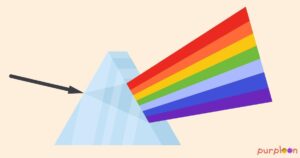
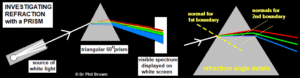
Look carefully at a bright star low in the sky and you might catch it flickering red, blue, and green! When starlight passes through all that thick, wiggly air near the horizon, the air can split the white light into its rainbow colours, just like a tiny prism. The dazzling star Sirius — the brightest star in our night sky — is famous for this colourful sparkle.
🔭 Try This: Be a Star-Gazer
On the next clear night, find a twinkly star and a steady bright dot. Is the calm one a planet? Then compare a star low on the horizon with one high overhead — which twinkles more?
🌟 Did You Know?
Stars twinkle the most when they sit low near the horizon, because their light has to travel through even more wiggly air to reach your eyes. Stars high overhead twinkle far less!
🤔 Fact or Fib? — tap your guess!
The twinkle comes from Earth’s moving air, not from the star itself.
Planets twinkle even more than stars do.
Out in space, stars shine without twinkling.
Frequently Asked Questions
Q: Why do stars twinkle?
Earth’s moving air bends their light on its way to your eyes, making the star seem to shimmer. The star itself shines steadily.
Q: Do planets twinkle too?
Hardly at all — planets look like tiny discs instead of points, so their light stays steady.
Q: Do stars twinkle in space?
No. Above our air, astronauts see stars shining calm and steady, with no twinkle.
Q: What is a star made of?
Mostly hot, glowing hydrogen gas — our Sun is the closest example.
Q: Why do some stars twinkle more than others?
Stars low near the horizon twinkle most, because their light travels through more wiggly air to reach you.
📚 Where we learned this (for curious grown-ups):
• NASA StarChild — Why Do Stars Twinkle?
• Britannica — Why Do Stars Twinkle?
• ESA Space for Kids — Stars
Now You Know!
The next time you watch the stars dance and shimmer, remember the secret: that twinkle isn’t the star at all — it’s a little light show made by the moving air right here on Earth. The stars are shining calm and steady, sending their light across the whole galaxy just for you to enjoy.