One morning, a little girl named Mia stomped into the kitchen with her arms crossed tight. Her tummy felt hot and her words came out in a growl. Her dad knelt down and asked softly, “Which animal is visiting you right now?” Mia thought hard, then whispered, “A roaring lion.” And just like that, the big scary feeling had a name — and it felt a little less scary.
What Is a “Feelings Animal”?
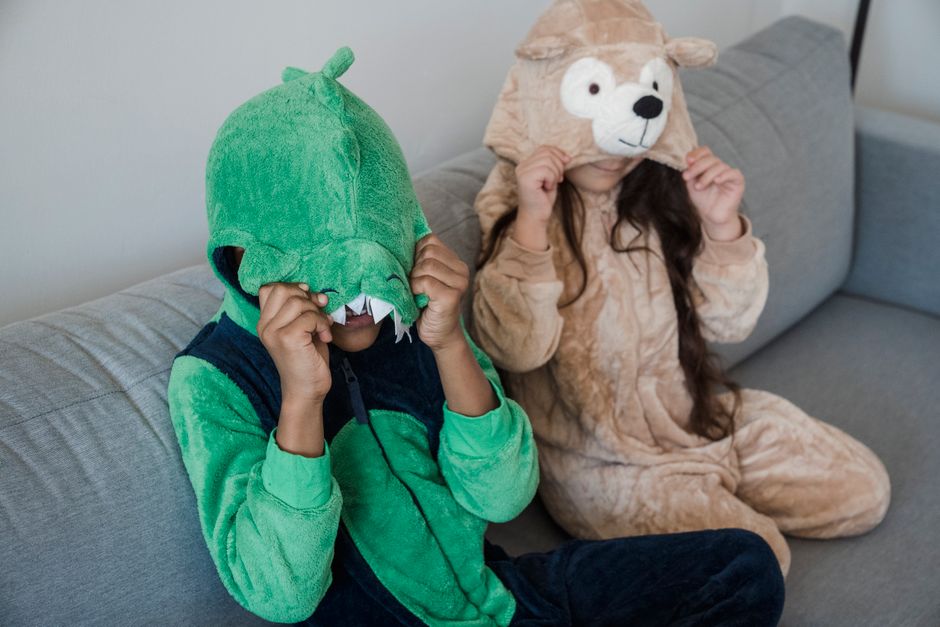
A feelings animal is a fun, gentle way for young children to name what is happening inside them. Instead of trying to say a tricky word like “frustrated,” a child can point to an animal that feels the way they feel. Big feelings are easier to talk about when they look like a friendly creature.
A roaring lion might be anger. A quiet turtle, tucked deep in its shell, might be shy or sad. A bouncy puppy could be pure happiness, and a flippy-floppy butterfly in the tummy might mean nervous or excited. There are no wrong answers — the animal belongs to the child.
Why Naming a Feeling Helps
Here is the lovely part. When we give a feeling a name, the thinking part of the brain wakes up and the stormy part begins to calm down. Scientists who study children have a sweet phrase for this: “name it to tame it.” A feeling we can name is a feeling we can begin to understand.
For a four- or five-year-old, the word “angry” can feel huge and confusing. But “my lion is roaring” feels playful and safe. The child isn’t the problem, and the feeling isn’t bad — it’s simply an animal that has come to visit and will soon wander off again.
📖 Big Word: Emotion
An emotion is a feeling inside you, like happy, sad, scared, or excited. Everybody has them — even grown-ups and animals!
How to Play It Together
You don’t need anything special to begin. When a feeling bubbles up, simply ask, “Which animal is with you right now?” Let your child choose and describe it. Is the lion roaring loudly, or just grumbling? Is the turtle peeking out yet? Talking about the animal lets the feeling soften, all on its own.
You can even ask what the animal needs. A roaring lion might need a few deep breaths or a quiet corner. A hiding turtle might want a gentle hug. A bouncing puppy might need to run and wiggle. Little by little, your child learns that every feeling passes, and that they can be kind to themselves while it does.
The Science Behind “Name It to Tame It”
Why does naming a feeling work such magic? Deep inside the brain sits a tiny alarm bell called the amygdala. When a big feeling strikes, it blares away — and while it’s blaring, the calm, sensible “thinking” part of the brain (up behind the forehead) goes quiet. Here’s the clever bit: the moment a child puts the feeling into words — even just “my lion is roaring” — the thinking brain switches back on and gently turns the alarm’s volume down. Scientists have actually watched this happen on brain scans. So naming a feeling isn’t only comforting — it really does calm the brain.
📖 Big Word: Amygdala
Say it “uh-MIG-duh-luh.” It’s a tiny almond-shaped part of the brain that works like an alarm bell for big feelings such as fear and anger. Naming a feeling helps quiet it down.
Growing a Bigger Feelings Vocabulary
The more feeling-words a child knows, the better they can handle those feelings — it’s like having more animals in their zoo to choose from! Children aren’t born knowing how to name emotions; they learn it from us. You can help the collection grow:
- 📖 Read stories together and pause to ask, “How do you think she’s feeling right now?”
- 😊 Use a feelings chart with different faces to point to.
- 🗣️ Name your own feelings out loud: “I’m feeling frustrated, so I’m going to take three deep breaths.” Children learn emotions best by watching grown-ups name theirs.
A Toolbox for Every Feelings Animal
Once a feeling has a name, it helps to have a few calming tools ready. Remind your child that all feelings are okay, even if some actions aren’t (a lion can roar, but it mustn’t bite!). Try these:
- 🌸 Flower-and-candle breathing: breathe in to “smell the flower,” out to “blow the candle.”
- 🔢 Count slowly to five, or find a cosy calm-down corner.
- 🤸 Wiggle or stretch the big feeling out, or ask for a hug.
And the secret ingredient is you: children “borrow” a grown-up’s calm, mirroring your steady voice and slow breathing until their own storm passes. (Scientists call this co-regulation.) If big feelings often feel too big to manage, a doctor or school counsellor can help.
🌟 Did You Know?
Animals have feelings too! Dogs wag their tails when they are happy, and an elephant will comfort a friend who is upset by gently touching it with its trunk.
Frequently Asked Questions
Q: What is a “feelings animal”?
It’s a playful way for a child to name what they feel by picking an animal that feels the same — a roaring lion for anger, a hiding turtle for shy or sad, a bouncy puppy for happy.
Q: Why does naming a feeling help?
Putting a feeling into words wakes up the brain’s thinking part and quiets its alarm bell (the amygdala), so the big feeling starts to calm down. It’s called “name it to tame it.”
Q: How can I teach my child more feeling words?
Read stories and name characters’ feelings, use a feelings chart with faces, and name your own emotions out loud — children learn best by watching you.
Q: What can my child do when a feeling is big?
Try slow “flower and candle” breathing, counting to five, a calm-down corner, a wiggle, or a hug. All feelings are okay, even if some actions aren’t.
Q: What is co-regulation?
When a calm grown-up helps a child settle. Kids mirror your calm voice and breathing, so staying relaxed helps their storm pass more quickly.
📚 Where we learned this (for curious grown-ups):
• Child Mind Institute — What Is Co-Regulation?
• AAP HealthyChildren.org — Helping Kids Cope With Big Feelings
• ZERO TO THREE — How Parents’ Calm Helps Children
The Big Idea
Feelings are not good or bad — they are messages, like animal friends popping by to tell us something. When a child learns to spot their feelings animal, they take a giant step toward understanding their own heart. And a child who can name a feeling today grows into a kind, calm, and caring person tomorrow.