Have you ever noticed that your backyard is full of secrets? Right outside your door, tiny bugs are marching, leaves are dancing, and clouds are floating by — all waiting for you to spot them!
You don’t need to go far to be an explorer. A “discovery walk” means you walk slowly and look really carefully at the little things. Let’s try some fun ones together!
The Tiny Bug Walk
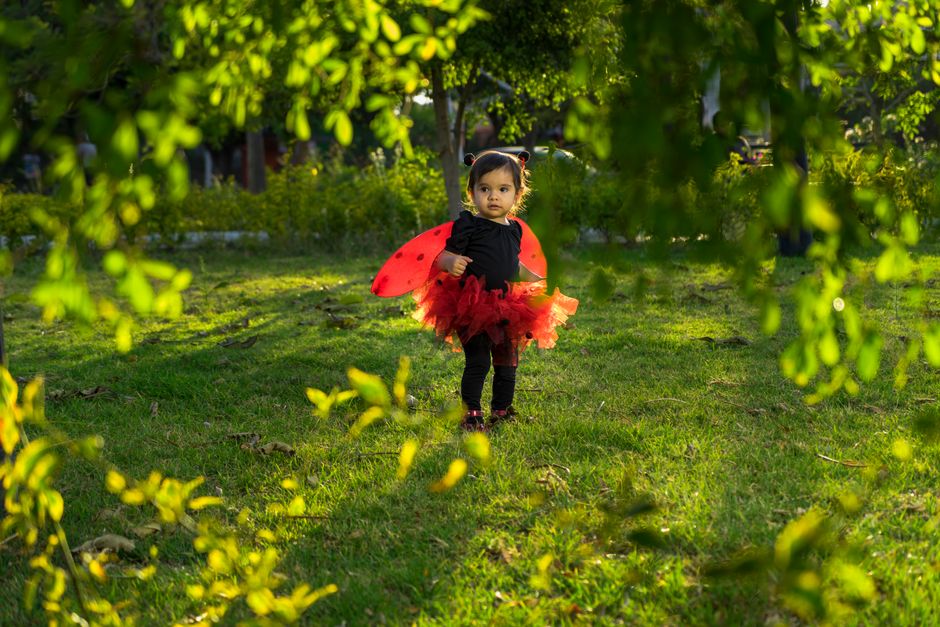
Get down low, like a frog! Look under leaves and near flowers. Can you find an ant carrying a crumb? A ladybug with shiny spots? Count how many tiny legs you can see crawling around.
🌟 Did You Know?
An ant can lift things much heavier than its own body — like you lifting a car over your head!
The Listening Walk
This time, use your ears instead of your eyes! Close your eyes for a moment. Do you hear a bird singing? The wind in the trees? A buzzing bee? Sounds are everywhere when we stop to listen.
The Colour Hunt Walk
Pick a colour, like red or yellow, and try to find it everywhere outside. A red flower, a yellow leaf, a green bug! Nature is like a giant box of crayons.
🧪 Try This at Home
Take a paper bag on your walk and collect treasures you find on the ground — a smooth pebble, a feather, a pretty leaf. Make your own nature box!
The Sky Walk
Lie on your back on the grass and look up! What shapes do you see in the clouds? A bunny? A boat? An ice cream cone? Clouds are always changing, so the show never ends.
Three More Walks to Try
Once you’ve mastered the first four, here are three more ways to explore:
🖐️ The Texture Touch Walk. Use your fingertips! Feel the rough bark of a tree, a smooth cool pebble, a soft fuzzy leaf, and the tickly grass. How many different textures can you find?
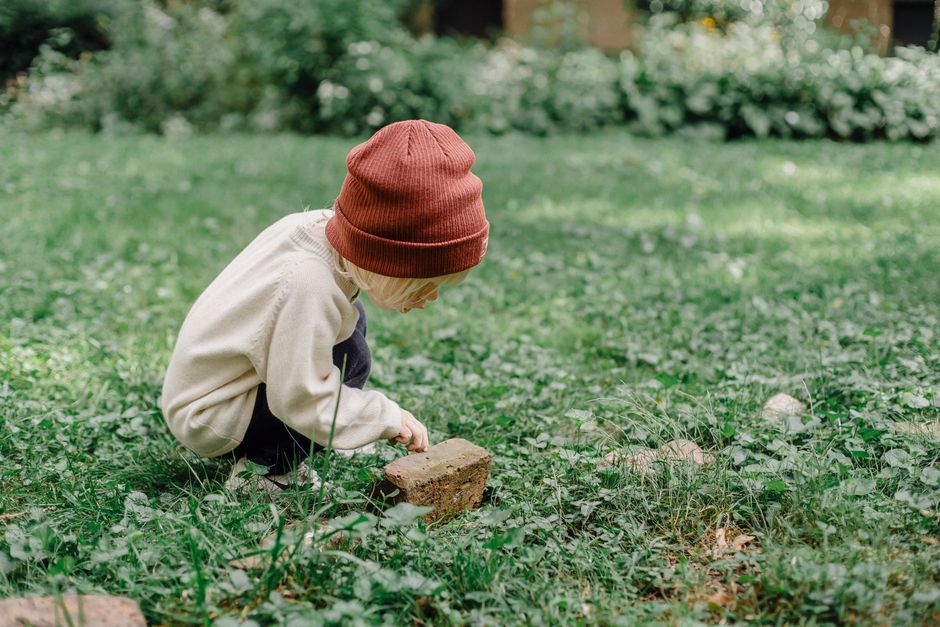
🐛 The Minibeast Hunt. Gently turn over a rock or a fallen log (then put it back!). Underneath is a whole hidden town — wriggly worms, curled-up woodlice, and shiny beetles all live in the cool, damp dark.
👃 The Smell Walk. Sniff, sniff! Fresh-cut grass, a sweet flower, damp soil after rain — the outdoors has its own special smells for every season.
🎒 Pack Your Explorer Kit
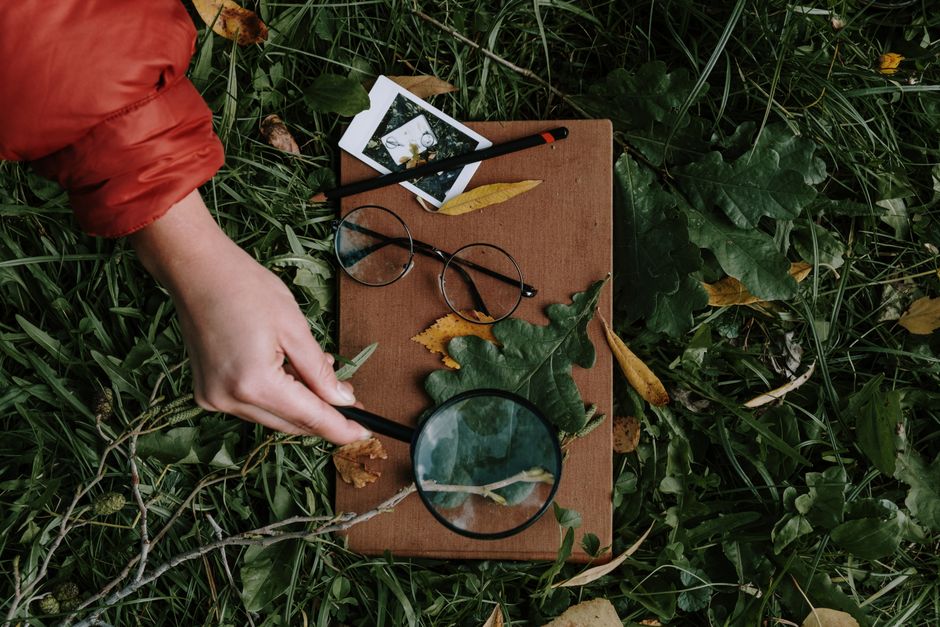
A magnifying glass for close-ups, a notebook and pencil to draw what you find, a paper bag for treasures, and a wax crayon to make bark and leaf rubbings. Now you’re a real field scientist!
Fun Facts to Spot Along the Way
Keep your eyes peeled for these amazing creatures:
- Earthworms have no eyes — but they can still sense light and dark through their skin, which is why they hide when you lift their rock.
- A snail carries its home on its back everywhere it goes, tucking inside its shell to stay safe and damp.
- Birds sing loudest at dawn. That early-morning burst of birdsong even has a name: the “dawn chorus.”
Why Discovery Walks Are So Good for You
Slowing down to explore isn’t just fun — it’s brilliant for you, too. Spending time in nature helps children feel calmer and happier, boosts curiosity and imagination, and even sharpens attention and memory. Plus, all that crouching, reaching, and wandering is great exercise for growing bodies. So every discovery walk makes you a little bit healthier and a little bit wiser!
🔍 Tap to Reveal!
Frequently Asked Questions
Q: What is a discovery walk?
A slow, careful walk where you look, listen, and explore the little wonders close to home — no far-off trip needed.
Q: What should I bring?
A magnifying glass, a notebook, a paper bag for treasures, and a curious mind! A grown-up too.
Q: Is it okay to touch the bugs?
It’s best to look, not squish — watch gently, then wash your hands afterwards. Little creatures are happiest left where they live.
Q: When is the best time to go?
Any time! Early morning is great for birdsong, and just after rain is perfect for spotting worms and snails.
Q: What if it’s raining?
Pop on boots and a coat — puddles, raindrops, and shiny snails make rainy walks extra magical.
📚 Where we learned this (for curious grown-ups):
• HealthyChildren.org (AAP) — Playing Outside: Why It’s Important
• National Geographic — Bring Out the Explorer in Your Kid
• Woodland Trust — Nature Activities for Kids
Keep Exploring!
Your backyard is a brand-new adventure every single day. Slow down, look closely, and listen carefully — you’ll be amazed at what you can discover. Happy exploring, little scientist!