The first “big” year of school feels like a giant doorway — and when a six-year-old is about to step through it, parents hear all sorts of advice. Some of it is helpful. A lot of it is worry dressed up as fact. Let’s gently bust three of the most common myths about preparing your child for the big school shift, so you can walk through that doorway feeling calm and ready.
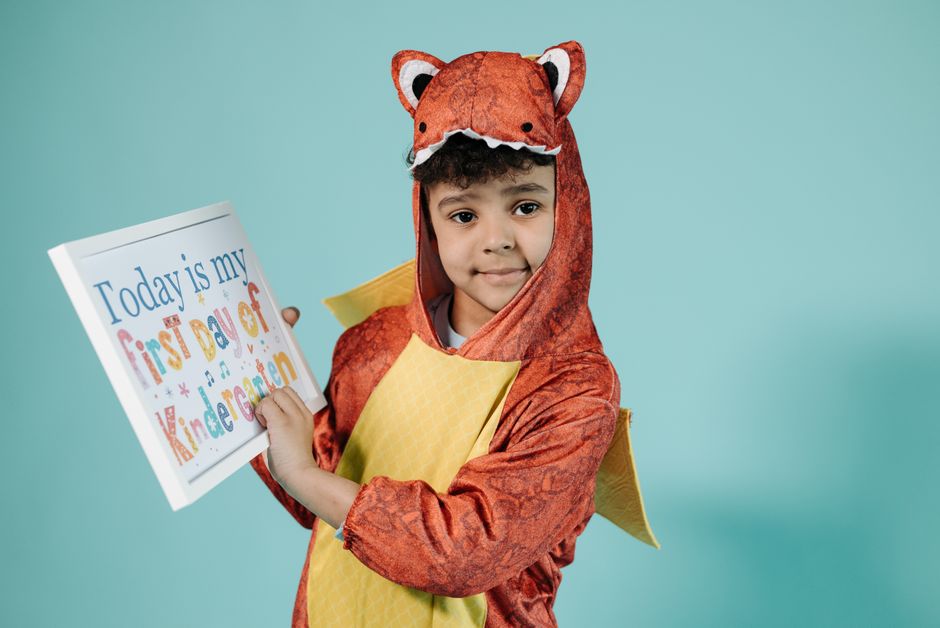
Myth #1: They Need to Read Before They Start
Myth #2: A Few Tears Means Something Is Wrong
Myth #3: Getting Ready Means Doing Worksheets
🌟 Did You Know?
Children settle faster when they can picture what’s coming. Walking past the school, reading a story about starting school, or practising the morning routine can shrink the unknown down to something friendly.
So What’s Actually True?
Being “ready” for school has very little to do with academics and almost everything to do with feelings and independence. A child who feels safe, can manage small tasks alone, and trusts that grown-ups will help is a child who is ready to learn. Your calm matters too — children borrow their feelings from the adults around them. If you treat the big shift as an exciting adventure rather than a worry, your six-year-old is far more likely to do the same.
What “School Ready” Really Means
Being ready for the big school shift is about far more than knowing the ABCs. Experts say the biggest ingredients are:
- 💛 Social & emotional skills — sharing, taking turns, managing big feelings, and saying goodbye to a grown-up.
- 🧦 Self-help skills — getting dressed, using the toilet, eating, and tidying up on their own.
- 👂 Language & listening — following simple instructions, chatting, and loving stories.
- 💪 A can-do attitude — being willing to try new things and to ask for help.
The letters and numbers come last, not first. In fact, many teachers value a child’s ability to manage their own feelings (called self-regulation) even more than knowing letters or numbers!
📖 Big Word: Transition
Say it “tran-ZISH-un.” It means a big change from one thing to another — like moving from home or nursery into big school. Transitions feel much easier with a little practice and warning beforehand.
Gentle Ways to Get Ready (No Worksheets Needed!)
- Practise the routine — pack the bag together, try on the uniform, walk past the school, and rehearse a quick, cheerful goodbye.
- Grow independence — let them dress themselves, open their own snacks, and clear their own plate.
- Read together every day and chat about what happened in their day.
- Talk it up — share books about starting school, answer questions honestly, and tell your own happy school memories.
- Ease into sleep and morning routines about two weeks ahead, so early mornings don’t come as a shock.
The First Few Weeks: What to Expect
Here’s some reassurance for the early days: it’s completely normal for a child to come home extra tired, hungry, or emotional in the first few weeks. Big new days use up SO much energy! Keep after-school time calm and cosy, offer a snack, and try not to over-schedule. Most children settle happily within a few weeks. Keep chatting with the teacher, trust the process, and enjoy watching your little one learn to fly.
🤔 Fact or Fib? — tap your guess!
Crying at drop-off usually means a child isn’t ready for school.
Being able to put on a coat and open a lunchbox really helps at school.
A child must be able to read full books before their first big school year.
Frequently Asked Questions
Q: Does my child need to read before starting school?
No — teachers expect to teach reading. Loving stories, knowing a few letter sounds, and holding a pencil is plenty.
Q: What really makes a child “ready” for school?
Mostly feelings and independence: managing emotions, taking turns, dressing and toileting alone, and trusting grown-ups to help.
Q: My child cries at drop-off — is that a bad sign?
Not at all. Wobbly goodbyes are normal, even for confident kids. A short, cheerful, predictable goodbye helps most.
Q: How can I prepare without worksheets?
Practise the routine, grow everyday independence, read together, talk positively about school, and ease into sleep schedules early.
Q: Why is my child so tired after school at first?
Big new days take huge energy! Extra tiredness, hunger, or emotions in the first weeks are normal — keep after-school time calm.
📚 Where we learned this (for curious grown-ups):
• HealthyChildren.org (AAP) — Is Your Child Ready for School?
• NAEYC — Transitioning to Kindergarten
• PBS NewsHour — Helping Your New Kindergartener Feel at Ease
Reading confidently is one of the best ways to ease that transition — see our picks for the best books for 6-year-olds starting their reading journey to build that pre-school reading habit.
Now You Know!
Preparing for the big school shift isn’t about cramming letters or chasing away every tear. It’s about building little pockets of independence, keeping goodbyes warm and quick, and showing your child that this new chapter is something to look forward to. Trust your child, trust the teachers — and enjoy watching them grow.