Here’s a little secret about five-year-olds: they are usually far more capable than we expect. When we slow down and let them try, those small hands can do real, useful jobs — and every time they succeed, their confidence grows a little taller. Here are five everyday things most five-year-olds can learn to do all on their own, grouped by where they happen in the day.

Getting Ready On Their Own
1. Getting dressed
Pulling on a t-shirt, stepping into trousers and managing big buttons or a zip are all within reach at this age. Lay clothes out the night before and let them choose between two outfits — the practice builds finger strength and a wonderful sense of “I did it myself.”
2. Putting on shoes and a coat
Velcro shoes and a coat using the “flip trick” (laying the coat on the floor, hood at their feet, then flipping it over their head) let a five-year-old leave the house under their own steam. It takes a few extra minutes at first — but soon it’s faster than you doing it for them.
Helping in the Kitchen
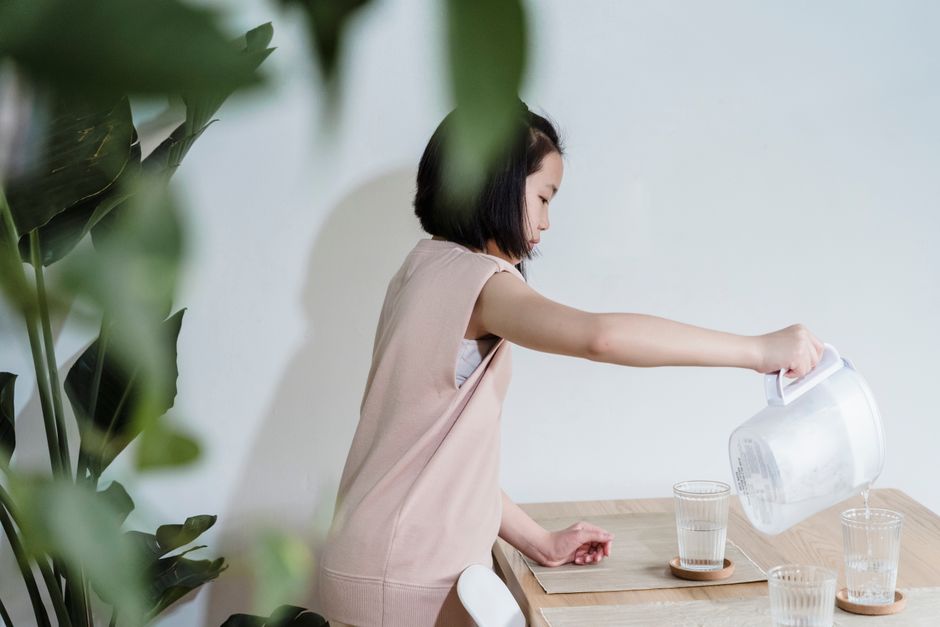
3. Pouring a drink and fixing a simple snack
Start with a small jug half-full of water so spills stay tiny. Many five-year-olds can also spread butter, peel a banana, or arrange crackers and fruit on a plate. These jobs sharpen hand control and let them feel like a real helper at mealtimes.
🧪 Try This at Home
Give your child a “snack station” on a low shelf — a small jug, a plastic cup and some easy fruit. Letting them serve themselves turns waiting for snack into a proud little ritual.
Caring for Their Space & Themselves
4. Tidying up their toys
Five-year-olds can sort toys back into labelled bins, especially if you make it a game (“Can you find everything that’s red?”). Tidying teaches responsibility and a little real-world sorting practice — and it shows them that finishing a job feels good.
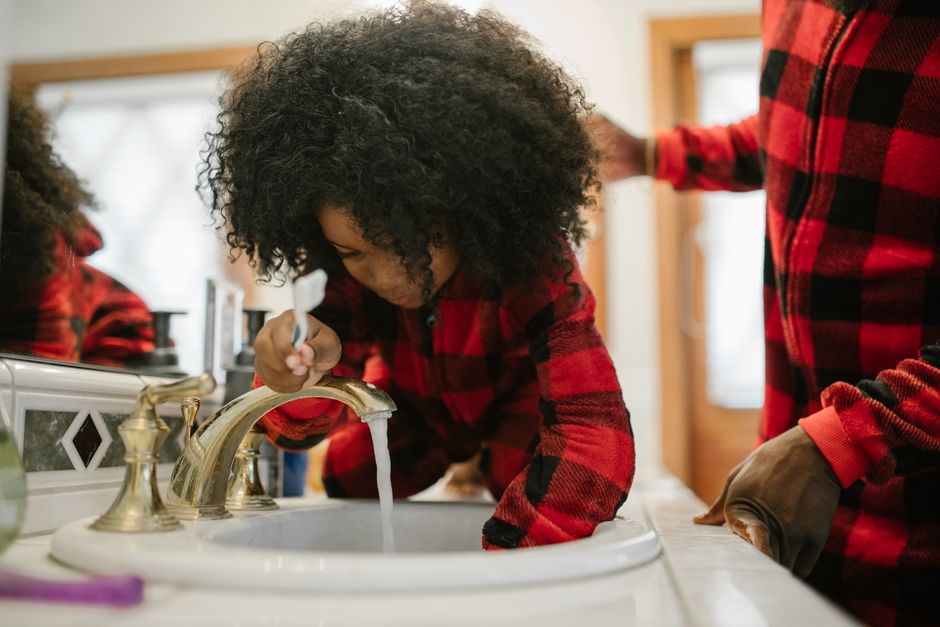
5. Brushing teeth and washing hands
With a gentle reminder of the steps — wet, soap, scrub while singing a short song, rinse, dry — a five-year-old can handle hand-washing and most of their own tooth-brushing. A quick grown-up check at the end keeps everything healthy while they do the work.
🌟 Did You Know?
When children do tasks themselves, their brains build stronger “I can handle this” pathways. Each small success makes the next new challenge feel less scary — that’s how confidence is built, one job at a time.
The Science of Letting Them Try
Every time a child manages a real job on their own, something powerful happens inside: they build self-efficacy — the deep-down belief “I can do this.” Those everyday tasks also strengthen executive-function skills like planning, remembering the steps, and sticking with something until it’s finished — plus the small-muscle control in their hands. Best of all, each little success makes the next challenge feel less scary. So getting dressed or pouring a drink isn’t just helpful around the house — it’s genuinely brain-building.
📖 Big Word: Self-Efficacy
Say it “self-EFF-ih-kuh-see.” It’s your belief that you can do a task and handle a challenge. Every small win a child earns makes their self-efficacy a little bigger.
How to Help Without Taking Over
Child experts call the secret scaffolding — give just enough support, then slowly step back, like removing the training wheels a little at a time. Try this:
- 👀 Show it once, then let them try the next one themselves.
- ❓ Ask, don’t do: instead of stepping in, ask “what comes next?” and give a small clue.
- ⏳ Allow extra time and let safe little mistakes happen — a spill or shoes on the wrong feet is where the learning lives.
- 💛 Praise the effort, not just the result: “You worked so hard zipping that up!” keeps them trying.
Stepping back also teaches a wonderful skill: how to push through a little frustration and come out proud.
More “I Can Do It” Jobs
Ready for more? Beyond the five above, most five-year-olds can also carry their own plate, feed a pet, water a plant, match up socks, and help set the table. As they grow toward six and seven, they can pack their own school bag, make a simple breakfast, and start learning to tie their laces. Pick jobs that fit your child, keep them safe, and cheer every wobbly try — small responsibilities today grow into big confidence tomorrow.
🤔 Fact or Fib? — tap your guess!
Letting a child do a task slowly themselves is better practice than doing it quickly for them.
Five-year-olds are too young to ever help prepare a snack.
Doing little jobs helps a child’s confidence grow.
Frequently Asked Questions
Q: Why should I let my 5-year-old do things themselves?
Doing real tasks builds self-efficacy (the “I can do it” belief), strengthens planning and hand skills, and grows confidence — each small success makes the next challenge feel easier.
Q: What can most five-year-olds do on their own?
Getting dressed, putting on shoes and a coat, pouring a drink and fixing a simple snack, tidying toys, and washing hands and brushing teeth (with a quick grown-up check).
Q: How do I help without just doing it for them?
Use “scaffolding”: show it once, then ask “what comes next?” and give a clue instead of taking over, slowly stepping back as they get it.
Q: Isn’t it faster to do it myself?
In the moment, yes — but giving them time to figure it out means they’ll soon do it alone, and they learn to power through frustration along the way.
Q: How should I praise them?
Praise the effort, not just the result — “you worked so hard on that!” — which keeps children motivated to keep trying.
📚 Where we learned this (for curious grown-ups):
• Child Mind Institute — How to Build Independence in Preschoolers
• AAP HealthyChildren.org — Age-Appropriate Chores
• Child Mind Institute — Raising Confident, Independent Children
Your Turn!
Pick just one job from this list to hand over this week, and try to wait patiently while little hands figure it out. The wobbly first tries are exactly where the learning lives — and the proud grin when they finally manage it alone is worth every extra minute.