At the edge of the playground, little Sam watched the other children clamber up the climbing frame. He wanted to join in — you could see it in his eyes — but his feet stayed planted. His mum didn’t rush him. She simply crouched beside him and whispered, “Shall we just touch the first bar together?” And that was enough.
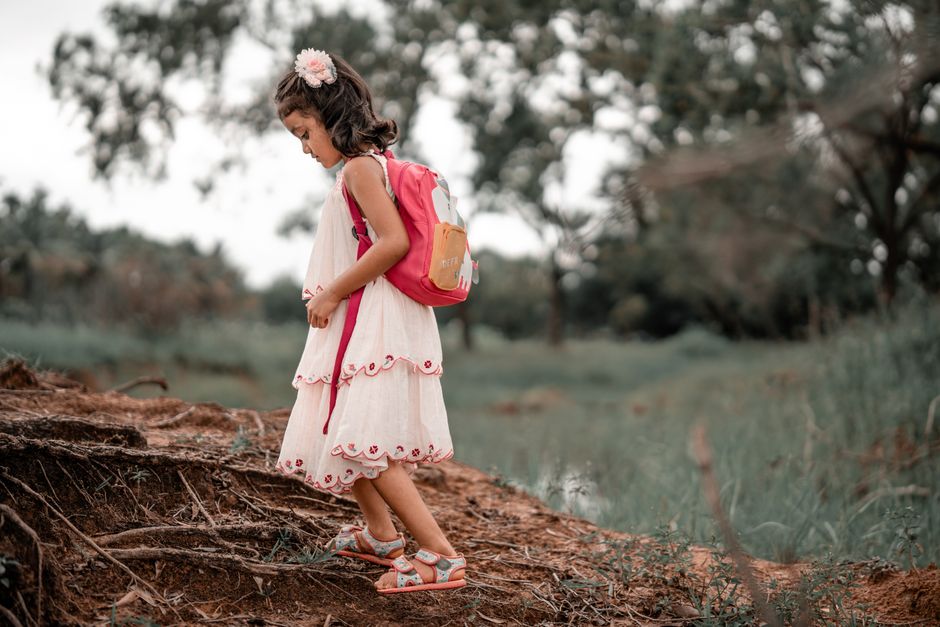
When “Careful” Is Just Their Way
Some children leap before they look. Others, like Sam, watch from the side first — checking, weighing, making quite sure the world is safe before they step in. This careful, cautious nature isn’t shyness to be fixed, and it certainly isn’t a lack of curiosity. In fact, cautious children are often deeply curious. They simply need to feel safe before that curiosity can bloom.
📖 Big Word: Curiosity
The happy itch to explore, ask questions, and find out how things work. Every child has it — some just need a little more comfort before they let it loose.
Safety First, Then Bravery
Think of a cautious child as someone who needs a sturdy launch pad before they’ll take off. When a grown-up stays close, stays calm, and lets them set the pace, the child borrows that calm. They learn, slowly, that trying something new rarely ends in disaster — and that even if it goes wobbly, you’ll still be right there.
This is why gentle nudges work far better than big pushes. “Let’s look at it together” opens a door. “Don’t be such a baby” slams it shut. Each tiny success — touching the bar, sniffing the strange flower, saying hello to the new dog — becomes a brick in their growing confidence.
🌟 Did You Know?
Children often feel braver when they’re the ones in charge of the “how.” Asking “Where should we start?” hands them the steering wheel — and a sense of control melts away a surprising amount of worry.
Little Ways to Open the Door
You don’t need grand adventures. Curiosity grows in the smallest moments: wondering aloud together (“I wonder what’s under that log?”), letting them watch before they join, and celebrating the trying rather than only the doing. When you yourself show delight in new things, your child sees that the world is more exciting than it is scary.
And when they do hang back? Let them. Pushed too hard, a cautious child digs in. Given time and a warm hand to hold, that same child will, in their own moment, let go and explore — often more thoroughly than the leapers ever did.
Cautious Is a Temperament, Not a Flaw
Every child is born with their own temperament — the natural style they come wired with. Some children dive straight into anything new, while others are “slow to warm up”: they like to watch, check, and get comfortable before they join in, and they adapt at their own gentle pace. This is a completely normal, healthy way to be — not shyness that needs fixing. The kindest thing a grown-up can do isn’t to change the child, but to gently match their care to the child they have.
📖 Big Word: Temperament
Say it “TEM-pruh-ment.” It’s the personality style a child is born with — some are bold and busy, some easygoing, and some careful and watchful. None is better than another; they’re just different.
The “Safe Base” That Powers Exploring
Here’s a beautiful thing researchers have found about how children explore. When a child feels sure that a calm, loving grown-up is nearby — a “secure base” — they feel brave enough to venture out, try new things, and then dash back for a hug to “refuel” before setting off again. The steadier and more reliable that base feels, the farther and more freely the child will roam. So simply being present, patient, and calm is the single most powerful way to help a cautious child’s curiosity grow.
Gentle Steps That Build Brave
Confidence grows one small, safe success at a time. Try these:
- Break it into tiny steps — “let’s just touch the first bar” is far easier than “climb to the top.”
- Let them watch first. Observing from the side isn’t hanging back — it’s how a cautious child learns.
- Hand over the “how.” Ask “Where shall we start?” so they feel in control.
- Name the feeling. “It feels new and a bit scary — that’s okay” helps big worries shrink.
- Show your own delight in new things — children borrow our excitement and our calm.
- Cheer the trying, not just the doing.
- Never rush or shame. Pushed too hard, a cautious child digs right in; given time, they let go on their own.
Frequently Asked Questions
Q: Is my cautious child just shy?
Not exactly — many cautious children are “slow to warm up.” They’re often deeply curious and simply need to feel safe before they explore.
Q: Should I push my child to be braver?
Gentle nudges work far better than big pushes. Pushing too hard usually makes a cautious child dig in; patience and small steps build real confidence.
Q: What is a “secure base”?
A calm, trusted grown-up whose presence makes a child feel safe enough to explore and then return to “refuel” before venturing out again.
Q: How do I help my child try new things?
Break it into tiny steps, let them watch first, give them some control over how, name the feeling, and celebrate the trying.
Q: Will my child grow out of being cautious?
Temperament tends to stay part of who they are — but with a safe, patient base, cautious children steadily grow braver and often explore very thoroughly.
📚 Where we learned this (for curious grown-ups):
• ZERO TO THREE — Children Who Are Slow to Warm Up
• HealthyChildren.org (AAP) — Understanding Your Child’s Temperament
• Greater Good (UC Berkeley) — Secure Attachment & the Secure Base
The Big Idea
Fostering curiosity in a cautious child isn’t about making them braver overnight. It’s about being the safe harbour they sail out from — patient, encouraging, never rushing. Stay close, follow their pace, and one quiet day you’ll watch them reach for that climbing frame all on their own.