What if you could make milk burst into swirling rainbows—without stirring, blowing, or shaking it at all? With one secret kitchen helper, ordinary milk turns into a spinning fireworks show of colour right before your eyes. Ready to be amazed? Let’s set up the lab!
🧪 What You Need
- A shallow plate or bowl
- Whole milk (full-fat works best)
- Food colouring (a few colours)
- Washing-up liquid (dish soap)
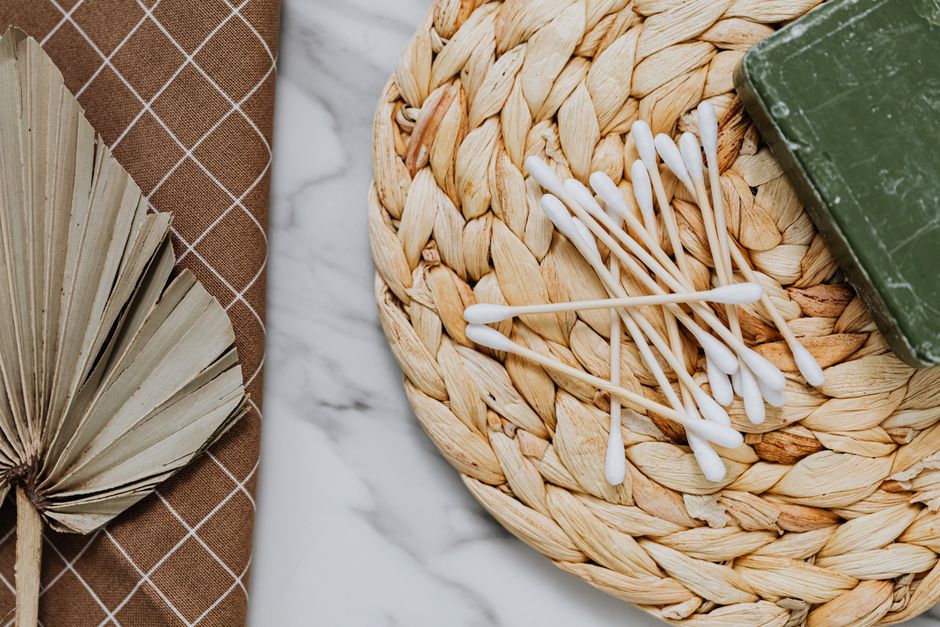
- A cotton bud (Q-tip)
- A grown-up helper
Let’s Build It — Step by Step
⚠️ Stay Safe
This milk is for looking, not drinking—soap belongs on dishes, not in tummies. Pour it away when you finish, and ask a grown-up before using the kitchen. Wash your hands at the end.
What’s Going On?
Milk is mostly water, but it also holds tiny drops of fat floating about. Normally those fat drops sit quietly and the colours just rest on top. Then the soap arrives—and soap is a troublemaker!
Soap loves to grab onto fat. The moment it touches the milk, it races around chasing all the fat drops, breaking them apart and pushing them out of the way. As the soap zooms outward, it shoves the food colouring along with it, making those wild swirling patterns. The colours keep moving until the soap has spread everywhere and finally calms down.
📖 Big Word: Surface Tension
The skin-like surface that forms on top of milk and water. Soap weakens this skin, and when it breaks, everything rushes away from the soapy spot.
🌟 Did You Know?
This is the very same reason soap cleans your greasy plates! Soap grabs the fat and oil and carries it off—your milk show is really a dish-washing superpower in action.
Meet the Two-Ended Soap Molecule
Here’s the real secret of the magic show. Soap is a super-clever molecule with two different ends: one end loves water, and the other end loves fat and grease. When the soap lands on the milk, its fat-loving ends grab onto the tiny fat drops while its water-loving ends stay in the water — tearing the fat apart and darting around like crazy. All that frantic zooming is exactly what shoves the food colouring into those beautiful swirling rainbows!
📖 Big Word: Molecule
Say it “MOL-uh-kyool.” It’s a tiny particle made of even tinier atoms joined together. A soap molecule has a special two-sided shape — one end loves water, the other loves grease!
Why the Colours Keep Dancing
Ever notice the fireworks don’t stop right away? That’s because the soap keeps finding new fat drops to chase, racing outward until it has spread all across the plate. This is why touching a fresh spot starts the whole show over again — you’re giving the soap a brand-new patch of untouched fat to attack! Only once the soap has mixed everywhere, with no fat left to grab, does the milk finally settle down and go still.
The Same Magic Cleans Your Dishes and Hands
This exact trick is why soap is a cleaning superstar! Grease and oil don’t mix with water, so plain water alone just can’t wash them off. But soap grabs the grease with its fat-loving end and lets the water carry it all away with its water-loving end. It’s the very same reason washing your hands with soap beats water alone — the soap lifts away the germs hiding in grease and oil, then rinses them right down the drain.
🔎 Try This: Make Pepper Run Away!
Sprinkle black pepper over a plate of plain water, then gently touch the middle with a soapy fingertip. Whoosh — the pepper zooms to the edges as the surface tension “runs away” from the soap. Same science, brand-new show!
🧠 Quick Quiz — tap an answer!
1. What does the soap chase after in the milk?
2. Why do we use full-fat milk instead of water?
Frequently Asked Questions
Q: Why do the colours swirl when I add soap?
Soap grabs the tiny fat drops in the milk and breaks the surface “skin,” darting around and dragging the food colouring into swirls.
Q: What is surface tension?
The thin, skin-like surface on top of milk or water. Soap weakens it, and when it breaks, everything rushes away from the soapy spot.
Q: Why does soap move the fat around?
Soap molecules have two ends — one loves water, one loves grease — so they chase and grab the fat drops while staying in the water.
Q: Why use full-fat milk?
More fat means more for the soap to chase, so the colours dance longer and wilder. Skimmed milk (less fat) gives a smaller show.
Q: How is this like washing dishes?
Exactly the same way — soap grabs grease with one end and water rinses it away with the other. That’s how soap cleans plates and hands!
📚 Where we learned this (for curious grown-ups):
• American Chemical Society — Colors on the Move
• Science Buddies — Make a Milk Rainbow
• Britannica — How Does Soap Work?
You Did It! 🎉
You turned a plate of plain milk into a swirling rainbow using nothing but soap and curiosity. Now change one thing and test it: what happens if you try skimmed milk, or warm milk instead of cold? Does the colour dance faster or slower? Every little change is a brand new experiment—keep exploring!