Bubbles look like pure magic—floating balls of shimmery rainbow that wobble through the air and then go pop! But bubbles are really a little science experiment you can hold in your hand. Let’s make our very own giant bubbles and find out what makes them so round and so shiny!
🧪 What You Need
- Water
- Dish soap
- A little sugar (or a drop of corn syrup)
- A cup or small bowl
- A spoon to stir
- A bubble wand or a clean pipe cleaner bent into a loop
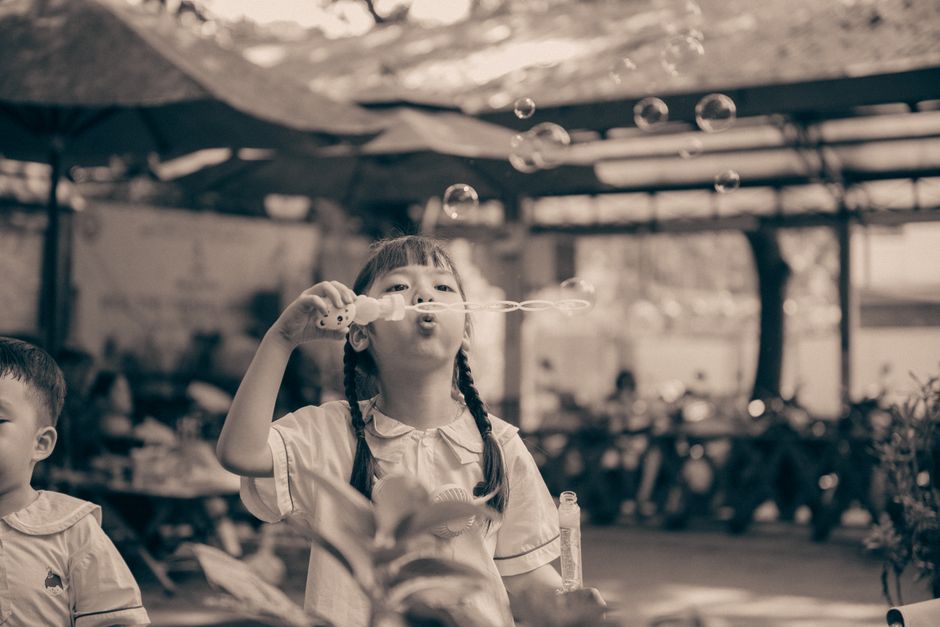
Let’s Make Bubbles!
⚠️ Stay Safe
Soapy water stings eyes and tastes yucky! Blow bubbles away from your face, never sip the mixture, and ask a grown-up to help. Wipe up spills fast—soapy floors are slippery.
What’s Going On?
A bubble is just a super-thin layer of soapy water wrapped around a puff of air. Plain water doesn’t make good bubbles, because water loves to pull itself into tight little drops. But when you add soap, the soap relaxes that pull and lets the water stretch out into a thin, bendy skin—thin enough to wrap around air!
And why is every bubble a ball and never a square? Because the soapy skin always squeezes itself as small and tidy as it can around the air inside—and the roundest, neatest shape of all is a sphere. The rainbow swirls you see are light bouncing off that wibbly-wobbly skin as it gets thinner and thinner. When it gets too thin… pop!
The Secret of Surface Tension
Water has a hidden superpower called surface tension. Tiny water droplets like to hold on to each other really tightly, especially at the very top — a bit like a crowd of friends all holding hands. That’s why a drop of water pulls itself into a neat little ball, and it’s even how some clever bugs, like pond skaters, can walk right across the top of a pond! Plain water holds on too tightly to stretch into a bubble. When you add soap, it gently loosens that grip, letting the water spread into a thin, wobbly skin.
📖 Big Word: Surface Tension
The way water pulls itself together at its surface, like an invisible stretchy skin. Soap makes it weaker so bubbles can form.
Where Do the Rainbow Colours Come From?
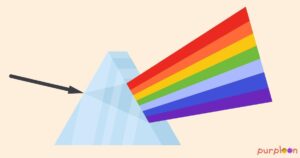
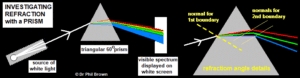
Here’s the really dazzling part. A bubble’s skin is unbelievably thin, and light bounces off both its outside and its inside at the same time. When those bouncing light waves overlap, they mix into swirling rainbow colours. As the skin slowly gets thinner and thinner, the colours drift and change — a tiny, moving painting made of light, right there in your hand!
Why Do Bubbles Pop?
Every bubble eventually goes pop! — and now you can be the expert on why. The water in the thin skin slowly dries into the air, so the skin gets thinner and thinner until it simply can’t hold together. It also pops if it touches something dry, like a finger or the grass. Here’s a magic trick to try: a dry finger pops a bubble instantly, but a wet, soapy finger can slide right inside without popping it at all!
🫧 Try This: Bubble Experiments
Bend a wand into a heart or a square — is the bubble still round? (It will be!) For giant bubbles, tie a loop of string between two straws, dip, and walk backwards slowly. Amazing!
🤯 Whoa, Really?!
Bubbles are SO thin that hundreds of bubble skins stacked together would still be thinner than one sheet of paper!
🧠 Quick Quiz — tap an answer!
1. What shape is a bubble always?
2. What do we add to help water make bubbles?
Frequently Asked Questions
Q: Why do we need soap to make bubbles?
Soap loosens water’s tight surface tension so it can stretch into a thin skin that wraps around air.
Q: Why is every bubble round?
The soapy skin squeezes into the smallest, tidiest shape it can — and that’s always a sphere (a ball).
Q: Where do the rainbow colours come from?
Light bouncing off the front and back of the super-thin skin mixes together to make swirling rainbow colours.
Q: Why do bubbles pop?
The thin water skin dries out or touches something dry, until it’s too thin to hold together.
Q: Does the wand’s shape change the bubble’s shape?
No — even a heart-shaped wand makes a round bubble, because a sphere is always the neatest shape.
📚 Where we learned this (for curious grown-ups):
• Exploratorium — Bubble Tray (surface tension)
• Exploratorium — Soap Film & Rainbow Colours
• Britannica — Surface Tension
You Did It!
You just made bubbles AND learned why they are round and shiny—you’re a real bubble scientist! Now try changing one thing: what if you use a bigger wand, or a wand shaped like a heart? Does the bubble change shape, or is it still a ball? Try it and see what you discover!