Here’s a little secret tucked inside that squishy tub of dough: every time small hands pinch, roll, and squeeze it, they are quietly building the tiny muscles that will one day hold a pencil, do up a button, and snip with scissors. Playdough isn’t just play — it’s a gentle gym for little fingers.
Below are simple activities you can set up in minutes with dough you already have. Grab a ball of it and let’s get those hands strong!
💪 Squeeze & Squish: Building Hand Strength
1. The Big Squeeze
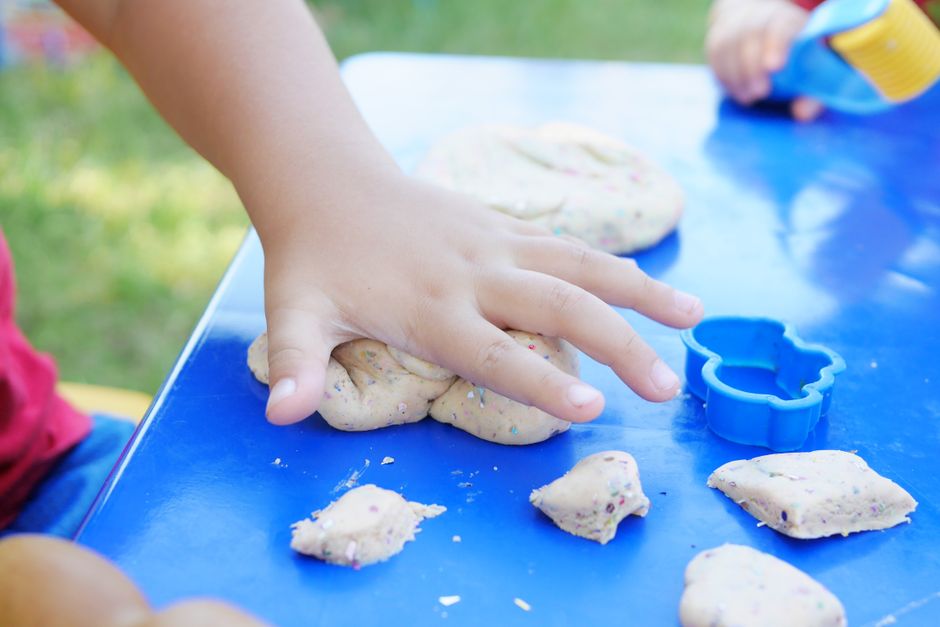
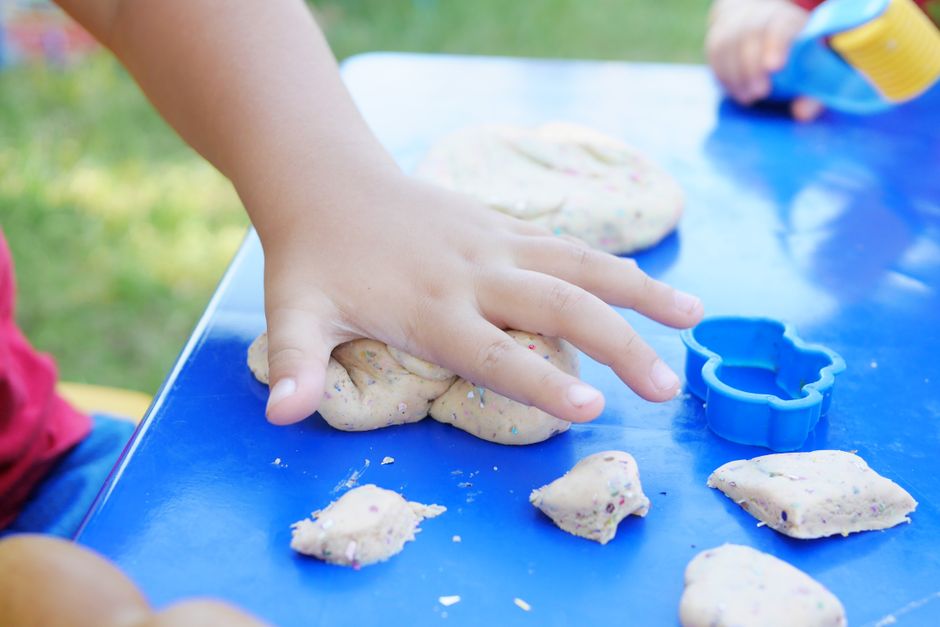
Give your child a fat ball of dough and ask them to squash it flat with two hands, then with just one. That whole-hand grip strengthens the same muscles used for gripping a crayon.
2. Hide-the-Treasure
Bury a few beads or buttons deep inside a dough ball and let your child dig them out with their fingers. Pinching and pulling builds real finger power.
3. Snake Rolls
Roll the dough into long, thin snakes using flat palms. The back-and-forth rolling motion is wonderful for coordinating both hands together.
✌️ Pinch & Poke: Tiny-Finger Control
4. Pinch-Pot Pinches
Show your child how to pinch the edges of a small dough bowl, again and again, all the way around. Those little pinches train the exact thumb-and-finger grip used to hold a pencil.
5. Poke a Hedgehog
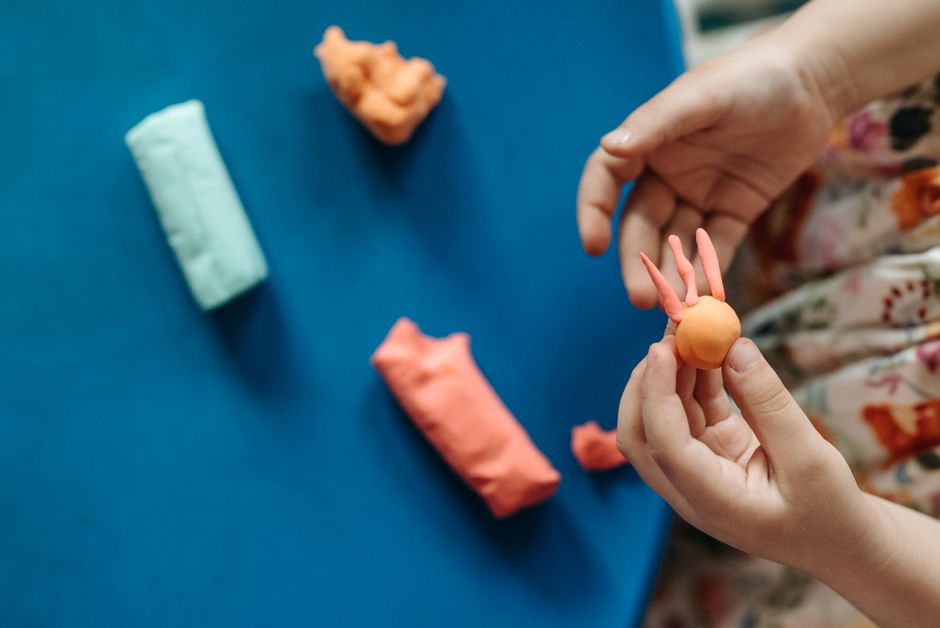
Make a dough ball, then push dry spaghetti or toothpicks in as “spikes.” Poking each one in takes careful aim and a steady hand.
6. Fingertip Footprints
Press each fingertip into a flat dough pancake to leave little dents. Try one finger at a time — trickier than it looks, and great for finger control!
✂️ Tools & Twists: Getting Ready to Write
7. Safe-Scissor Snips
Roll a dough snake and let your child snip it into pieces with child-safe scissors. Dough is softer than paper, so it’s a kind first step toward cutting skills.
8. Cookie-Cutter Press
Pressing shape cutters down and wiggling them free builds steady, even pressure from both hands.
9. Roll, Stamp, Repeat
Use a small rolling pin to flatten the dough, then stamp it with forks, lids, or textured toys. Rolling strengthens wrists and shoulders — the “big” muscles that support neat handwriting later.
🧪 Try This at Home
No dough left? Make a quick batch by mixing 2 cups flour, 1 cup salt, and a little warm water until it’s soft and stretchy. Knead it together — that mixing is fine-motor exercise too!
What Are “Fine Motor” Skills, Really?
You might hear grown-ups say “fine motor skills” — but what does that actually mean? It’s simply the small, careful movements we make with our hands, wrists, and fingers. Their big cousins are gross motor skills: the whole-body movements of our arms, legs, and trunk, like running and jumping. Fine motor skills are the quiet heroes behind so many everyday jobs — holding a pencil, doing up buttons and zips, using a fork, threading beads, and turning the pages of a book. Every squish of playdough is practice for all of them.
📖 Big Word: Pincer Grasp
The clever grip of holding something between the thumb and the tip of the index finger — the same pinch used to pick up a tiny bead. Babies discover it around 9–12 months, and it later grows into the grip for holding a pencil!
Why Strong Hands Come Before Neat Handwriting
Here’s something that surprises a lot of grown-ups: our bodies build strength from the big muscles to the small ones. A steady shoulder and a strong wrist come first — and they are what let the fingers do delicate, precise work. That’s exactly why this playdough gym works so well: rolling snakes and pressing cutters build the “big” shoulder and wrist muscles, while pinching pots and poking spikes train the “small” finger muscles. Put them together and a child gains the pincer grasp that slowly becomes a comfy three-finger tripod grip on a pencil — the strong, relaxed hold that makes writing feel easy instead of tiring.
Making It Playful: Tips for Grown-Ups
- 🎈 Keep it fun, never a drill. A few happy minutes beats a long, forced session — play is where the learning sticks.
- 👀 Follow their lead. If they want to make monsters instead of pinch-pots, brilliant — it’s the pinching and squeezing that counts, not the shape.
- 🧰 Add tools slowly. Start with hands, then bring in cutters, scissors, and rolling pins as their control grows.
- 💬 Chat with a pro if you’re unsure. If a child avoids hand play, tires very quickly, or really struggles past the usual ages, your doctor or an occupational therapist can offer friendly guidance.
🤔 Fact or Fib? — tap your guess!
Squeezing and pinching dough helps build the muscles a child uses to hold a pencil.
You need fancy, expensive toys to give little hands a good workout.
Frequently Asked Questions
Q: How does playdough help my child?
Squeezing, pinching, and rolling it strengthens the small hand and finger muscles — the very ones used later to hold a pencil, do up buttons, and use scissors.
Q: What are fine motor skills?
The small, precise movements of the hands, wrists, and fingers. (The big whole-body movements, like running, are called gross motor skills.)
Q: What is a pincer grasp?
Holding something between the thumb and the tip of the index finger. Babies develop it around 9–12 months, and it later becomes the grip for holding a pencil.
Q: Why do rolling and squeezing matter, not just pinching?
Strength builds from big muscles to small ones. Rolling and squeezing build the shoulder and wrist stability that lets the fingers do delicate, precise work.
Q: Do I need special toys?
Not at all. A tub of dough, some beads, dry spaghetti, and child-safe scissors give little hands a wonderful workout.
📚 Where we learned this (for curious grown-ups):
• Understood.org — Fine Motor Skills Activities for Kids
• Understood.org — What Are Gross Motor Skills?
• AAP HealthyChildren.org — Movement Milestones (Pincer Grasp)
Your Turn!
Pick just one activity to try today — there’s no need to do them all at once. A few happy minutes of squishing and pinching, here and there, is exactly how little hands grow strong. Have fun getting doughy!