Buckle up, animal detectives! Some baby animals are born looking SO different from their mums and dads that you’d never guess they were even the same kind of creature. Squishy, spotty, fluffy, or grey — here come the great animal makeovers of nature!
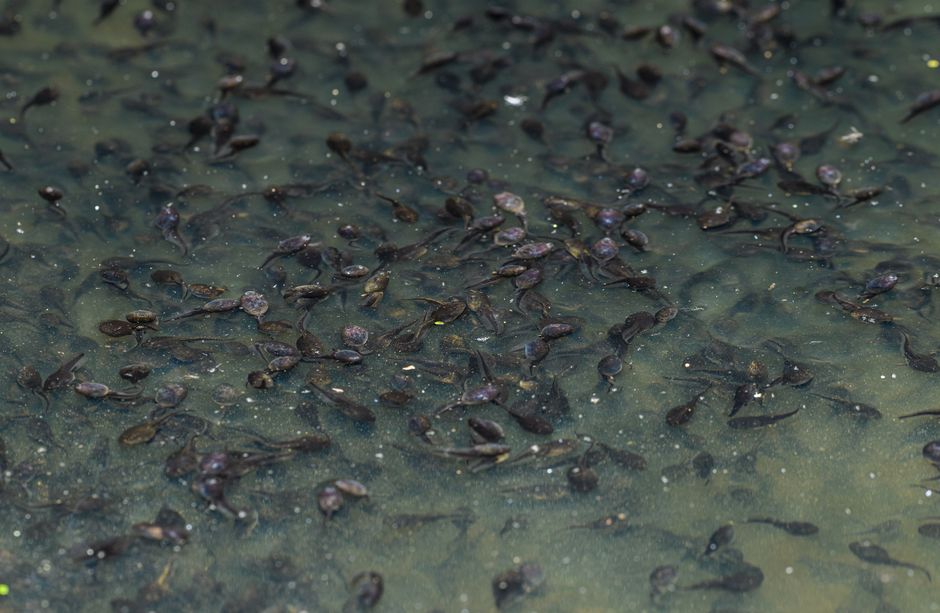
Tadpole → Frog
A baby frog has no legs at all! It’s a wriggly tadpole with a tail, and it swims like a tiny fish before it grows legs and hops away.
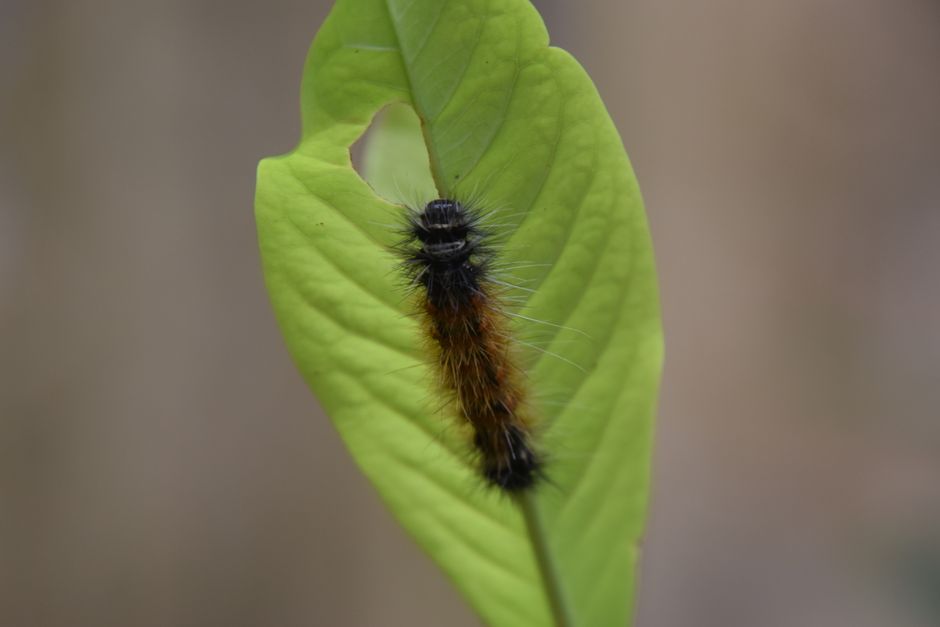
Caterpillar → Butterfly
A butterfly baby is a crawly, munchy caterpillar. It builds a little case and comes out with wings. Totally new body!
Cygnet → Swan
Baby swans are small, grey and fluffy — not white and graceful at all. The “ugly duckling” was really a baby swan!
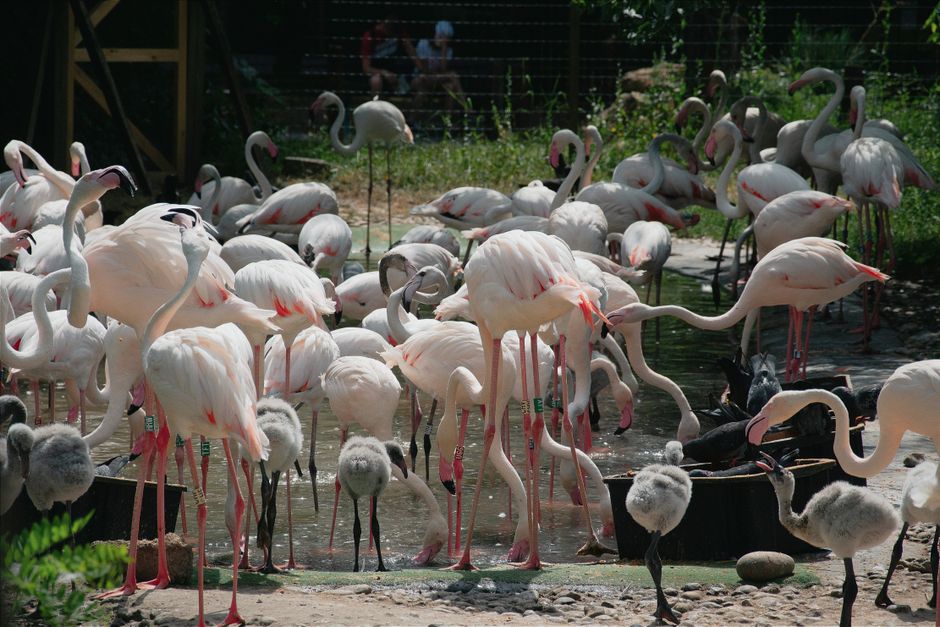
Chick → Flamingo
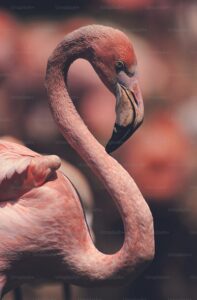
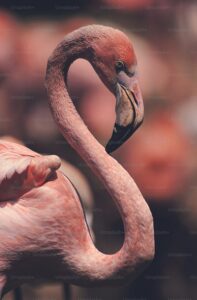
Flamingo babies are born fluffy and grey—white. They only turn pink later. Can you guess why?
The Big Body Swap Called Metamorphosis
When an animal changes its whole body shape as it grows up, scientists call it metamorphosis (say it: met-uh-MOR-fuh-sis). Frogs and butterflies are the champions of this trick. A tadpole grows back legs, then front legs, slowly loses its tail, and turns into a frog that breathes air. A caterpillar does something even wilder — inside its case it almost melts into a soupy mush and rebuilds itself into a winged butterfly. Same animal, brand-new body!
📖 Big Word: Metamorphosis
A big change in body shape as an animal grows from a baby into an adult.
Why Are Baby Flamingos Grey?
Here’s the secret: flamingos are not born pink — they turn pink because of what they eat! Flamingos slurp up tiny shrimp and little plants from the water, and these foods are packed with a natural orange-pink colour. Slowly, that colour soaks into their feathers. A baby flamingo hasn’t eaten enough yet, so it stays grey for a year or two before glowing pink. You really are what you eat!
🤯 Whoa, Really?!
A newborn giant panda is pink, hairless, and about the size of a stick of butter — that’s tinier than a TV remote! Its huge black-and-white mum is around 900 times bigger.
More Mini Surprises
Baby tapirs are reddish-brown with white stripes and spots, so they look a bit like a walking watermelon — but the grown-ups are plain dark brown. The stripes help babies hide in the dappled shade of the forest. All over the world, baby animals wear different colours, shapes, and sizes to stay safe, hide from hunters, or simply because they haven’t finished growing yet.
Two Kinds of Insect Makeover
Insects grow up in two different ways — and the difference is all about how many stages they go through:
- 🦋 Complete metamorphosis (4 stages): egg → larva (a caterpillar or grub) → pupa (a resting case) → adult. The baby looks nothing like the grown-up. Butterflies, beetles, bees, and flies do this — about 3 out of every 4 insects!
- 🦗 Incomplete metamorphosis (3 stages): egg → nymph → adult. Here the baby (a nymph) looks like a tiny version of its parent, and just eats, grows, and sheds its skin bigger and bigger. Grasshoppers and dragonflies grow up this way.
📖 Big Word: Larva
Say it “LAR-vuh.” It’s the young, wormy stage of an animal that will completely change shape — like a caterpillar (baby butterfly) or a grub (baby beetle). More than one is called larvae.
Why Bother With Such a Big Change?
Why would an animal rebuild its whole body? Because it lets the baby and the grown-up live totally different lives — so they never fight over the same food or home! A leaf-munching caterpillar isn’t competing with the nectar-sipping butterfly it becomes. A tadpole breathes underwater with gills, while the frog it turns into hops about on land breathing air. Baby colours help too: a fawn’s spots and a baby tapir’s stripes are camouflage that hide the little ones from hungry hunters. Every single stage is perfectly built to survive.
More Marvellous Makeovers
Nature has plenty more surprises up its sleeve:
- 🐉 Dragonflies start life as fierce underwater nymphs, hunting tadpoles and even tiny fish for up to a couple of years — then they crawl out and unfurl their wings for the very first time.
- 🦌 A baby deer (a fawn) wears a spotty, reddish coat that slowly fades as it grows tall.
- 🦘 A newborn kangaroo (a joey) is jellybean-tiny — only about 2 cm long — and crawls all the way up into its mum’s pouch to keep growing!
🧠 Quick Quiz — tap an answer!
1. Why do flamingos turn pink?
2. What is a baby frog called?
3. The “ugly duckling” in the old story was really a baby…
Frequently Asked Questions
Q: Why do some baby animals look nothing like their parents?
Many change their whole body as they grow up — a process called metamorphosis — so the baby and adult can live very different lives.
Q: What are the two kinds of insect metamorphosis?
Complete metamorphosis has four stages (egg, larva, pupa, adult) like butterflies; incomplete has three (egg, nymph, adult) like grasshoppers, where the nymph looks like a mini adult.
Q: What is a larva?
The young, wormy stage of an animal that will completely change shape, such as a caterpillar (baby butterfly) or a grub (baby beetle).
Q: Why is metamorphosis helpful?
It lets babies and adults eat different foods and live in different places, so they don’t compete — a caterpillar eats leaves while the butterfly sips nectar.
Q: Why are baby flamingos grey, not pink?
Flamingos turn pink from the shrimp and tiny plants they eat. A baby hasn’t eaten enough of that food yet, so it stays grey for a year or two.
📚 Where we learned this (for curious grown-ups):
• National Geographic — Metamorphosis, Explained
• Natural History Museum — Dragonflies (Underwater Nymphs)
• National Geographic Kids — Kangaroo (Tiny Joeys)
Keep Exploring!
Next time you spot a baby animal, look closely — it might grow up to look like something completely different! Nature is full of these magical makeovers, and now you know some of the best ones. Which surprise transformation was your favourite?