Buckle up, because the toughest weightlifters on the planet are smaller than your fingernail! Insects don’t go to the gym, yet some of them can heave, drag and lift loads that would crush an elephant if you shrank one down to bug size. Let’s meet the mini muscle champions.
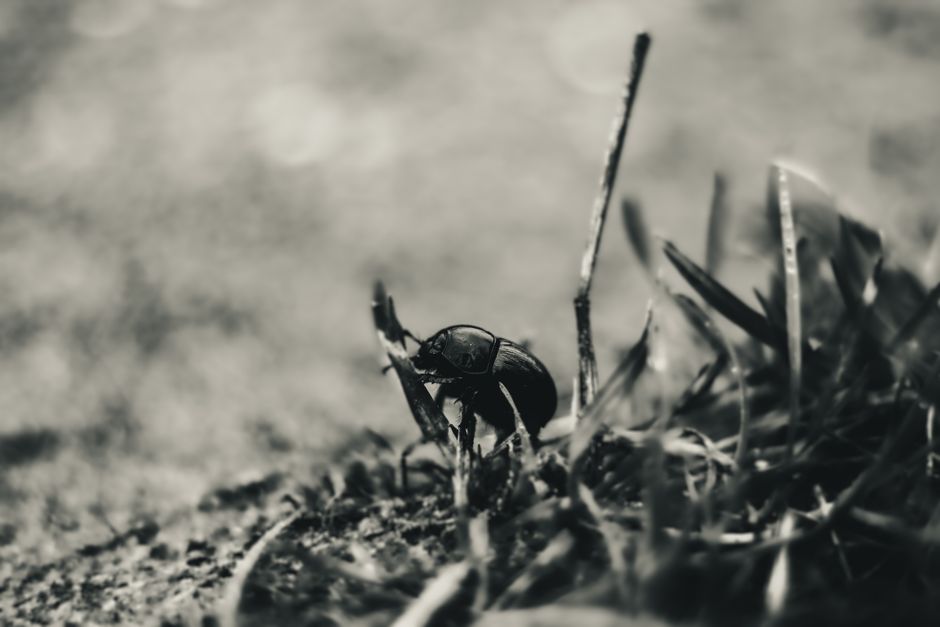
The Mighty Dung Beetle
The horned dung beetle can pull more than 1,000 times its own body weight — like a person dragging six full double-decker buses!
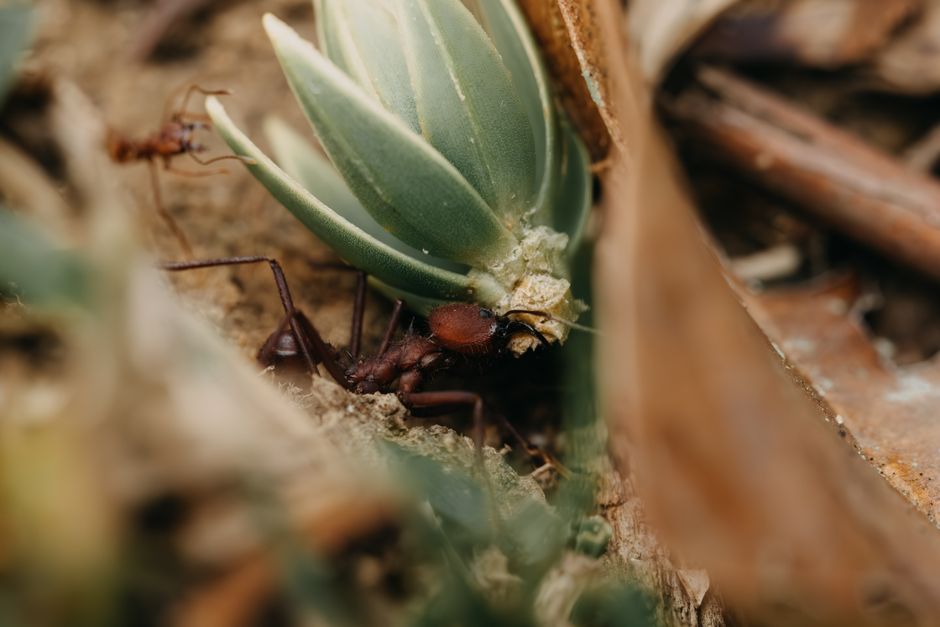
Leafcutter Ant Marchers
These ants snip leaves and carry pieces many times heavier than themselves, holding them high like tiny green sails.
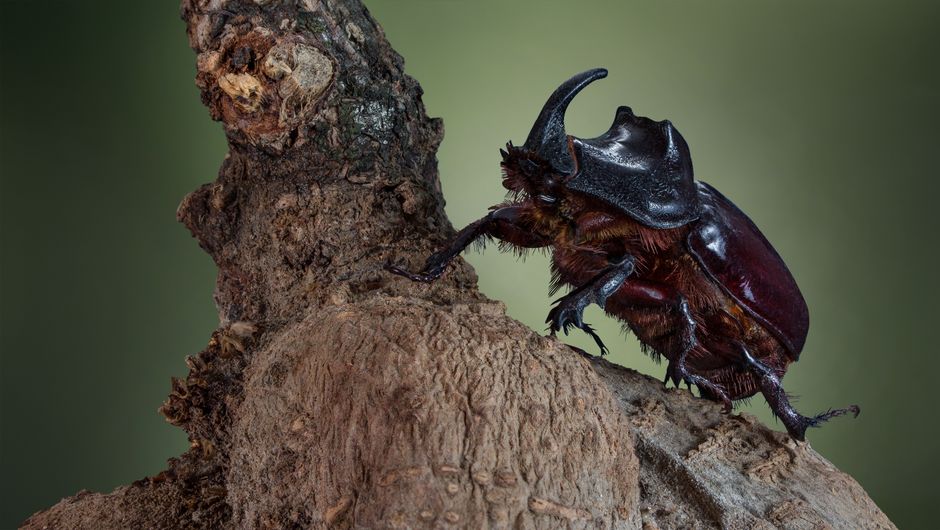
The Rhinoceros Beetle
This horned giant can carry loads many times its own weight on its back — one of the strongest lifters for its size anywhere.
Tiny Body, Big Power
Smaller creatures have lots of muscle packed into a small body, so they’re super strong compared to their size.
Why are tiny bugs so strong?
Here’s the secret: strength comes from muscle, and muscle works a bit like a bundle of stretchy ropes. When an animal is small, it has a surprising amount of muscle compared to how little it weighs. That means a beetle has plenty of pulling power but almost no body weight to slow it down. Shrink a human to ant size and they’d look incredibly strong too — but grow an ant to human size and its skinny legs couldn’t hold it up at all!
Insects also wear their skeleton on the outside. This hard shell, called an exoskeleton, works like a suit of armour and gives their muscles something tough to push and pull against. No wonder they can shove heavy loads around without snapping in half.
📖 Big Word: Exoskeleton
A hard shell on the outside of an animal’s body — like built-in armour — instead of bones on the inside.
Strong teamwork wins, too
One ant is strong, but a whole colony is unstoppable. Ants link their bodies together to build living bridges and rafts, and they team up to drag prey far bigger than any single ant could move alone. Their motto might as well be: many tiny pulls add up to one giant win.
🤯 Whoa, Really?!
If you had the dung beetle’s strength for your size, you could lift a small car right over your head with one arm!
The Real Secret: Why Small Means Strong
Here’s the deep science, and it’s a bit surprising. A muscle’s pulling power depends mostly on how thick it is (its width), but an animal’s weight depends on its whole body. When you shrink a creature down, its weight drops away much faster than its strength does. So a teeny beetle keeps lots of pulling power while carrying almost no body weight — making it a superhero for its size! It also works the other way: a giant animal like an elephant is so heavy that it can’t lift its own body over its head. That’s why you could never simply “grow an ant to human size” — its little legs would buckle under all that extra weight.
📖 Big Word: Invertebrate
Say it “in-VUR-tuh-brit.” It’s an animal with no backbone — like insects, spiders, and worms. Instead of an inside skeleton, insects wear their exoskeleton on the outside.
More Mini Muscle Champions
The dung beetle isn’t the only record-breaker in the bug Olympics:
- 🦘 The froghopper is the greatest jumper of all — this tiny bug can spring around 70 centimetres straight up. For its size, that’s like you leaping clean over a tall building!
- 🍃 Leafcutter ants haul chunks of leaf up to about 30 times their own weight, marching them home like living green umbrellas.
- 🦏 Hercules and rhinoceros beetles can carry many times — even hundreds of times — their own weight on their backs, thanks to that tough exoskeleton armour.
Bug Power Inspires Inventors
Insect super-strength isn’t just cool — it’s useful! Scientists copy bug bodies to build clever machines, an idea called biomimicry (copying nature). Studying how a cockroach’s squishy-but-tough exoskeleton lets it squeeze through gaps as thin as two stacked coins helped engineers design a little robot that can flatten and scurry into tight spaces to find people after earthquakes. And the way ants team up inspires swarms of tiny robots that work together. Next time you watch a beetle at work, remember — you might be looking at the blueprint for tomorrow’s inventions!
🧠 Quick Quiz — tap an answer!
1. Which insect is famous for pulling over 1,000 times its own weight?
2. What do we call the hard shell on the outside of an insect’s body?
3. Why are little insects so strong for their size?
Frequently Asked Questions
Q: Why are tiny insects so strong for their size?
A muscle’s strength depends on its thickness, but weight depends on the whole body. Shrinking a creature drops its weight much faster than its strength, so small bugs are super strong compared to their size.
Q: Which insect is the strongest?
The horned dung beetle is a champion puller — it can pull over 1,000 times its own body weight, like a person dragging several buses.
Q: Which insect jumps the best?
The froghopper. It can leap around 70 cm into the air — the best jumper of any insect for its size.
Q: What is an exoskeleton?
A hard shell on the outside of an animal’s body, like built-in armour. It gives an insect’s muscles something tough to push and pull against.
Q: Do scientists learn from strong insects?
Yes! Through biomimicry, engineers copy bug bodies to design tiny strong robots — like a cockroach-inspired robot that squeezes into tight spaces after disasters.
📚 Where we learned this (for curious grown-ups):
• National Geographic Kids — Dung Beetle
• Natural History Museum — Froghoppers (Best Insect Jumpers)
• Britannica — Rhinoceros Beetle
Keep Exploring!
Next time you spot a beetle nudging a crumb or a line of ants hauling a leaf, take a closer look — you’re watching some of the strongest athletes on Earth in action. Pound for pound, the bug world makes our biggest weightlifters look like total softies!