Buckle up, because snakes are some of the strangest, sneakiest animals on the planet — and they zoom, climb, and even swim without a single leg! So what happened to their legs, and how do they get around without them? Let’s slither into the answer.
They Once Had Legs
Long, long ago snake ancestors had little legs — over millions of years they slowly shrank away.
Hidden Leftovers
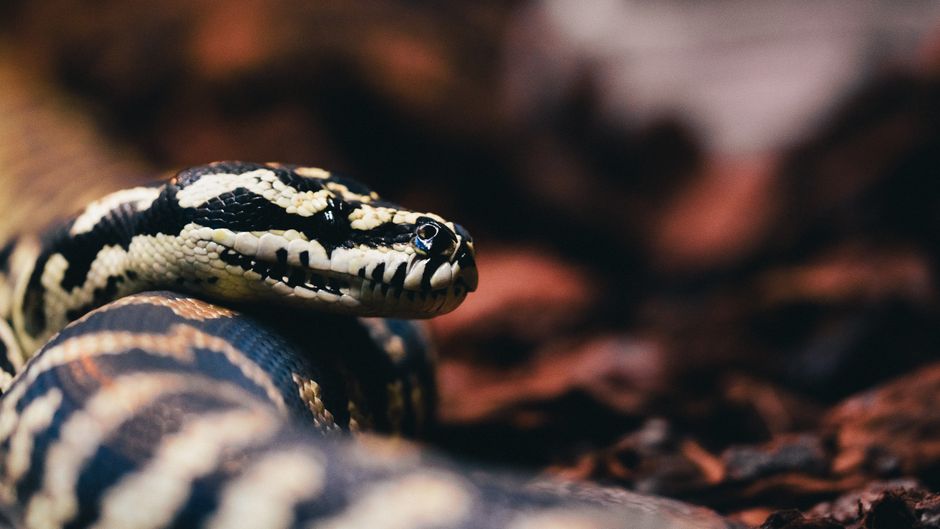
Some snakes, like pythons, still have tiny hip bones tucked inside their bodies — ghosts of legs gone by!
Hundreds of Ribs
A snake’s body is packed with ribs — sometimes hundreds — that help push it along.
Smelling With Tongues
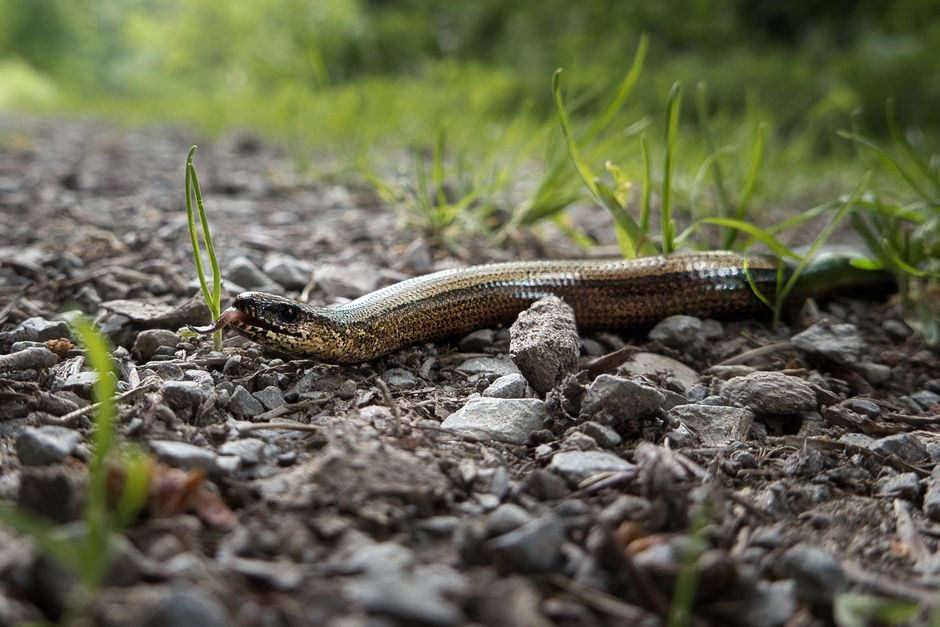
That flicking tongue isn’t rude — it’s how a legless hunter tastes the air to find food!

Why Did Snakes Lose Their Legs?
Scientists think the very first snakes lived their lives squeezing through narrow burrows underground or sliding through thick leaves. Legs got in the way! Over a huge stretch of time — far longer than you can imagine — the animals with smaller legs found it easier to wriggle into tight spaces. Bit by bit, legs became less and less useful, until snakes were born with none at all. Nature kept what worked best, and a smooth, bendy body turned out to be a brilliant design.
So How Do They Move Without Legs?
A snake’s secret is its amazing bendy body. Under its belly are wide, overlapping scales that grip the ground like the tread on a tyre. By bunching up and stretching out, or by making S-shaped waves, the snake pushes against the floor and glides forward. Some can even climb trees or swim across rivers — not bad for an animal with no arms or legs!
The Ghost of Ancient Legs
Here’s the coolest clue of all: scientists have dug up fossils of ancient snakes that still had tiny back legs! These prehistoric snakes lived alongside the dinosaurs, more than 100 million years ago. Little by little, over an almost unimaginable stretch of time, their legs shrank until they vanished. And guess what — some snakes alive today, like big pythons and boas, still have teeny leftover hip bones and little claw-like “spurs” near their tails. They’re the ghostly leftovers of legs their great-great-grandparents once used!
📖 Big Word: Vestigial
A vestigial body part is a leftover from long ago that isn’t really used anymore — like a snake’s tiny hidden hip bones.
Four Cool Ways Snakes Slither
A snake doesn’t move just one way — it has a whole toolbox of tricks:
- The S-wave — the classic wiggle, pushing its body into curves that shove against the ground.
- The squeeze-and-stretch — perfect for narrow tunnels: it bunches up like an accordion, then reaches forward and pulls the rest along.
- Sidewinding — desert snakes throw their bodies sideways in loops so only two small parts touch the burning-hot sand.
- The straight-line creep — heavy snakes like pythons can inch forward in a slow, straight line using just their belly scales, almost like a moving carpet.
To power all this, a snake’s body is astonishing inside: it can have anywhere from about 175 to 400 backbones and ribs, joined by thousands and thousands of little muscles all working together!
Super Snake Senses
With no legs, snakes became sensing superstars in other ways. That flicking forked tongue scoops up tiny smell-clues from the air — and because it’s split in two, a snake can almost smell in “stereo” and tell which way its dinner went! Snakes have no ears on the outside, so they feel the world through vibrations rumbling up through the ground. And they never blink — a clear see-through scale protects each eye instead of an eyelid.
🧪 Try This at Home
Lie on the floor and try to move forward without using your arms or legs — just wiggle! It’s tricky, right? Now you can appreciate how brilliant a snake’s bendy body really is.
🤯 Whoa, Really?!
A snake can swallow food much wider than its own head! Its lower jaw is connected by stretchy bands, so it can open super wide — like a balloon stretching around a ball.
🧠 Quick Quiz — tap an answer!
1. How do snakes grip the ground to move?
2. What do some snakes still have hidden inside their bodies?
Frequently Asked Questions
Q: Did snakes ever have legs?
Yes! Their lizard-like ancestors had four legs, and fossils show early snakes with tiny back legs over 100 million years ago.
Q: Do any snakes still have leg parts?
Boas and pythons keep tiny leftover hip bones and little claw-like spurs — vestigial “ghost legs.”
Q: How do snakes move without legs?
They flex their long muscly bodies and grip the ground with wide belly scales, using wiggles, squeeze-and-stretch, sidewinding, or a straight-line creep.
Q: Why does a snake flick its tongue?
To taste smells in the air and track down food — the split tip helps it tell which direction a scent is coming from.
Q: Can snakes hear?
They have no outside ears, so instead they feel vibrations travelling through the ground.
📚 Where we learned this (for curious grown-ups):
• Smithsonian’s National Zoo — How Do Snakes Move Without Legs?
• American Museum of Natural History — How Did Snakes Lose Their Legs?
• Britannica Kids — Snake
Keep Exploring!
So snakes have no legs because, over millions of years, a long bendy body became the perfect tool for sneaking, hunting, and exploring. Next time you see a snake glide by, watch those belly scales ripple — you’re looking at one of nature’s cleverest moving machines!