You pour water into a tray, slide it into the freezer, and a few hours later… it’s hard as a rock! The water didn’t disappear and nothing new was added — so how did wobbly, splashy water turn into solid, slippery ice? Let’s chase the answer.
What is water really made of?
Every drop of water is made of trillions of tiny pieces far too small to see, called molecules. In liquid water, these molecules are always moving — sliding, bumping, and tumbling past each other. That constant movement is why water can pour, splash, and take the shape of any cup. The molecules are holding hands loosely, so they can keep dancing around.
📖 Big Word: Molecule
A super-tiny building block. It takes billions and billions of water molecules just to make one little raindrop!
So why does the cold change it?
Heat is really just movement — warm things have molecules zooming around fast. When you put water in the freezer, you take heat away. As the water gets colder, its molecules slow down more and more. They have less and less energy to dance, so they stop tumbling and start settling into place, like tired children finally sitting down.
Then what makes it go solid?
When water gets cold enough — that’s 0 degrees Celsius (32 degrees Fahrenheit) — the molecules slow down so much that they lock together into a neat, repeating pattern. This tidy pattern is called a crystal. Once the molecules are locked in their places, they can’t slide around anymore. The water can no longer pour or splash — it has become hard, solid ice. That magic moment of changing from liquid to solid is called freezing.
🌟 Did You Know?
Ice is one of the only things that gets bigger when it freezes. The molecules lock into a pattern that takes up more room — which is why a full water bottle can crack open in the freezer!
Then why does ice float?
Because ice spreads out and takes up more space, it becomes lighter for its size than liquid water. Lighter things float on heavier ones — so ice cubes bob at the top of your drink, and frozen lakes have ice on the surface while fish swim happily in the liquid water below. Pretty handy for the fish!
The Three States of Water
Water is one of the most amazing substances on Earth, because we can easily see it in all three states of matter:
- 🧊 Solid (ice) — the molecules are locked in a fixed pattern, so it holds its shape.
- 💧 Liquid (water) — the molecules slide past each other, so it takes the shape of its cup.
- ☁️ Gas (water vapour or steam) — the molecules zoom apart and fly free, spreading everywhere.
Add heat or take it away, and water switches between them. Best of all, it’s the same water the whole time — just its tiny molecules moving faster or slower!
📖 Big Word: States of Matter
The different forms a material can take — solid, liquid, or gas. Water is special because we easily see all three: ice, water, and steam.
Melting, Freezing, Boiling: Naming the Changes
Each switch between states has its very own name:
- Ice → water = melting (add heat).
- Water → ice = freezing (take heat away, at 0°C).
- Water → steam = boiling / evaporating (lots of heat).
- Steam → water = condensing (cooling down — like the drips on a cold glass!).
And here’s the wonderful bit: nothing is ever created or destroyed. It’s the exact same water molecules all along, just speeding up or slowing down.
Why Floating Ice Is a Superpower for Nature
Remember how ice takes up more room and floats? That odd habit turns out to be a lifesaver! When a pond or lake freezes in winter, the ice forms a lid right on top, while the water underneath stays liquid. That floating ice blanket insulates the water below, stopping it from freezing solid — so fish, frogs, and other creatures can survive the whole winter safely beneath it. If ice sank instead, ponds would freeze solid from the bottom up, and life would be in big trouble.
🔎 Try This: The Hidden Iceberg!
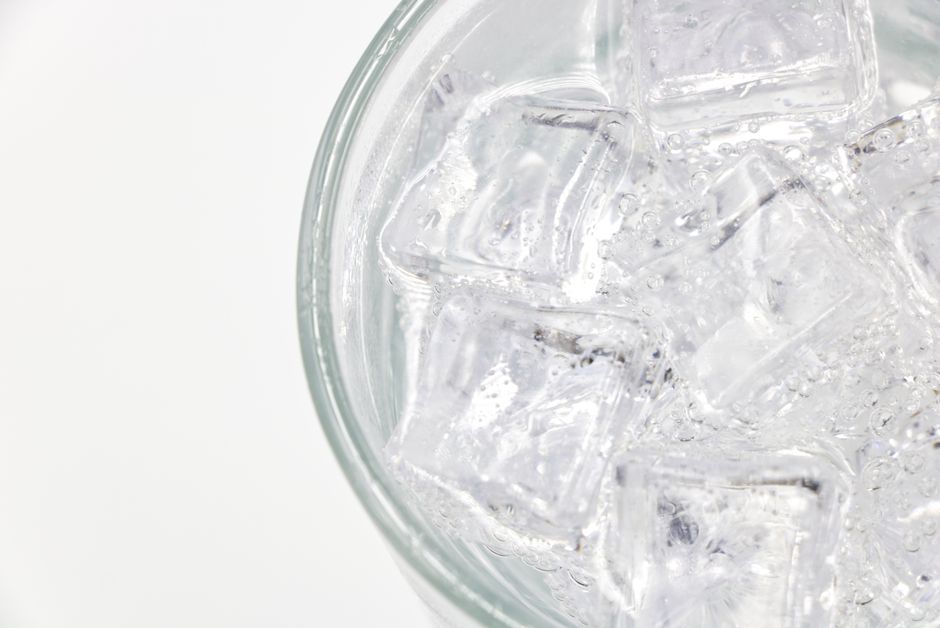
Float an ice cube in a glass of water and look from the side. Notice how most of the cube hides under the surface? That’s exactly how a giant iceberg keeps about nine-tenths of itself hidden below the sea — only the tip pokes out!
🔍 Tap to Reveal!
Frequently Asked Questions
Q: Why does water turn into ice?
When water gets cold, its molecules slow down and lock into a neat, solid crystal pattern. That change from liquid to solid is called freezing.
Q: At what temperature does water freeze?
0°C (32°F) — that’s the freezing point of water.
Q: What are the three states of water?
Solid (ice), liquid (water), and gas (water vapour or steam) — and heat moves it between them.
Q: Why does ice float?
Water expands as it freezes, so ice takes up more room and becomes lighter for its size (less dense) than liquid water — so it floats.
Q: How do fish survive in a frozen lake?
Floating ice makes an insulating lid on top, keeping the water below liquid so fish can swim safely all winter.
📚 Where we learned this (for curious grown-ups):
• American Chemical Society — Matter: Solids, Liquids & Gases
• USGS — Water Density (Why Ice Floats)
• Britannica — Why Does Ice Float on Water?
Now You Know!
Water turns into ice when the cold steals away its energy, slowing the tiny molecules until they lock into a solid crystal pattern. And the best part? It works backwards too — warm the ice up, the molecules wake and start dancing again, and you’re back to splashy water. Next time you drop a cube in your drink, you’ll know exactly what those little molecules are up to!