Buckle up, sky-watcher! Every winter the Sun seems to clock off early, leaving you in the dark before dinner is even on the table. It isn’t the Sun being lazy — it’s our whole planet doing a slow, tilted spin through space. Here are four jaw-dropping facts about why winter days are so short.
Earth Leans Over
Our planet is tilted by about 23½ degrees. That single lean is the real reason we get seasons at all.
Slanted Sunlight
In winter the Sun sits low, so its light hits your part of the world at a slant — spread thin and weaker, like a torch shone sideways.
Shorter Sun-Time
The Sun travels a low, quick path across the winter sky, so there are simply fewer hours of daylight before it dips away.
Opposite Seasons
When it’s dark-early winter where you live, the other half of Earth is enjoying long, sunny summer days. Same moment, opposite seasons!
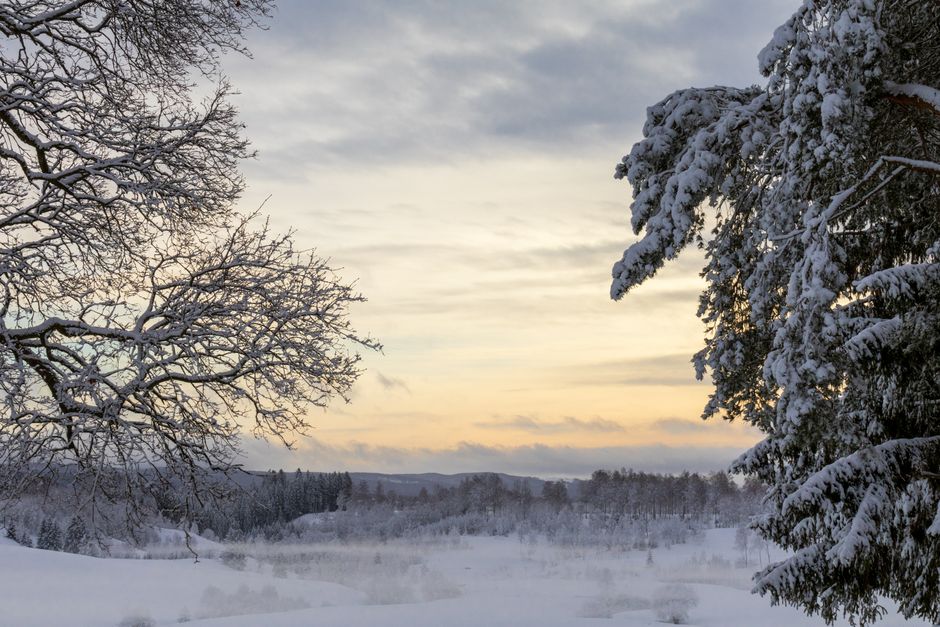
It’s the Tilt, Not the Distance
Here’s the part that surprises most people: Earth is not further from the Sun in winter. In fact, our planet is closest to the Sun in early January — right in the middle of northern winter! Seasons have almost nothing to do with distance. What matters is the tilt. The half of Earth leaning away from the Sun gets slanted light and short days, while the half leaning towards it gets strong light and long days.
🤯 Whoa, Really?!
At the North Pole in deep winter, the Sun doesn’t rise at all — it can stay dark for weeks! And in summer it never fully sets, giving the “midnight sun.”
Why the Sun Disappears So Early
As Earth circles the Sun over a year, your slice of the planet tips gradually away from it during autumn and winter. Tipped away, the Sun rises later, climbs only a little way up the sky, and slides back down quickly. Fewer hours above the horizon means earlier sunsets — sometimes before you’ve even finished your afternoon snack. Then, slowly, Earth carries you back around and the days stretch out again towards spring.
🌟 Did You Know?
The shortest day of the year is called the winter solstice. After it, every single day gets a tiny bit longer — spring is on its way!
Why Slanted Sunlight Is Weaker
Try this with a torch: shine it straight down and you get a small, bright circle. Now tilt it and shine it sideways — the same light stretches into a big, dim oval. That’s exactly what winter does! Because the Sun sits low in the winter sky, its light strikes the ground at a slant and spreads out over a much bigger patch. The same sunbeam is shared across more space, so it feels weaker and cooler. That’s why winter is not only darker but colder too — the sunlight is spread thin, like butter scraped over too much toast.
Earth’s Tilt Always Points the Same Way
Here’s the clever bit that ties it all together. Earth spins on an invisible line called its axis, running from the North Pole to the South Pole. As our planet loops around the Sun once a year, that axis keeps pointing at the same spot in space — almost exactly at the North Star. So for one half of the year your part of Earth leans toward the Sun (hello, long sunny summer days), and for the other half it leans away (short, dark winter days). And twice a year, in spring and autumn, neither half leans — those days are called equinoxes, when day and night are almost exactly equal all over the world.
📖 Big Word: Axis
Say it “AK-sis.” It’s the imaginary line Earth spins around, running right through the North and South Poles. Because it’s tilted — and always points the same way — we get our seasons.
It Depends Where You Live
How short your winter days get depends on where on Earth you are. Right on the equator, day and night stay about 12 hours long all year — barely any change! But the further you travel toward the poles, the bigger the swing. At places far north, midsummer can bring around 18 hours of daylight, while midwinter shrinks it to fewer than 6. Go all the way to the North or South Pole and it’s the most extreme of all: months of endless daylight in summer, and months of darkness in winter. And remember — whatever season you’re in, the opposite half of the world is enjoying exactly the reverse!
🧠 Quick Quiz — tap an answer!
1. Why do we get winter at all?
2. What do we call the shortest day of the year?
Frequently Asked Questions
Q: Why does it get dark earlier in winter?
Because your half of Earth is tilted away from the Sun. The Sun rises later, stays low, and sets quickly, so there are fewer hours of daylight.
Q: Is Earth further from the Sun in winter?
No — surprisingly, Earth is actually closest to the Sun in early January. Seasons are caused by Earth’s tilt, not its distance.
Q: Why is winter sunlight weaker?
The low winter Sun hits the ground at a slant, spreading the same light over a bigger area. Spread thin, it feels dimmer and cooler.
Q: What is Earth’s axis?
An imaginary line through the North and South Poles that Earth spins around. It’s tilted about 23.5° and always points the same way, toward the North Star.
Q: Do all places have short winter days?
No. Near the equator days stay about 12 hours all year. The closer you get to the poles, the bigger the difference — up to months of full dark or full light at the poles.
📚 Where we learned this (for curious grown-ups):
• NASA Space Place — What Causes the Seasons?
• NASA Earth Observatory — Seeing Equinoxes & Solstices from Space
• Britannica — Why Do We Have Seasons?
Keep Looking Up!
So the next time the Sun sets while you’re still doing your homework, remember — you’re riding a giant tilted planet swinging through space. Those long, dark evenings are just winter’s way of reminding you that brighter, longer days are always spinning back around. Keep looking up!