Buckle up, chocolate fans — that little square of sweetness is one of the most amazing foods on the whole planet. It starts as a bitter bean, melts at exactly the temperature of your tongue, and even sends happy little messages to your brain. So why does chocolate taste so good? Let’s unwrap the science!
It Grows on Trees
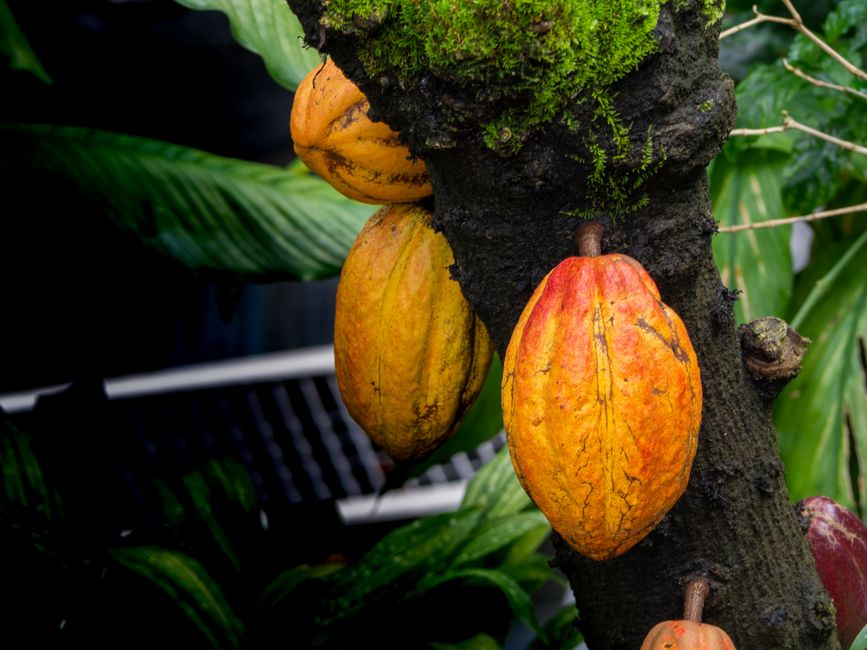
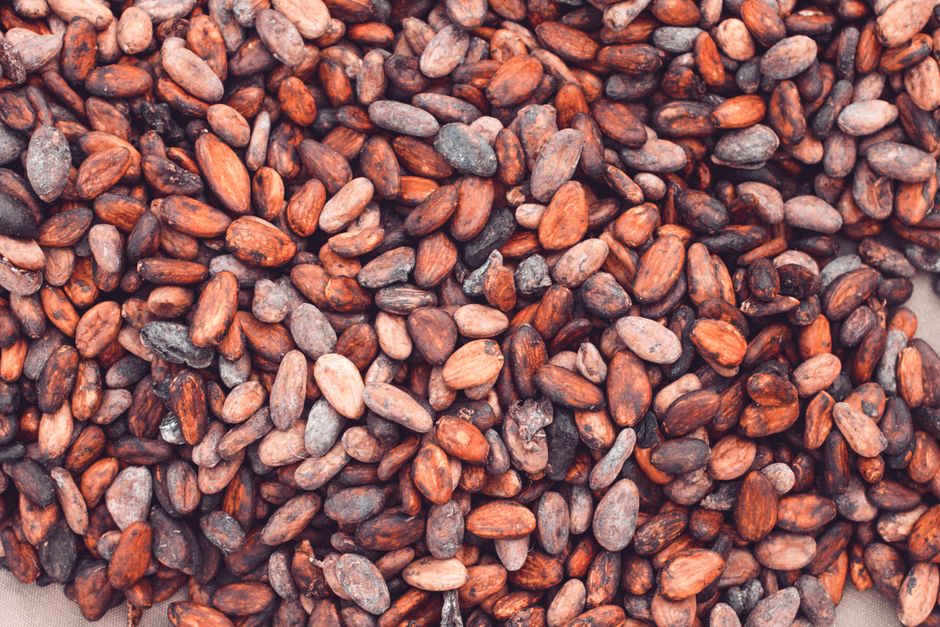
Chocolate is made from cacao beans, which grow inside big colourful pods on the cacao tree.
Melts in Your Mouth
Chocolate melts at almost exactly your body temperature, so it turns silky the moment it touches your tongue.
Happy Signals
Eating chocolate gently nudges your brain to make “feel-good” chemicals, so it can lift your mood.
Hundreds of Flavours
Cocoa can have hundreds of different flavour notes — fruity, nutty, even a little flowery!
A Treat Built for Your Tongue
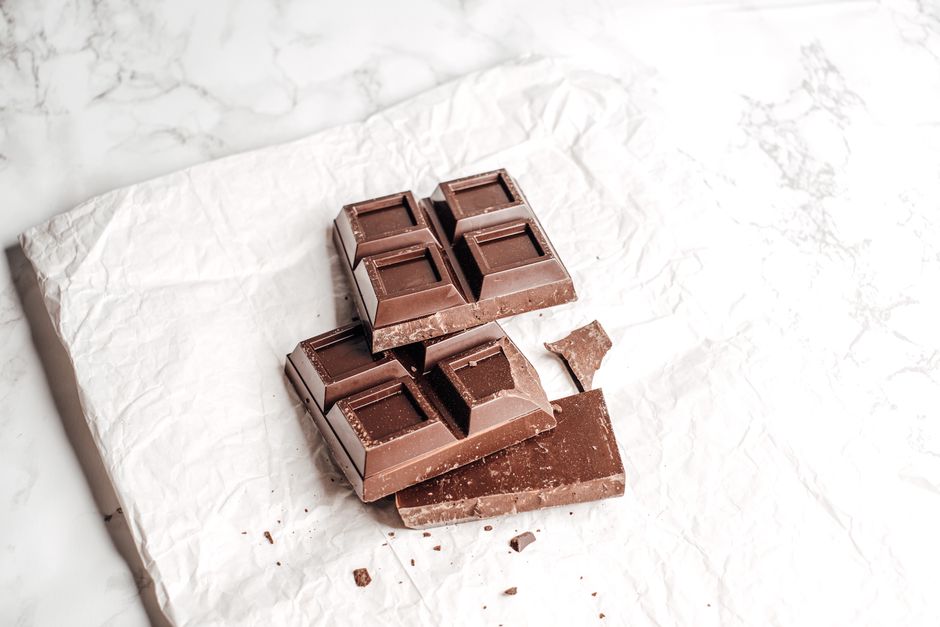
Here’s a tasty secret: chocolate is one of the few foods that is solid when you pick it up but turns into a smooth liquid in your mouth. That happens because the cocoa butter inside it melts at around the same warmth as your body. Your tongue feels that creamy change, and your brain loves it. On top of that, chocolate mixes three things humans naturally enjoy — a little sweetness, a little fat, and a rich, roasted flavour all at once.
Why Your Brain Says “Yum!”
Taste isn’t only in your mouth — a lot of it is in your nose and your brain. When chocolate melts, it releases tiny smell particles that float up to the back of your nose, which is why chocolate smells wonderful too. At the same time, the natural chemicals in cocoa send calm, cheerful signals to your brain. Put it together and your body remembers, “That felt nice — let’s have more!”
🤯 Whoa, Really?!
Long, long ago in ancient Central America, cacao beans were so valuable that people used them as money — you could actually buy things with chocolate beans!
📖 Big Word: cacao
Say it “kuh-KOW.” It’s the tree (and its beans) that all chocolate is made from.
From Bitter Bean to Sweet Bar
Straight off the tree, a cacao bean tastes horrible — super bitter, nothing like a chocolate bar! It takes a whole clever journey to become the treat you love:
- Pick the pods — big colourful pods are cut from the cacao tree and the beans scooped out with their sticky white pulp.
- Ferment — the beans rest in piles for a few days, and this is where the yummy chocolate flavour first begins to build.
- Dry & roast — they’re dried in the sun, then roasted until brown and fragrant.
- Grind — the shells crack off and the insides are ground into a thick, rich paste.
- Mix & smooth — sugar is added (and milk, for milk chocolate), then it’s stirred for hours in a machine called a conche until it’s beautifully silky, and cooled into bars.
📖 Big Word: Fermentation
Say it “fer-men-TAY-shun.” It’s when tiny living helpers (too small to see) change a food and build new flavours — like turning plain cacao beans into the start of chocolate.
Your Nose Does Half the Tasting
Here’s a wild truth: your tongue only knows five basic tastes — sweet, salty, sour, bitter, and savoury (called umami). So where do chocolate’s hundreds of fruity, nutty, flowery notes come from? Your nose! As chocolate melts, it releases tiny smell particles that drift up to your nose from inside your mouth. Taste + smell working together is what we call flavour.
🔎 Try This: The Nose Test!
Pop a piece of chocolate in your mouth while gently pinching your nose shut. Notice how flat and dull it tastes — you mostly just get “sweet.” Now let go of your nose… and WHOOSH, all the rich chocolatey flavour floods back! That’s your nose doing its half of the job.
A Sometimes Treat
Chocolate is a wonderful treat, but it’s packed with sugar and fat, so it’s best enjoyed in small amounts every now and then rather than all day long. Here’s a fun fact while you nibble: dark chocolate has lots of cocoa, so it tastes richer and more bitter, while white chocolate actually has no cocoa solids at all — just cocoa butter, sugar, and milk. Same family, very different flavours!
🧠 Quick Quiz — tap an answer!
1. What does chocolate come from?
2. Why does chocolate feel so smooth in your mouth?
Frequently Asked Questions
Q: Why does chocolate taste so good?
It melts at about your body temperature (so it feels silky), it smells wonderful, and it mixes sweetness, fat, and rich flavour — a perfect team-up your brain loves.
Q: What is chocolate made from?
Cacao beans, which grow inside pods on the cacao tree. The beans are fermented, dried, roasted, ground, and mixed with sugar to become chocolate.
Q: Why does chocolate melt in your mouth?
The cocoa butter inside it melts just below your body temperature, so it stays solid in your hand but turns creamy on your warm tongue.
Q: Why does chocolate taste flat if you hold your nose?
Because much of “taste” is really smell! Blocking your nose stops the aromas reaching it, so you only get the basic sweet taste.
Q: Is chocolate good or bad for you?
It’s a lovely treat in small amounts, but it has lots of sugar and fat, so it’s best as a “sometimes” food.
📚 Where we learned this (for curious grown-ups):
• Britannica — How Is Chocolate Made?
• American Chemical Society (C&EN) — The Chemistry of Chocolate
• Britannica Kids — The Tongue & the Five Tastes
Keep Exploring!
So chocolate tastes amazing because it melts just right, smells delicious, and sends happy signals to your brain — a perfect team-up of science and yum. Next time you enjoy a piece, let it melt slowly on your tongue and see how many flavours you can spot. You’re tasting the work of a tree, a bean, and a whole lot of clever chemistry!