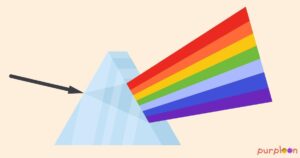
Buckle up, because the smallest word in the whole world might just be the most powerful one you own. It is only three letters long, but every rocket, every cure, every bridge and every brilliant idea started with someone whispering it: “Why?” Curious people aren’t born knowing more — they just never stopped asking.
Your Brain Loves It
When you feel curious, your brain gives itself a tiny reward — it actually feels good to wonder, so questions are like brain candy.
Question Champions
Young children are famous for asking heaps of questions every single day. That isn’t being annoying — it’s being a scientist!
A Falling Apple
Isaac Newton watched an apple drop and asked why it fell down instead of sideways. That one question helped explain gravity.
Curiosity Sticks
Things you wonder about are easier to remember. When you really want to know the answer, your brain grabs it and holds on tight.


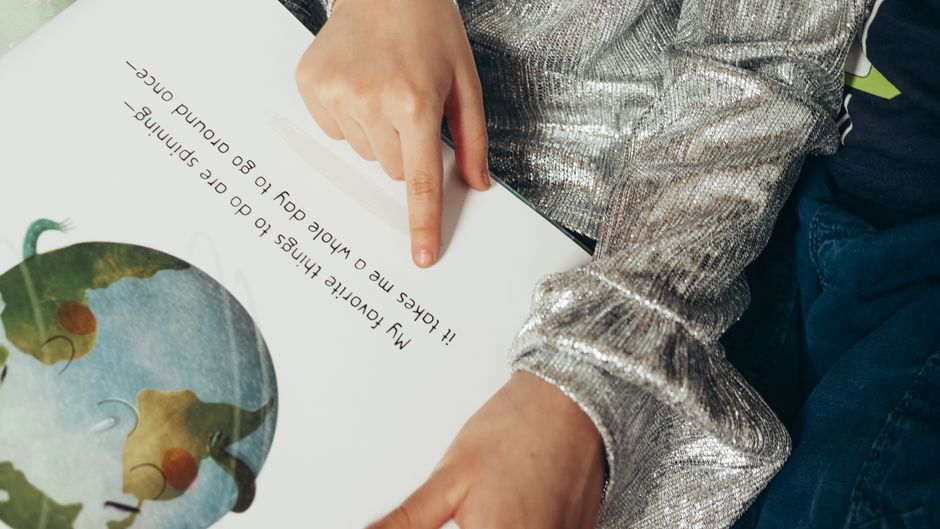
Why “Why” Is a Superpower
Imagine you ask why the sky is blue. The answer leads you to light. Light leads you to colours. Colours lead you to rainbows, and rainbows lead you to raindrops bending sunshine. One little question turned into a whole adventure! That’s the secret: every answer hides a new door, and curiosity is the key that opens it.
Asking why also makes you braver. It is totally fine to not know something — in fact, the smartest people in the world spend their whole lives happily saying “I don’t know yet, let’s find out.” Not knowing isn’t a weakness. It is the exciting beginning of learning.
🤯 Whoa, Really?!
Nobody has run out of questions — ever. The more we discover, the more brand-new questions appear. Scientists today have more puzzles than ever before, and that’s wonderful news for curious kids like you.
How to Keep Your Curiosity Strong
Curiosity is a bit like a muscle: the more you use it, the stronger it grows. When something puzzles you, don’t shrug it off — chase it! Ask a grown-up, look it up in a book, or try a little experiment. And when you get an answer, ask one more question about that. There is always a deeper layer waiting.
📖 Big Word: Curiosity
A strong, happy feeling of wanting to know or learn about something. It’s the engine that powers every explorer, inventor and scientist.
Your Curious Brain: Why Wondering Feels Good
When a question grabs you, your brain flips on its reward system and releases a happy little messenger chemical called dopamine — the very same one that fires when you get a treat. That’s literally why a juicy question feels like brain candy! And here’s the best part: scientists have discovered that when you’re curious, you remember the answer far better — and you even remember other things you happen to learn in that moment. Feeling curious switches your brain into super-learning mode.
📖 Big Word: Dopamine
Say it “DOPE-uh-meen.” It’s a “feel-good” messenger in your brain. Curiosity releases a little of it, which is why wondering feels so nice — and helps you remember what you learn.
The Curiosity Gap: Why a Little Mystery Pulls You In
Here’s a clever trick your brain plays. You feel most curious when you know a little about something — but not everything. If you know absolutely nothing, or you already know it all, curiosity fades. But a tiny gap in what you know is like an itch you simply have to scratch! That’s exactly why riddles, cliffhangers, and “guess what happens next…” are so impossible to resist. And it means the more you learn, the more fascinating questions pop up — curiosity grows as your knowledge grows.
Grow Your Curiosity Muscle
Curiosity really is like a muscle — here’s how to make yours stronger every day:
- ❓ Ask “why,” “how,” and “what if” — open-ended questions lead to the best adventures.
- 📓 Keep a wonder journal or a question jar — catch your questions before they float away.
- 🙌 Say “I don’t know yet — let’s find out!” Getting things wrong is just part of learning.
- 🔎 Chase the answer — in a book, a safe search with a grown-up, or a little experiment — then ask one more question about it.
Grown-ups can help by wondering out loud too, and by cheering the asking as much as the answer.
🧠 Quick Quiz — tap an answer!
1. What happens in your brain when you feel curious?
2. What did Isaac Newton wonder about a falling apple?
Frequently Asked Questions
Q: Why does being curious feel good?
Curiosity switches on your brain’s reward system and releases dopamine, a “feel-good” messenger — the same one that fires for treats. So wondering is like brain candy!
Q: Does curiosity help me learn?
Yes! Scientists found that when you’re curious, you remember the answer much better — and even remember other things you learn at that moment.
Q: Why can’t I stop thinking about a riddle?
Because of the “curiosity gap”: knowing a little but not everything feels like an itch you have to scratch. That’s why riddles and cliffhangers pull you in.
Q: Is it bad to not know something?
Not at all — it’s the exciting start of learning. Even top scientists happily say “I don’t know yet, let’s find out.”
Q: How can I become more curious?
Ask why/how/what-if, keep a question jar, chase answers in books or experiments, and ask one more question about each answer. Curiosity grows the more you use it.
For Grown-Ups: Fostering Childhood Curiosity at Home
Fostering childhood curiosity doesn’t take fancy gadgets or a science degree — it takes a home where questions are always welcome. The little motto always question, always wonder works best when the grown-ups live it too. Here are simple, research-backed ways to help a young explorer keep that spark glowing:
- 🗣️ Answer a question with a question. When your child asks “why,” try “What do you think?” first. It stretches their thinking before you hand over the answer.
- 🙌 Praise the asking, not just the answer. Saying “What a brilliant question!” teaches a child that wondering itself is worth celebrating.
- 🔬 Wonder out loud yourself. Model curiosity — “I wonder why the moon looks bigger tonight?” — so children see that grown-ups never stop asking either.
- ⏳ Leave room for boredom. Unscheduled, screen-free time is where questions are born. A slightly bored child soon becomes a curious one.
- ❌ Welcome “I don’t know.” Treat wrong guesses and dead ends as exciting clues, not mistakes, so asking never feels risky.
Do these small things often and they add up: a child who feels safe to always question and always wonder grows into a confident, lifelong learner — and the best part is that your own curiosity grows right alongside theirs.
Best Credit Cards for Joint Accounts: How the Choice Plays Out Through Divorce, Death & Taxes
Beyond day-to-day rewards, married couples choosing between a joint credit card and a joint bank account should weigh how each product behaves during major life events. The best credit cards for joint accounts pool rewards efficiently, but the underlying legal structure—shared debt versus shared deposits—determines what happens if the marriage ends, a spouse passes away, or the IRS comes calling.
| Life Event | True Joint Credit Card (shared debt) | Joint Bank Account (shared deposits) |
|---|---|---|
| Divorce / Separation | Both spouses remain contractually liable for the full balance until it is paid off and the bank formally closes the account; a divorce decree does not release either party from the issuer. | Either co-owner can withdraw funds and request removal; the account can typically be split or closed the same day without lingering liability. |
| Death of a Spouse | The surviving co-owner is generally responsible for the remaining balance on a jointly held card; the estate may also be pursued. | Right of survivorship usually passes the full balance directly to the surviving co-owner outside of probate. |
| Tax Reporting | Credit card interest on personal spending is not deductible, and rewards are treated as rebates, not taxable income. | Interest earned is taxable; banks issue a single Form 1099-INT, often under the primary co-owner's SSN, so couples should coordinate reporting. |
The practical takeaway for married couples: keep the borrowing and the banking separate. Use a joint checking account for FDIC-insured shared cash and bill autopay, and reserve the rewards credit card for one spouse with the other added as an authorized user—an arrangement that can be unwound instantly if circumstances change, unlike a co-owned credit line that binds both partners until the balance hits zero. Couples in community-property states should confirm with a local attorney how marital debt rules may override whose name appears on the card.
📚 Where we learned this (for curious grown-ups):
• Edutopia — Why Curiosity Enhances Learning (Dopamine & Memory)
• Greater Good (UC Berkeley) — How to Cultivate Curiosity
• PBS KIDS for Parents — Raising Curious Kids
Keep Exploring!
So the next time a question pops into your head, don’t let it fly away. Catch it, hold it, and chase the answer like a treasure hunter. Every “why” you ask makes you a tiny bit wiser — and the whole amazing universe is waiting for you to wonder about it. Keep asking, brilliant explorer!