Have you ever noticed that around the age of nine, lots of kids suddenly can’t put down a book full of clues, secrets and locked doors? It isn’t an accident. Something pretty cool is happening inside a nine-year-old’s brain — and detective stories are the perfect playground for it.
Let’s unpack why mysteries grab kids at this age, and then hunt down some brilliant books to get lost in.
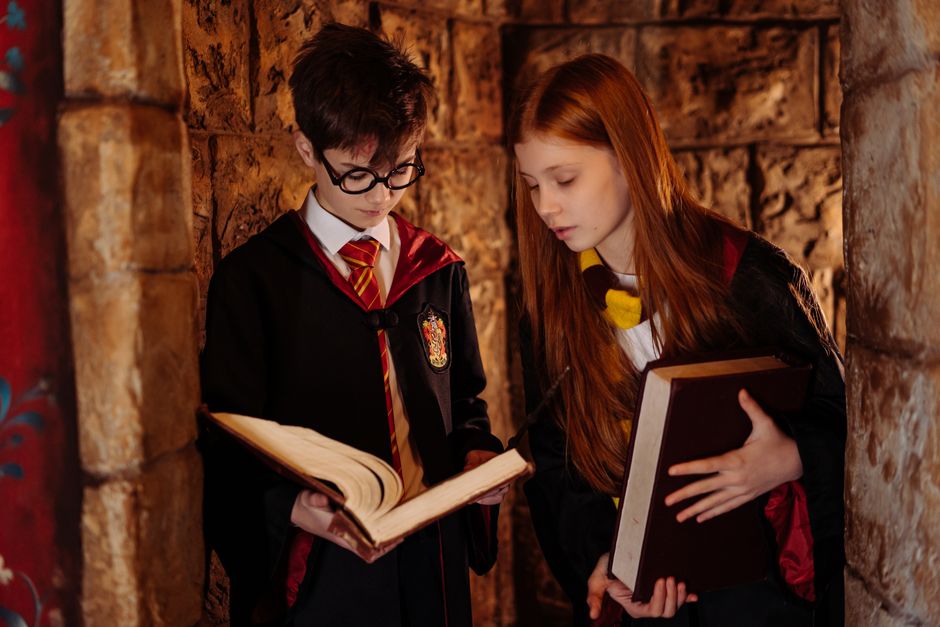
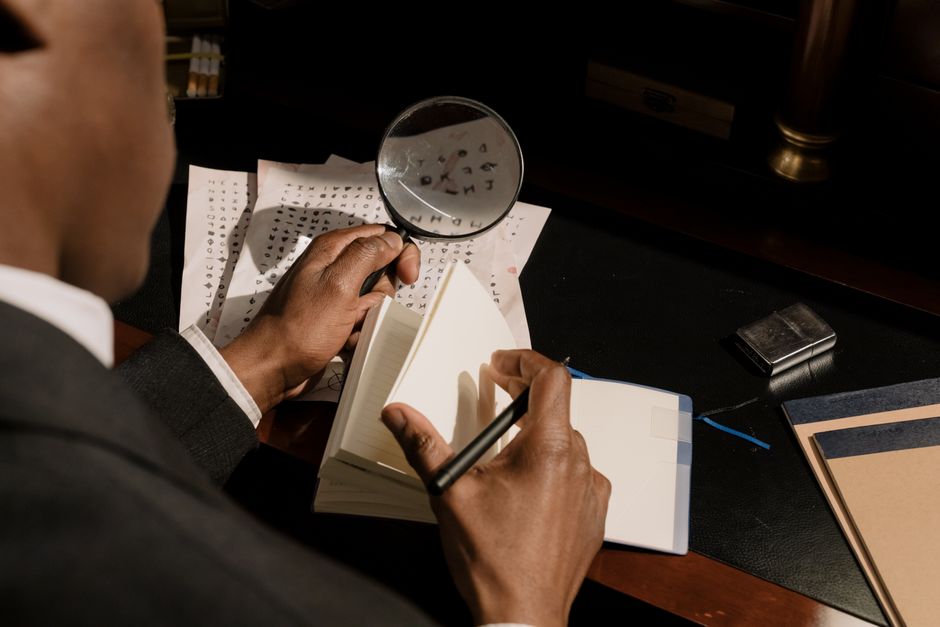
Why Mysteries Click at Age Nine
1. Their brains love solving puzzles
Around eight or nine, children get much better at holding several ideas in their head at once. A mystery asks you to remember a clue from page 10 and match it with a hint on page 80. That “aha!” moment feels amazing — like a tiny firework going off in your mind.
2. They want to feel clever
Older kids love the chance to figure something out before the grown-up character does. Racing the detective to the answer makes a reader feel smart and powerful, which is a wonderful feeling at any age.
3. Mysteries are safe excitement
A spooky old house or a stolen necklace is thrilling — but the reader knows they’re snug and safe. That little shiver of suspense is fun precisely because there’s no real danger.
📖 Big Word: Deduction
Working out the answer by carefully putting together small clues — exactly what a detective does!
Great Mysteries to Dive Into
4. A to Z Mysteries by Ron Roy
Short, snappy cases — one for every letter of the alphabet. Perfect if you’re just starting out and want a quick win.
5. Cam Jansen by David A. Adler
Cam has a “photographic memory” and snaps mental pictures by saying “Click!” Readers love trying to spot the clue she spots.
6. Encyclopedia Brown by Donald J. Sobol
Each story is a mini-puzzle you can solve yourself, with the answer tucked in the back. Brilliant for kids who want to play detective too.
7. The Boxcar Children by Gertrude Chandler Warner
Four siblings solve gentle mysteries together. Great for readers who love teamwork and adventure as much as clues.
8. The Mysterious Benedict Society by Trenton Lee Stewart
A trickier, brainier read for confident nine-to-twelve-year-olds, packed with riddles and secret codes.
🌟 Did You Know?
Sherlock Holmes, the world’s most famous detective, was invented over 130 years ago — and people still write new mysteries about him today!
What Mysteries Secretly Teach
Solving mysteries isn’t just thrilling — it quietly builds some seriously powerful thinking skills. As young readers chase the clues, they practise:
- 🧠 Inference — figuring out what’s not said directly (reading between the lines).
- 🔎 Attention to detail — noticing and remembering the small clues that turn out to matter.
- ⚖️ Critical thinking — weighing the evidence and testing ideas about “whodunnit.”
- 📖 Reading stamina — that “I must know what happens!” pull keeps them turning pages, building the muscle to enjoy longer books.
These are the very same skills that help right across schoolwork — from reading and writing to science and maths!
📖 Big Word: Inference
Figuring out something that isn’t spelled out, using the clues you’re given — like guessing it rained because the ground is wet. Great readers and detectives do it all the time.
For Grown-Ups: Feeding the Mystery Craze
- Keep the next book handy. Once a child loves a series, having the next one ready lets them zip along and build fluency and confidence.
- Guess together. Take turns reading aloud and pause to ask, “What do you think happens next? Who seems suspicious?”
- Let them binge a series. Re-reading and racing through favourites is brilliant for reading skills — not a bad habit!
- Match the level. Start with quick wins like A to Z Mysteries and work up to brainier reads like The Mysterious Benedict Society.
- Read yourself. When children see grown-ups enjoying books, they’re far more likely to love reading too.
Try This: Write Your Own Mini-Mystery
Turn your little reader into a little writer! Help them invent a tiny mystery — a missing biscuit, a muddy footprint by the door. Plan three clues, sneak in one “red herring” (a clue that leads the wrong way on purpose!), and work out the solution. Then test it on a family member and see if they can crack it. Writing mysteries strengthens all the same clue-spotting and inference skills — and it’s wonderfully fun.
Test Your Detective Brain
🤔 Fact or Fib? — tap your guess!
A real detective always solves the case on the very first clue.
Putting clues together to reach an answer is called deduction.
A good mystery hides its clues right out in the open, so you can spot them too.
Frequently Asked Questions
Q: Why do 9-year-olds suddenly love mysteries?
Their brains get better at holding several ideas at once, they love feeling clever by solving the case, and mysteries offer safe, thrilling suspense.
Q: Are mystery books actually good for kids?
Yes! They build inference, attention to detail, critical thinking, and reading stamina — skills that help across every subject.
Q: What is inference?
Working something out from clues, even when it isn’t said directly — a key reading and detective skill.
Q: What are good first mystery series?
Try A to Z Mysteries, Cam Jansen, and Encyclopedia Brown to start, then The Mysterious Benedict Society for confident readers.
Q: How can I help my child read more?
Keep the next book in a series handy, ask “what happens next?”, let them re-read favourites, and let them see you reading too.
📚 Where we learned this (for curious grown-ups):
• Scholastic — Improve Reading Skills With Mystery Books
• Reading Rockets — Inferencing
• Scholastic — Best Mystery Series for Kids
Have a younger reader at home just getting started? Check out our guide to the best books for 6-year-olds starting their reading journey for picks that build the reading habit before the mysteries begin.
Your Turn, Detective!
The best part of a mystery is that you get to solve it alongside the characters. Grab one of these books, keep a notebook handy, and jot down every clue you spot. Who knows — you might crack the case before the last page. Happy sleuthing!