What if you could turn a hard, ordinary egg into a soft, squishy ball that bounces when you drop it? It sounds like magic, but it’s real science — and the only secret ingredient is something already sitting in your kitchen cupboard. Grab a grown-up and let’s make the bounciest egg you’ve ever seen!
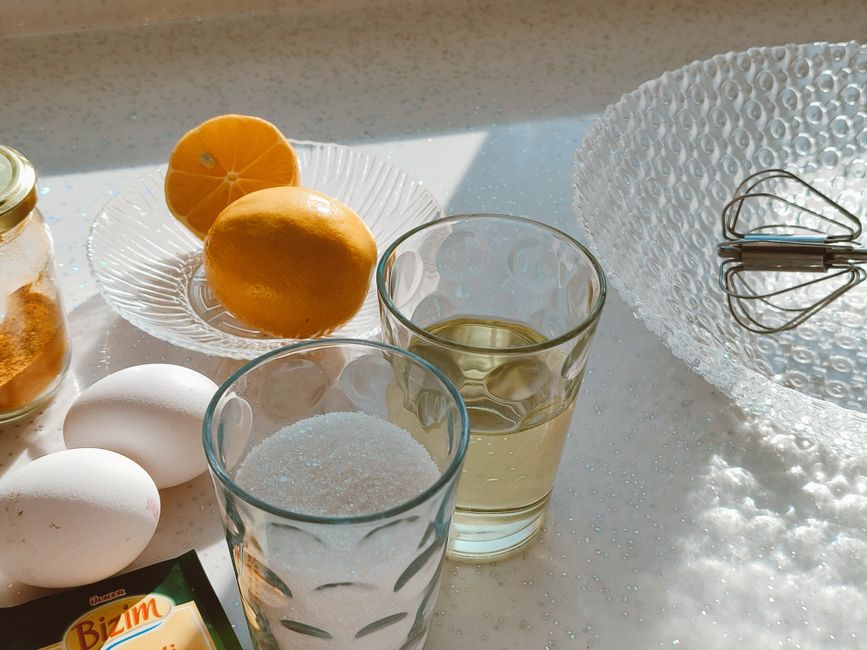
🧪 What You Need
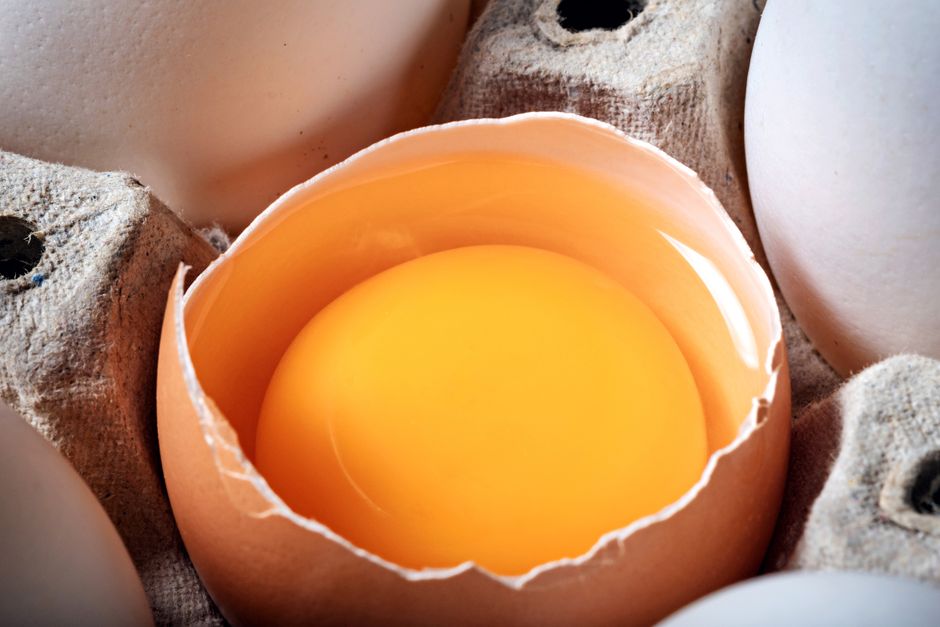
- 1 raw egg
- A clear glass or jar
- Enough white vinegar to cover the egg
- A spoon
- 2–3 days of patience
- Water for rinsing
Let’s Build It — Step by Step
⚠️ Stay Safe
The egg inside is still raw, so do this over a sink or tray and wash your hands afterwards. Don’t eat the bouncy egg, and let a grown-up help with the vinegar.
What’s Going On?
An eggshell is made of a material called calcium carbonate — the same stuff found in chalk and seashells. Vinegar is a weak acid, and acids love to break calcium carbonate apart. Those tiny bubbles you saw were a gas called carbon dioxide escaping as the acid nibbled away at the shell.
After a few days, the whole hard shell has dissolved. What’s left holding the egg together is a thin, stretchy skin called a membrane. Because that skin is bendy instead of hard, the egg can squish and bounce instead of cracking like a normal one.
📖 Big Word: Membrane
A thin, stretchy layer — a bit like a tiny balloon skin — that holds the inside of the egg together once the shell is gone.
The Science Name: A Chemical Reaction
When the vinegar met the shell and started fizzing, you were watching a chemical reaction — that’s when two things mix and turn into something brand-new. Here the acid in the vinegar joined up with the calcium carbonate in the shell and made a gas called carbon dioxide, which floated away as all those tiny bubbles. Bit by bit the hard shell simply dissolved. You’d see the very same fizzing if you dripped vinegar onto a piece of chalk or a seashell — because they’re made of the same calcium carbonate as an eggshell!
📖 Big Word: Chemical Reaction
When substances mix and change into new ones — like vinegar and eggshell turning into fizzy carbon dioxide gas. The bubbles are your clue that a reaction is happening!
Amazing Experiments to Try Next
Now that your egg has no shell, its stretchy membrane lets you do even more cool tricks:
- Make it GROW 🎈 — pop the naked egg in a glass of plain water overnight. By morning it’s puffed up bigger, because water sneaks in through the skin.
- Make it SHRINK 🍂 — put it in thick, sugary corn syrup instead. It goes wrinkly and saggy, because the water sneaks back out.
- Colour it 🌈 — add a few drops of food colouring to the water and watch your egg slowly turn that colour!
This sneaky water-moving trick has a science name: osmosis.
📖 Big Word: Osmosis
Say it “oz-MOH-sis.” It’s when water moves through a thin skin (like the egg’s membrane) from the side with more water to the side with less — which is why the egg can swell up or shrink down.
Think Like a Scientist
Before you try each new test, do what real scientists do: make a prediction first. Will the egg get bigger or smaller? Will lemon juice work as well as vinegar? A smart guess like that is called a hypothesis. Then run your test, watch carefully, and see if you were right. Guessing, testing, and checking — that’s real science, and you’re already doing it!
🧠 Quick Quiz — tap an answer!
1. What is an eggshell mostly made of?
2. Which gas made the tiny bubbles on the shell?
Frequently Asked Questions
Q: Why does vinegar dissolve the eggshell?
Vinegar is a weak acid, and it reacts with the calcium carbonate in the shell — breaking it apart and fizzing out carbon dioxide gas until the hard shell is gone.
Q: Why does the egg bounce instead of cracking?
Once the shell dissolves, only the stretchy inner membrane is left. Because it bends instead of being hard, the egg can squish and bounce.
Q: How long does the experiment take?
About 2–3 days for the shell to fully dissolve in the vinegar.
Q: Can I use lemon juice instead of vinegar?
Yes — lemon juice is also an acid, so it works too (it may just take a little longer). Make a prediction and test it!
Q: Can I eat the bouncy egg?
No — the egg inside is still raw. Do the experiment over a sink or tray and wash your hands afterwards.
📚 Where we learned this (for curious grown-ups):
• American Chemical Society — The Fate of Calcium Carbonate
• Exploratorium — Naked Egg (Chemistry & Osmosis)
• Steve Spangler Science — Growing & Shrinking Egg
You Did It! 🎉
You just used an everyday acid to make the bounciest egg in the kitchen — that’s real chemistry in action! Now try changing one thing: what happens if you leave a bouncy egg in a glass of coloured water overnight? Or what if you use lemon juice instead of vinegar? Make a guess first, then test it like a true scientist.