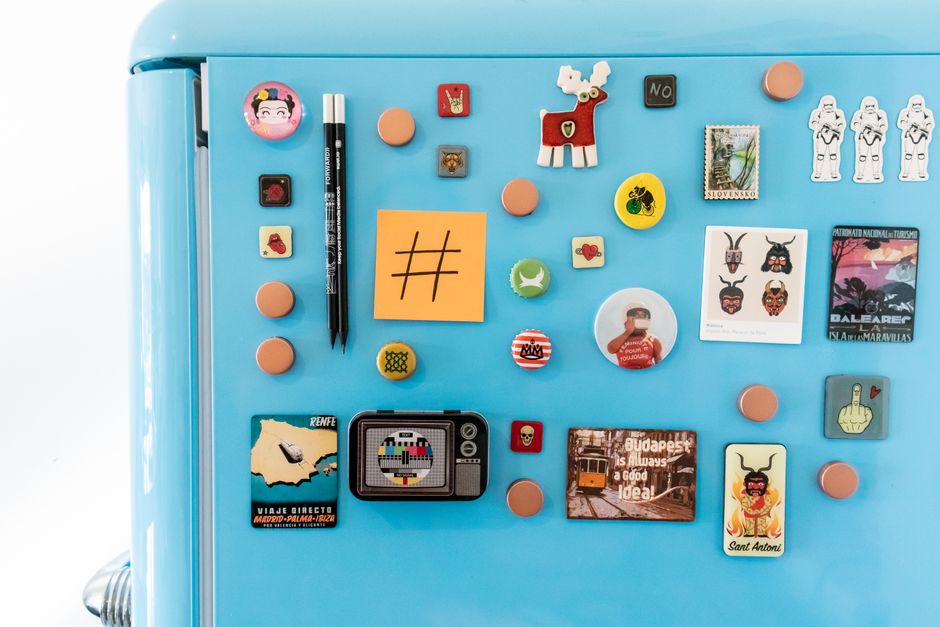
Magnets are like having a tiny bit of invisible magic in your hand! They can grab things, push things, and even stick to your fridge without any glue. Let’s go on a Magnet Treasure Hunt and discover which things a magnet loves to grab. 🧲
🧪 What You Need
- One magnet
- A metal spoon
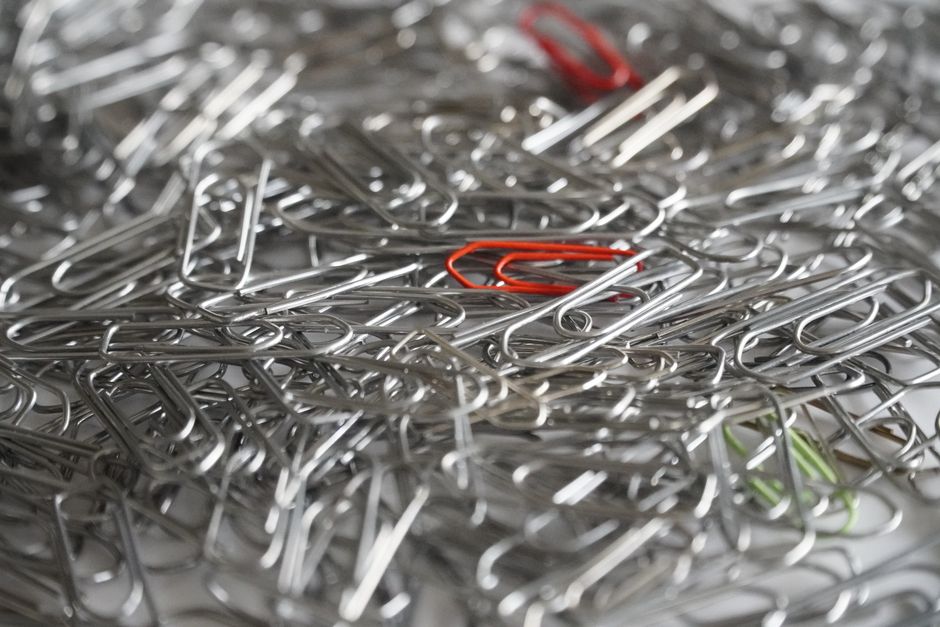
- A paperclip
- A plastic toy
- A wooden block
- A coin
- A small basket or box
- A helpful grown-up
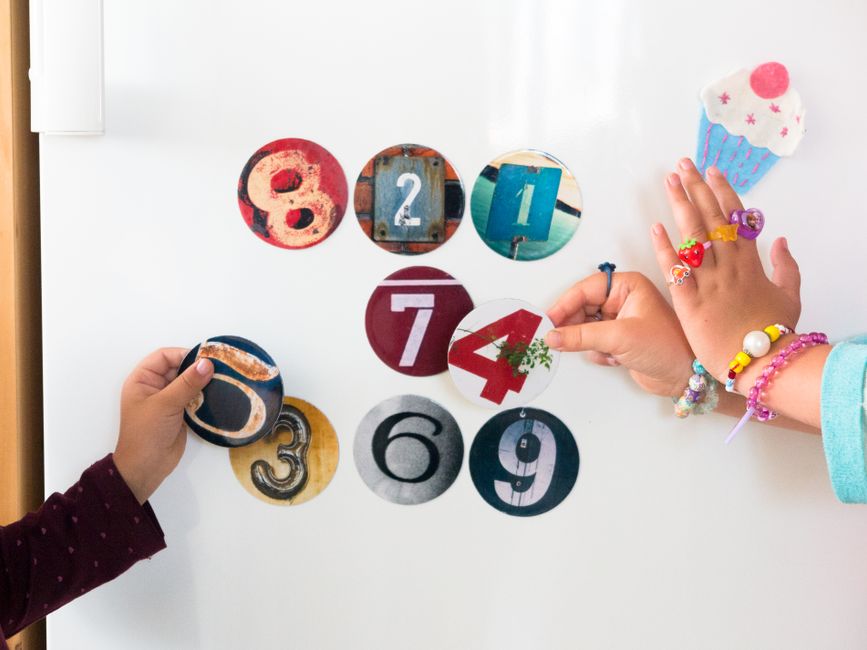
Let’s Go on a Treasure Hunt!
⚠️ Stay Safe
Never put magnets in your mouth — they are not for eating! Keep them away from phones, tablets, and watches, and always do this hunt with a grown-up nearby.
What’s Going On?
A magnet has a special, invisible power called a magnetic force. It loves to grab things made of iron and steel — like your spoon and paperclip. That pulling power is called attraction.
But the magnet doesn’t stick to everything! Plastic toys, wooden blocks, and many coins are not made of iron, so the magnet just slides right off. That’s why some treasures jumped into your basket and others stayed behind.
📖 Big Word: Attraction
When a magnet pulls something toward it — like the magnet is giving it a big invisible hug.
🤯 Whoa, Really?!
The whole planet Earth is like one giant magnet! That’s how a compass always knows which way is North.
Every Magnet Has Two Ends: Poles!
Here’s a magnet’s biggest secret. Every single magnet, no matter how big or small, has two special ends called poles — a North pole and a South pole. These poles have a funny rule about how they treat each other. When you bring the opposite ends together — a North and a South — they snap together with a happy “click!” That’s called attraction. But when you push two of the same ends together — two Norths or two Souths — they refuse to touch and push each other away, as if they’re a bit shy. That pushing-away is called repulsion. Try it with two fridge magnets: flip one over and feel how it goes from “click!” to “nope!”
🧠 Remember this rhyme:
Opposites attract, and the same ones repel — that’s the number-one magnet rule to know really well!
Why Does a Magnet Grab Iron?
Deep inside every magnet are billions of teeny-tiny bits, far too small to see, that each behave like a miniature magnet of their own. In an ordinary spoon these little bits point every which way, all jumbled up, so their powers cancel out. But when a magnet comes close, it lines up all those tiny bits inside the iron so they point the same direction — and suddenly the spoon becomes a little magnet too, gripping right back! This only works with special metals like iron, steel, nickel, and cobalt. It’s a bit like a crowd of people all turning to face the same way at exactly the same moment.
What Sticks — and What Doesn’t?
Now the mystery of your treasure hunt is solved! The spoon and paperclip leapt to the magnet because they’re made of iron or steel. But the plastic toy, the wooden block, the glass, and most coins stayed put — they’re made of materials with no iron inside, so a magnet simply can’t hold them. Even some shiny metals, like the aluminium in a drinks can or the copper in a wire, aren’t magnetic at all. So a magnet is actually very fussy about what it grabs!
📖 Big Word: Magnetic Field
The invisible bubble of pulling-and-pushing power all around a magnet. Sprinkle iron filings near a magnet and you can actually see its field appear!
Magnets Are Everywhere!
Once you start looking, magnets are hiding all around your home and your world. They snap your fridge door shut so it stays closed. They live inside every speaker and pair of headphones, wiggling to make sound. They spin around inside electric motors to power toys, fans, and even electric cars. Giant magnets on cranes lift whole piles of scrap metal at the junkyard, and super-powerful ones make special floating trains glide along without touching the track. And the biggest magnet of all? Our own planet! Earth acts like one enormous magnet, and that’s exactly why a compass needle always swings around to point North.
🧠 Quick Quiz — tap an answer!
1. Which one will a magnet stick to?
2. What do we call a magnet’s pulling power?
Frequently Asked Questions
Q: What materials do magnets stick to?
Mostly iron and steel, plus nickel and cobalt. They do not stick to plastic, wood, glass, aluminium, or copper.
Q: What are a magnet’s two ends called?
The North pole and the South pole.
Q: Why do two magnets sometimes push each other away?
Opposite poles attract, but two of the same poles (North–North or South–South) repel and push apart.
Q: Is the Earth really a magnet?
Yes — Earth behaves like a giant magnet, which is how a compass finds North.
Q: Are magnets dangerous?
They’re safe for experiments, but never swallow them and keep strong magnets away from phones, tablets, and watches.
📚 Where we learned this (for curious grown-ups):
• Britannica Kids — Magnet and Magnetism
• National MagLab — Magnet Academy
• NASA — Magnetic Fields (for kids)
You Did It!
You just used real science to sort your treasures — well done, little scientist! Now try changing one thing: what if you put a magnet near another magnet? Sometimes they snap together with a happy “click,” and sometimes they push each other away like they’re shy. Give it a go and see the magic for yourself! 🧲✨