What if one little table in your living room could turn into a treasure island, a tiny museum, or a place where amazing questions live? A “discovery table” is a special spot where little hands can touch, sort, and wonder about cool things. Let’s build one together!
🧪 What You Need
- A low table or tray
- A soft cloth or mat
- A few small baskets or bowls
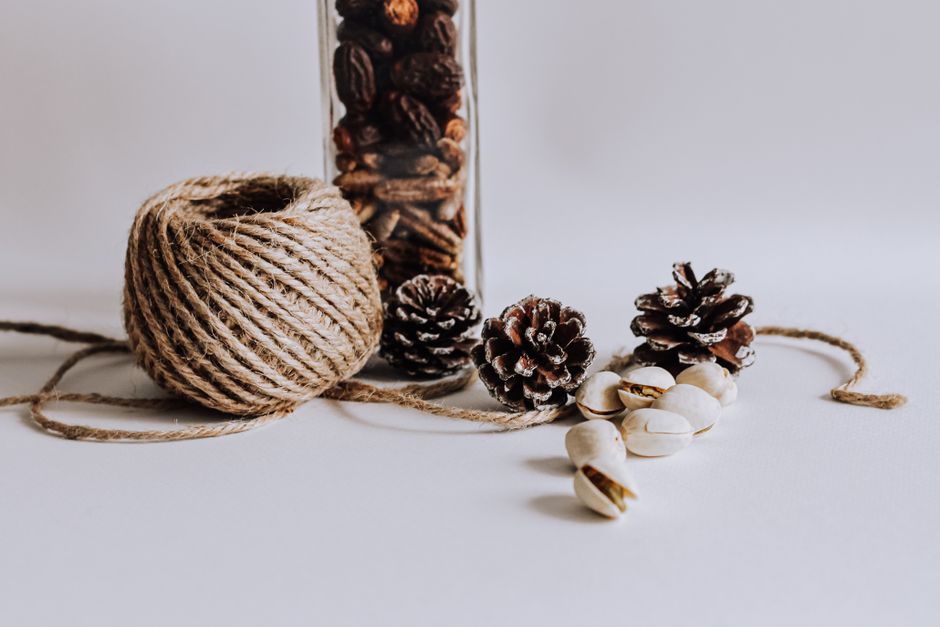
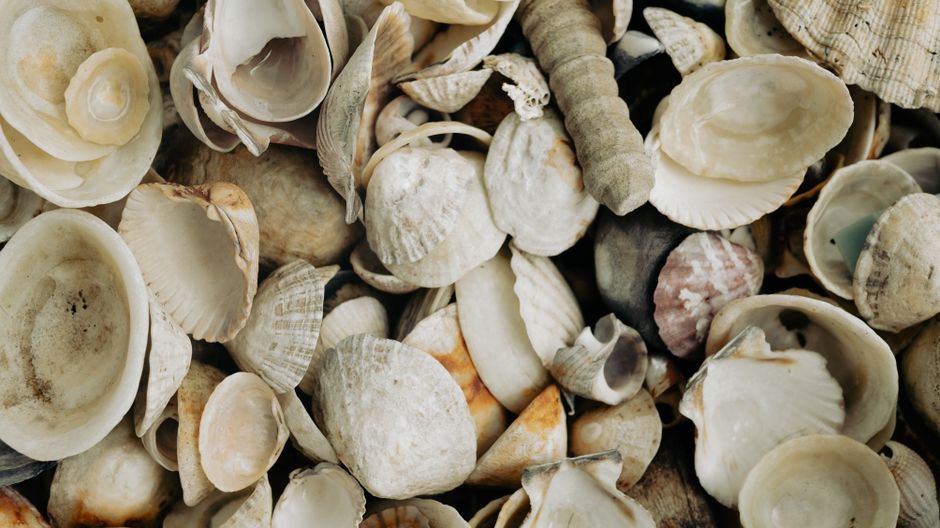
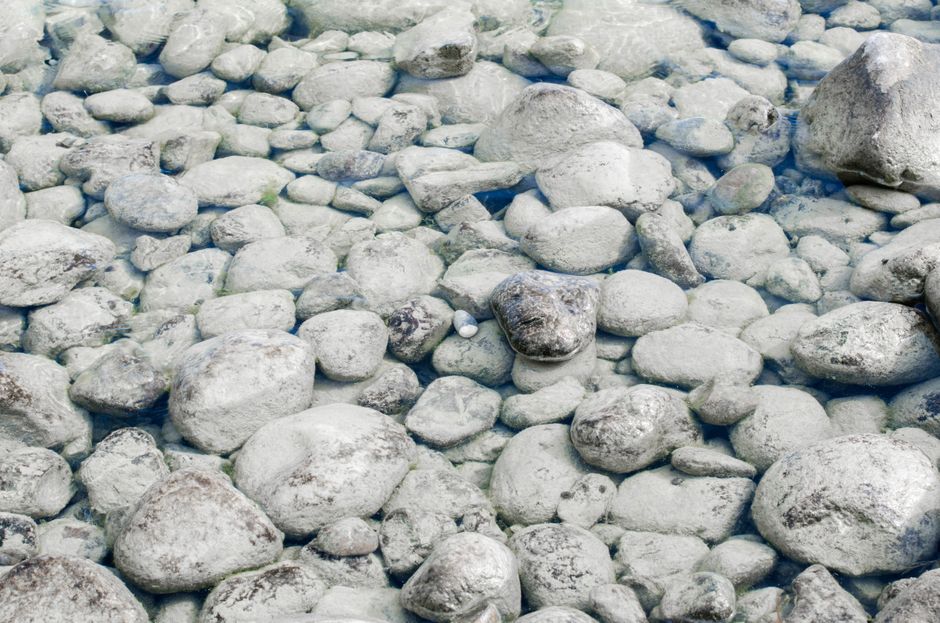
- Safe nature finds (pinecones, big shells, smooth stones)
- A magnifying glass
- A notebook for drawings
Let’s Build It, Step by Step
What’s Going On?
When children touch, sort, and compare real objects, their brains are doing real science! Sorting by colour or size is how we learn to spot patterns. Looking through a magnifying glass shows tiny details our eyes usually miss. And asking “Why is this rock smooth but that one bumpy?” is exactly how scientists start — with a good question. A discovery table turns everyday play into looking, wondering, and learning.
Fun Theme Ideas to Try
The magic of a discovery table is that you can change it whenever you like. Pick a new theme each week to keep the wonder fresh:
- 🌊 Ocean Table — seashells, smooth sea glass, a little sand, and a toy fish.
- 🍂 Autumn Table — crunchy leaves, acorns, conkers, and pinecones.
- 💎 Rocks & Crystals — pebbles of every colour, sparkly stones, and a magnifying glass.
- 👃 Smell Jars — small pots of cinnamon, mint leaves, or dried orange peel to sniff and guess.
- ✨ Shiny Things — buttons, foil, a spoon, and a small mirror.
- 🌱 Seed Sorting — big beans, sunflower seeds, and pips to line up from big to small.
Add Some Extra Magic
A few small touches turn your table into a real little museum. Write tiny name-labels for each treasure. Prop up a “Question of the Week” card, like “Which stone is the smoothest?” Add a picture book that matches the theme, and keep the notebook handy so your child can draw a discovery each day.
Why It’s Great for Little Scientists
All this touching and sorting is doing serious brain-building. Picking up and grouping small objects strengthens little fingers for writing later on. Sorting by colour, size, or shape is the very start of maths — it’s how we learn to spot patterns. Describing a bumpy shell or a shiny pebble grows new words. And asking “I wonder why?” is exactly how real scientists think. Best of all, it’s calm, happy, screen-free play.
⚠️ Stay Safe
Use objects bigger than your child’s fist so nothing can be swallowed. Skip sharp or breakable items, and always have a grown-up nearby. Wash hands after touching nature finds.
🤯 Whoa, Really?!
A single pinecone can open and close its scales depending on the weather — it opens when it’s dry and closes when it’s damp!
🧠 Quick Quiz — tap an answer!
1. What tool helps us see tiny details up close?
2. Sorting objects by colour or size helps us spot…
Frequently Asked Questions
Q: What age is a discovery table for?
Toddlers to about age 7 love it — just match the objects to what’s safe for your child.
Q: What should I put on it?
Safe, interesting things to touch and sort: shells, pinecones, big stones, buttons, or seeds — nothing small enough to swallow.
Q: How often should I change it?
A fresh theme every week or two keeps curiosity bubbling, but there’s no rule — follow your child’s interests.
Q: What if we don’t have a garden?
No problem! A park, a beach, or even a kitchen drawer (spoons, corks, spices) is full of discovery-table treasures.
Q: Is a bit of mess okay?
Yes — a wipe-clean tray or cloth catches the mess, and messy hands are usually a sign of great learning.
📚 Where we learned this (for curious grown-ups):
• NAEYC — Linking Science and Language Learning
• NAEYC — Hands-On Play & Fine Motor Skills
• Smithsonian — Sensory Play
You Did It!
Your living room now has its very own little science spot. The best part? You can change it whenever you like! What if you swapped the stones for autumn leaves, or filled a basket with kitchen spices to smell? Every new treasure brings brand-new questions to discover.