Floating! Gliding! Whooshing across the table on a secret cushion of air! With one old CD, a balloon, and a pop-top cap, you can build a tiny hovercraft that slides like a puck on an air-hockey table. Ready to make something hover? Let’s go. 💿💨
🧪 What You Need
- 1 old CD or DVD
- 1 round balloon
- 1 pop-top sports bottle cap
- Strong glue (grown-up job)
- A smooth, flat table

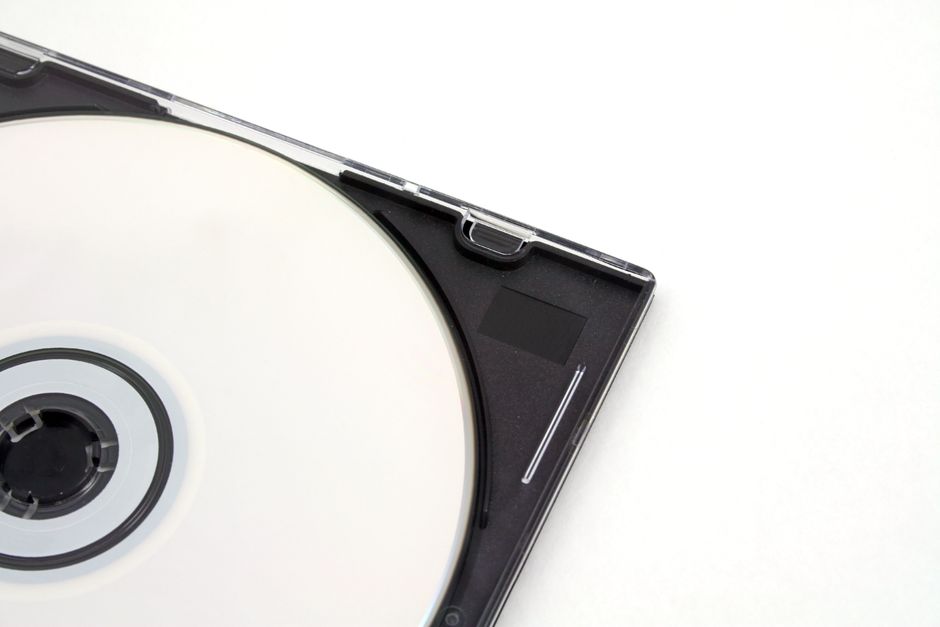

Let’s Build It, Step by Step
⚠️ Stay Safe
Strong glue and old CDs have sharp edges — let a grown-up do the gluing. Un-blown balloons are a choking danger, so keep them away from little brothers, sisters, and pets.
What’s Going On?
When you open the cap, the squeezed-up air inside the balloon rushes out, down through the cap, and out the bottom of the CD. That escaping air spreads into a thin, slippery layer between the CD and the table. The disc lifts just a hair off the surface and rides on its own little pillow of air!
Normally, when two things rub together they grip each other — that grippy, slow-down force is called friction. The cushion of air keeps the CD from touching the table, so there’s almost no friction to stop it. One tiny push and your hovercraft keeps gliding, smooth as ice.
📖 Big Word: Friction
Friction is the rubbing force that slows sliding things down. Less friction means more sliding — that’s the whole secret of a hovercraft!
🤯 Whoa, Really?!
Real hovercrafts work the very same way! Giant ones can carry cars and even buses, floating over water, sand, ice, and mud on a powerful cushion of blown-down air.
Friction: The Force That Grips
Friction happens whenever two surfaces rub together — and it’s actually super useful! Friction lets you walk without slipping, helps your bike brakes stop you, and even warms your hands when you rub them together. Rough surfaces (like carpet, sandpaper, or gravel) have lots of friction, while smooth, slippery ones (like ice, a polished floor, or your air cushion) have very little. Your hovercraft wins the race by floating just a hair above the table, so the two surfaces barely touch — and with almost no friction, one gentle push sends it gliding.
📖 Big Word: Air Cushion
A thin layer of trapped air that lifts something up so it barely touches the ground — letting it glide along with almost no friction. That’s your hovercraft’s secret!
How Real Hovercrafts Work
A real hovercraft — scientists call it an Air-Cushion Vehicle — works exactly like your CD version, just much bigger! It has a powerful fan that blows air downward, and a bendy rubber “skirt” around the bottom that traps the air underneath, just like your balloon pumps air under the CD. That trapped air cushion lets a hovercraft skim right over water, ice, mud, and sand — places where boats and cars would get stuck. Some giant ones are even used as ferries and rescue vehicles, carrying hundreds of people and cars!
Friction: Friend AND Foe
Here’s the clever twist: friction isn’t always the enemy! Sometimes we want less of it (a hovercraft, a slippery slide, ice skates, or oiling a squeaky door) — and sometimes we want more of it (the rubber grips on your shoes, bike tyres that don’t skid, and a car’s brakes). Engineers are always deciding: should this slide easily, or grip tightly?
🔎 Try This: The Surface Race!
Send your hovercraft gliding across different surfaces — a smooth table, a wooden floor, and a carpet. Which one lets it slide the farthest? (More friction = a shorter glide.) Change one thing at a time and you’re running a real science fair test!
🔍 Tap to Reveal!
Frequently Asked Questions
Q: How does the CD hovercraft float?
Air from the balloon rushes out under the CD and spreads into a thin cushion, lifting the disc just off the table so it glides with almost no friction.
Q: What is friction?
The rubbing force that slows sliding things down. Rough surfaces have lots of it; smooth or air-cushioned ones have very little.
Q: Why does one little push make it slide so far?
The air cushion removes almost all the friction, so there’s very little to stop it once it’s moving.
Q: How do real hovercrafts work?
A big fan blows air down, and a rubber skirt traps it underneath — making an air cushion so the craft can glide over water, ice, and sand.
Q: Is friction always bad?
No! We need friction to walk, grip, and brake. We only reduce it when we want something to slide easily.
📚 Where we learned this (for curious grown-ups):
• Science Buddies — How Does a Hovercraft Hover?
• Science Buddies — How Does a Hovercraft Work?
• Britannica — Hovercraft (Air-Cushion Vehicle)
You Did It! 🎉
You just built a real working hovercraft — and discovered how floating on air beats friction. Now experiment like a scientist: what if you use a bigger balloon, a smoother table, or give it a harder push? Time how far it glides each time and see which change makes your hovercraft the floatiest champion of all!