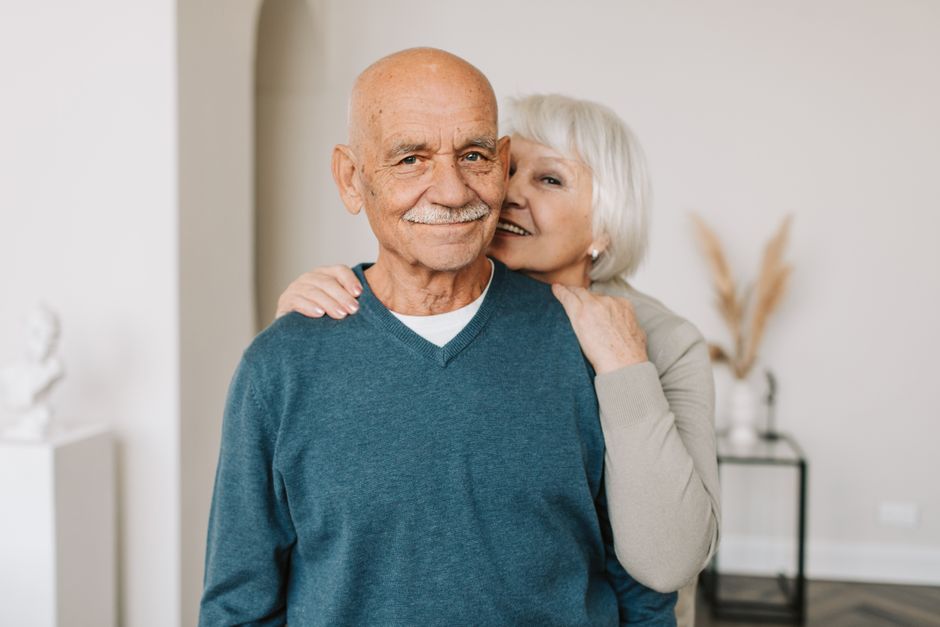
One morning, a girl named Maya stared at her grandpa’s shiny silver hair and asked, “Grandpa, who painted your hair white?” He laughed and said, “Nobody, sweetheart — my hair just ran out of its own special paint.” Maya was puzzled. Paint? Inside your hair? It turns out Grandpa was closer to the truth than you might think.
What Gives Hair Its Colour?
Every strand of hair grows out of a tiny pocket in your skin called a follicle. Deep inside that pocket live tiny helpers that make a colour called melanin. Melanin is the same stuff that gives your skin and your eyes their colour. Some people make lots of dark melanin, so their hair is black or brown. Others make a lighter kind, so their hair is blonde or red. The colour is mixed in before each hair even pokes out of your head — a little like icing being added before a cake leaves the oven.
📖 Big Word: Melanin
The natural colour-maker inside your hair, skin, and eyes. More melanin means darker colour; less means lighter.
So Why Does It Fade?
Here is the secret Grandpa was hinting at. The tiny colour-makers in your follicles don’t work forever. As you grow older, year after year, they slowly get tired and start to take breaks. When a follicle makes less melanin, the new hair growing out of it has less colour — so it looks softer and lighter. When a follicle stops making melanin altogether, the hair that grows has no colour left at all.
Hair with no colour isn’t really white like paint. It is actually clear, like a thin thread of glass. When light bounces off lots of these clear strands all together, our eyes see them as silver, grey, or snowy white. So your grandpa really did “run out of paint” — his follicles simply stopped adding the colour.
Why Does It Happen Bit by Bit?
You don’t wake up one day with a whole head of grey hair. It happens slowly because your follicles don’t all stop at the same time. One strand here, one strand there gives up its colour, while its neighbours keep going strong. That is why people often get a few grey hairs first — sometimes called “salt and pepper” — before more and more strands turn silver over many years.
🌟 Did You Know?
Greying is mostly decided by your family. If your parents and grandparents went grey early, you might too — it’s written in the tiny instruction book called DNA that you were born with.
Can Anything Speed It Up?
You might hear someone joke, “You gave me grey hairs!” after a stressful day. Scientists are still exploring how feelings like worry connect to hair colour, but the biggest reason hair turns grey is simply time and the instructions inside your body. It is a completely normal, healthy part of growing older — not a sign that anything is wrong. In fact, many animals go grey too. Older dogs often get silvery whiskers and fur around their faces, just like people do.
Meet the Colour Factory: Melanocytes
The tiny colour-makers deep in each follicle have a proper science name: melanocytes. Think of them as little paint factories with their very own team of helper cells standing by. They actually mix just two shades — a dark brown-black paint and a reddish-gold paint — and by blending different amounts, they create every hair colour in the world, from jet black to golden blonde to fiery red. Each melanocyte squirts its colour into a hair while the hair is still being built, so by the time the strand pokes out of your head, its colour is already locked in.
Where Does the Colour Really Go?
As the years pass, the helper cells that make fresh melanocytes slowly run low, so the paint factories can’t be replaced as fast as before. On top of that, a tiny amount of a natural bleach (a bit like the stuff that lightens swimmers’ hair in a sunny pool) can build up inside older follicles and fade the colour from the inside out. Put those two things together, and the hair growing in simply arrives with less and less paint — until, one day, none at all.
🤯 Whoa, Really?!
A single hair can’t change colour once it has grown — so a hair that started brown stays brown until it falls out. Greying only shows up in the new hairs growing in!
Do Animals Go Grey Too?
You’re not the only creature whose colours fade with age. Older dogs often grow silvery whiskers and a frosty muzzle, horses can turn dappled and pale, and even wild chimpanzees and gorillas go grey as they get older. Greying is simply a normal part of growing up — and growing old — all across the animal kingdom.
Frequently Asked Questions
Q: What makes hair its colour?
A natural pigment called melanin, made by tiny cells (melanocytes) inside each follicle.
Q: Why does hair go grey with age?
The colour-making cells slowly run low, so new hairs grow in with less pigment — and eventually none.
Q: Is grey hair actually white?
No — a hair with no pigment is really clear, and it only looks silvery-white when light bounces off lots of strands together.
Q: Will I go grey at the same age as my parents?
Often, yes — when you go grey is mostly decided by the genes you inherit from your family.
Q: Can worrying really turn your hair grey?
Scientists are still studying the link, but the main reason is simply age and your genes — not a bad day!
📚 Where we learned this (for curious grown-ups):
• Harvard Health — Why does hair turn gray?
• Live Science — Why does hair turn gray?
• MedlinePlus Genetics — Is hair color determined by genetics?
The Big Idea
Grey hair is your body’s gentle way of showing the years you’ve lived. The colour-makers inside each follicle quietly hand in their paintbrushes one by one, and clear strands take their place that shine silver in the light. So the next time you spot a sparkly grey hair on someone you love, you’ll know the real story — and you can tell them all about the tiny paint factories that worked so hard for so many years.