Take a close look at the tip of any finger. See those tiny swirls, loops and curvy lines? Those are your fingerprints — and almost everyone has a story about what they’re for. “They help you grip!” “Twins have the same ones!” Some of those stories are true… and some are sneaky myths. Let’s play detective and bust a few!
Myth #1: Fingerprints Are Only for Gripping
Myth #2: Twins Have Matching Fingerprints
Myth #3: Your Fingerprints Change As You Grow
📖 Big Word: Unique
Something that is unique is the only one of its kind. Your fingerprints are unique — no one else on Earth has the exact same ones.
So What’s Actually True?
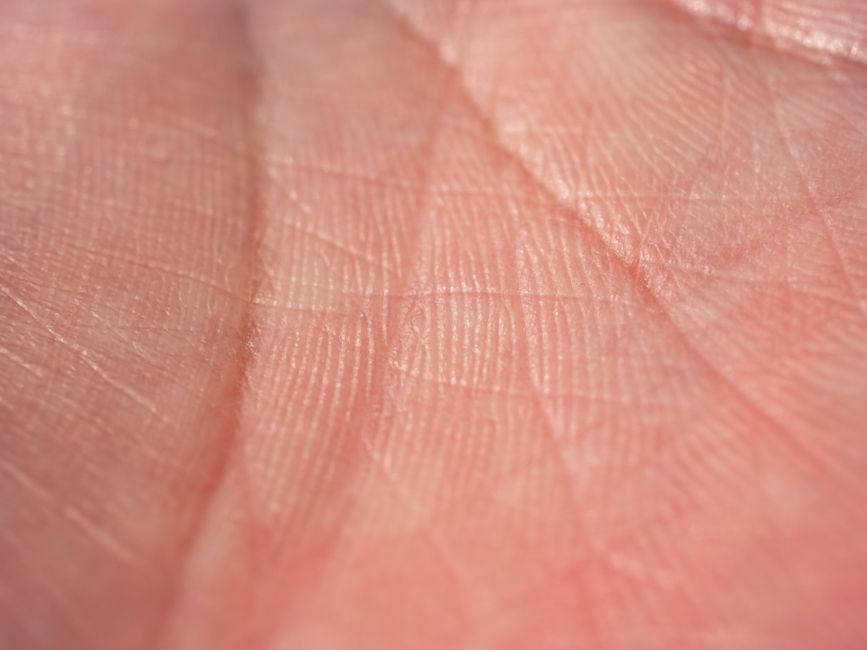
Here’s the real scoop. Fingerprints are made of tiny ridges in your skin that form long before you’re born. They help you feel the world around you, and they may help with grip on some surfaces too. Best of all, they are completely yours — a secret pattern that belongs to you and you alone. That’s exactly why police use fingerprints to figure out who touched something!
🌟 Did You Know?
Koalas have fingerprints too — and they look so much like ours that they could fool a detective! They’re one of the only animals with prints almost exactly like a human’s.
The Three Fingerprint Patterns
Even though everyone’s prints are one-of-a-kind, they come in three main pattern families:
- 🔁 Loops — ridges that curve in and swoop back out the same side. These are the most common: about 6 in every 10 people have them!
- 🌀 Whorls — round, swirly, target-like circles.
- ⛰️ Arches — ridges that rise up into a little hill and flow across. These are the rarest.
Look closely at your own ten fingers — which patterns can you spot? You might even have a mix of all three!
📖 Big Word: Ridges
The tiny raised lines of skin on your fingertips (the little dips between them are called furrows). Together they make the swirly pattern of your fingerprint.
How Detectives Use Fingerprints
Because everyone’s prints are unique and never change, they’re perfect for solving mysteries! When you touch something, your fingertips leave behind an almost-invisible print, made from the natural oils and sweat on your skin — detectives call it a “latent print.” They gently brush it with fine powder to make it appear, then compare the loops, whorls, and arches to work out exactly who was there. People have used fingerprints to identify each other for well over 100 years — ever since scientists first proved that everyone’s are different!
Try This: Be a Fingerprint Detective
- 🔍 Take your print: press a fingertip on an ink pad (or scribble a dark pencil patch and rub your finger on it), then press onto paper. Look with a magnifying glass — is it a loop, a whorl, or an arch?
- 👨👩👧 Compare: take everyone in the family’s prints — every single one is different, even twins!
- 🫧 Hunt hidden prints: press a slightly greasy finger onto a shiny glass, then tilt it toward the light to spot the smudgy print you left behind.
🤔 Fact or Fib? — tap your guess!
No two people have the same fingerprints.
Your fingerprints change into brand-new patterns every birthday.
Fingerprints help your skin feel different textures.
Frequently Asked Questions
Q: What are fingerprints for?
Mostly to help you feel textures — the ridges make tiny vibrations as you touch things — and they may help with grip on some surfaces too.
Q: Does anyone share my fingerprints?
No one! Your prints are unique — not even an identical twin has the same ones.
Q: What are the three fingerprint patterns?
Loops (the most common), whorls (swirly circles), and arches (the rarest). Most people have a mix.
Q: Do my fingerprints change as I grow?
No — the pattern forms before you’re born and stays the same your whole life; it just gets bigger as your hands grow.
Q: Why do detectives use fingerprints?
Because they’re unique and never change, the print you leave behind can show exactly who touched something.
📚 Where we learned this (for curious grown-ups):
• Britannica — Fingerprint (Patterns & Facts)
• Britannica — Fingerprinting & Identification
• Nemours KidsHealth — Your Skin
Now You Know!
Fingerprints aren’t just for grabbing things — they help you feel, they’re yours forever, and not a single other person (not even a twin) shares your exact pattern. Next time you press your thumb onto a frosty window, give those little swirls a wave. They’ve been with you since before you were born!