Buckle up, because the week is hiding a secret — nobody actually discovered that there are seven days. People chose seven, thousands of years ago, and almost the whole world has agreed ever since. Here are four facts that make the seven–day week one of the strangest counting tricks humans ever invented.
Seven sky lights
Long ago, people could see seven moving lights in the sky — the Sun, the Moon, and five bright planets — and gave one day to each.
Almost everyone agrees
Different countries, different languages — yet nearly the whole planet uses the very same seven–day week today.
A moon clue
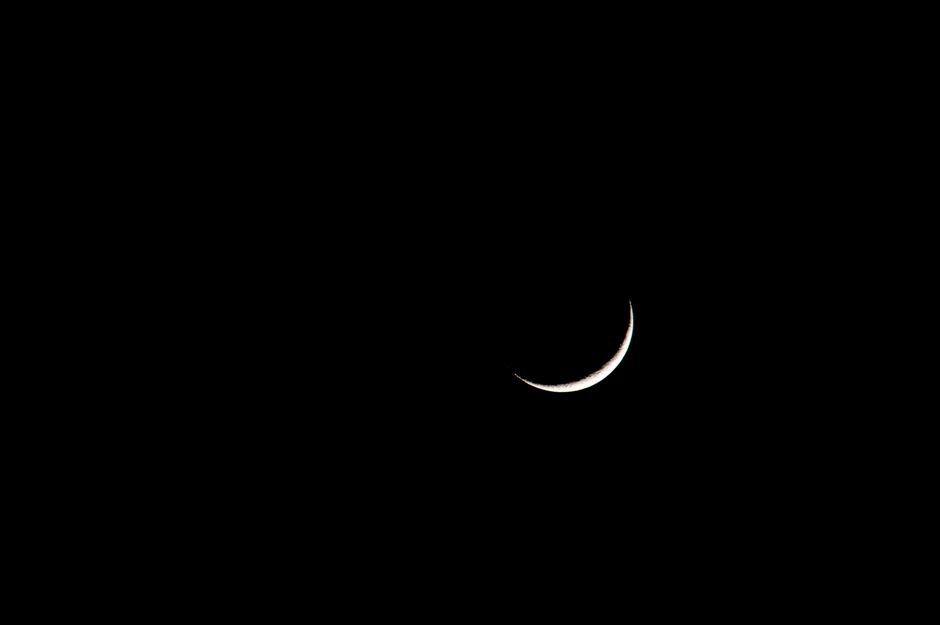
The Moon changes shape over about a month, and a quarter of that is close to seven days — one handy chunk of moon–time.
It never stops
The week just keeps looping — it doesn’t care about months or years, so it has rolled on unbroken for a very, very long time.
Days named after the sky
Here is the wildest part: the days of the week are named after those seven sky lights. In English, Sunday belongs to the Sun and Monday belongs to the Moon. Some of the other names come from old gods, but in many languages the link to the planets is even clearer — in Spanish, Tuesday is “martes,” named after Mars. So every time you say a day’s name, you’re really pointing at something far out in space!

🤯 Whoa, Really?!
People have tried changing the week! Some countries once tested weeks with ten days or even five days — but folks missed their familiar seven–day rhythm so much that the change never stuck.
Why not eight, or ten?
You might think a tidy number like ten would be easier. But seven had already been used for so long, by so many people, that it became a habit the whole world shared. A week isn’t tied to the Sun like a day, or to the Moon like a month — it’s the one piece of the calendar that humans simply agreed on and kept. That makes seven a number we chose with our minds, not one nature handed us.
The Ancient Skywatchers Who Started It
Let’s travel back thousands of years to ancient Babylon (a land in the Middle East). Skywatchers there noticed seven special “wandering” lights that slowly drifted against the background stars: the Sun, the Moon, and the five planets you can spot without a telescope — Mercury, Venus, Mars, Jupiter, and Saturn. They believed seven was a magical, important number, so they gave each of these seven lights its very own day. Much later the Romans used the seven-day week all across their enormous empire — and from there it spread to almost the whole world.
📖 Big Word: Astronomer
Say it “uh-STRON-uh-mer.” It’s a person who studies the Sun, Moon, planets, and stars. The very first astronomers, long ago, are the ones who gave us our seven-day week!
A Secret Hiding in the Day Names
The sky link is hiding in the names themselves! Sunday is the Sun’s day, Monday is the Moon’s day, and Saturday is Saturn’s day. The other four English names come from old Norse and Anglo-Saxon gods who were matched to the planet-gods: Tuesday from Tiw (a war god, like Mars), Wednesday from Woden, Thursday from Thor (the thunder god, like Jupiter), and Friday from the goddess Frigg (like Venus). In French and Spanish the planets shine through even more clearly — Monday is “lundi / lunes” (the Moon) and Tuesday is “mardi / martes” (Mars)!
The Same Week, All Over the World
Almost every country on Earth uses the seven-day week — but here’s a funny thing: they don’t all agree which day comes first! Some calendars start the week on Sunday, others on Monday. And different people take their rest day on different days — many rest on Sunday, some on Saturday, and some on Friday. Most amazing of all, this seven-day loop has rolled round and round without ever stopping once for about 2,000 years.
🧠 Quick Quiz — tap an answer!
1. Where do the names of the days come from?
2. What makes the week special compared to a day or a month?
Frequently Asked Questions
Q: Why are there seven days in a week?
Ancient Babylonian skywatchers saw seven special lights in the sky — the Sun, Moon, and five planets — and gave each its own day. The Romans then spread the seven-day week worldwide.
Q: Where do the day names come from?
From those seven sky lights and old gods linked to them — like Sunday (Sun), Monday (Moon), Saturday (Saturn), and Thursday (Thor).
Q: Is the week based on nature like a day or a month?
Not quite — a day comes from Earth spinning and a month from the Moon, but the week is a length of time people chose and agreed to keep.
Q: Does everyone start the week on the same day?
No! Some countries start on Sunday and others on Monday, and rest days differ too — Sunday, Saturday, or Friday.
Q: Has anyone tried a different-length week?
Yes — some countries tested 5-day and 10-day weeks, but people missed the familiar seven-day rhythm so much that it never stuck.
📚 Where we learned this (for curious grown-ups):
• Britannica — The Week: Origin & History
• Royal Museums Greenwich — Why Seven Days in a Week?
• timeanddate.com — Why Are There 7 Days in a Week?
Keep Looking Up!
So the next time someone asks what day it is, remember — you’re naming a star, a moon, or a planet, and joining a count that people have kept going for thousands of years. Seven little days, looping round and round forever. Pretty amazing for a number we made up!