Here’s a secret about almost everything around you: it started as a single idea inside someone’s head. The wheel, the light bulb, the bicycle, even the humble pencil — each one began as a tiny “what if?” that grew into something that changed how people live.
An invention is a brand-new thing that nobody made before. Some took years of trying and failing. Some happened completely by accident! Let’s take a tour through history and meet the ideas that reshaped the world.

Inventions That Moved People & Ideas
1. The Wheel
Thousands of years ago, someone realised a round shape rolls instead of drags. The wheel made carts, mills, and later cars and trains possible. It is one of the oldest big ideas we know of — and we still use it everywhere today.
2. The Printing Press
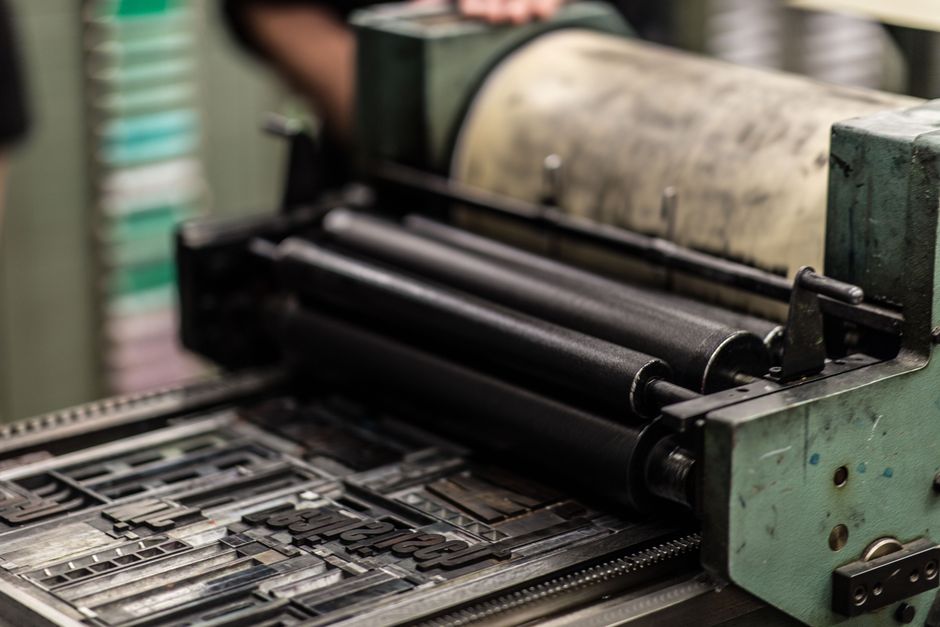
Before printing, every book was copied out slowly by hand. The printing press could stamp pages quickly, so books became cheaper and more people learned to read. Ideas could now travel from country to country faster than ever.
3. The Bicycle
The bicycle gave ordinary people the freedom to travel far using only their own legs. It is clever engineering: gears, balance, and round wheels working together so a small push of the pedals carries you a long way.
🌟 Did You Know?
Many inventions are really “improvements” on older ones. Cars borrowed wheels from carts, and computers borrowed ideas from old counting machines!
Inventions That Light Up Our World
4. The Light Bulb
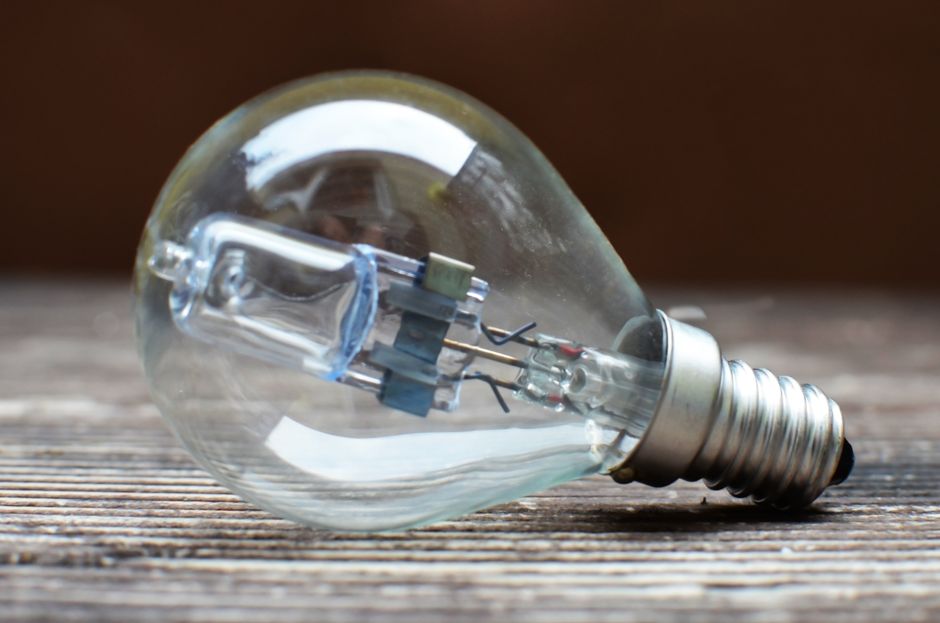
Turning night into day sounds like magic, but it took many inventors testing hundreds of materials to make a glowing bulb that lasted. Electric light let people read, work, and play long after the sun went down.
5. The Telephone
Imagine only being able to talk to someone if they stood right next to you. The telephone carried voices across wires for the first time, shrinking the world so families and friends could chat from far apart.
6. The Computer
Early computers were room-sized machines that did sums faster than any human. Over time they shrank smaller and smaller — until one could fit in your pocket. Now they help us learn, draw, play, and explore.
Inventions Discovered by Happy Accident
Not every invention came from careful planning — some of the most important ones were total surprises! The trick was that a curious person noticed the “mistake” instead of ignoring it:
- Penicillin — a scientist named Alexander Fleming left a dish of germs out by accident, and a fuzzy mould grew on it. Instead of binning it, he looked closely and saw the mould was killing the germs. That mould became the first medicine to fight nasty infections and has saved millions of lives.
- The Microwave Oven — an engineer named Percy Spencer was working near powerful radio-wave equipment when he noticed a chocolate bar melting in his pocket. “What could do that?” he wondered — and the microwave oven was born.
- Sticky Notes — a scientist was trying to make a super-strong glue but ended up with a weak, peel-off one. Years later someone realised it was perfect for little notes you can stick and unstick — and Post-it Notes were invented!
📖 Big Word: Prototype
Say it “PRO-toh-type.” It’s the very first try-out version of an invention — a rough model an inventor builds to test whether their idea actually works before making the real thing.
How an Idea Becomes a Real Invention
Inventors follow a clever recipe, step by step — and you can too:
- Spot a problem — something that’s tricky or annoying.
- Ask “what if?” — imagine a way to fix it.
- Build a prototype — make a first rough version to try out.
- Test it — see what works and what flops.
- Fix and improve — change one thing and test again.
Here’s the important part: inventors fail lots of times before they succeed. The teams working on the light bulb tested hundreds of different materials before finding one that glowed for a long time. Every flop taught them something new — so a mistake isn’t the end, it’s a clue!
You Can Be an Inventor Too!
The next big idea really could be yours. Try this: keep an “idea notebook” and jot down any little thing that annoys you — then doodle a gadget that would fix it. Build a model out of cardboard, tape, and bits from the recycling box. Test it, tweak it, and don’t worry when it wobbles the first time. Every great inventor started exactly where you are now: curious, and brave enough to try.
🤔 Fact or Fib? — tap your guess!
The wheel was invented after the car.
The printing press helped more people learn to read.
Some inventions happened completely by accident.
Frequently Asked Questions
Q: What is an invention?
A brand-new thing that nobody made before — created to solve a problem or make life easier, like the wheel, the light bulb, or the computer.
Q: Were any inventions made by accident?
Yes! Penicillin (from a mouldy dish), the microwave oven (from a melted chocolate bar), and sticky notes (from a weak glue) were all happy accidents.
Q: What is a prototype?
The first rough try-out version of an invention, built to test whether the idea works before making the real one.
Q: Do inventors get it right the first time?
Almost never — they fail many times and improve step by step. Every mistake teaches them something useful.
Q: How can a kid become an inventor?
Stay curious, keep an idea notebook, spot everyday problems, and build and test models — and don’t be afraid to make mistakes.
📚 Where we learned this (for curious grown-ups):
• Smithsonian Lemelson Center — Accidental Inventions (Microwave & Post-it)
• Science History Institute — Alexander Fleming & Penicillin
• Britannica Kids — Alexander Fleming
Your Turn!
Every inventor was once a kid who asked questions and wasn’t afraid to try. The next world-changing idea could come from a doodle in your notebook or a “what if?” you wonder on the way to school. Keep asking, keep tinkering — one of your ideas might be the one that changes the world!