On a sunny afternoon, a little girl named Maya spins in circles until she tumbles giggling onto the grass. She climbs, hops, wobbles on one foot, and chases a beach ball across the garden. It looks like pure play — but inside her busy little body, something amazing is happening. Every wobble and hop is quietly helping her brain grow stronger.
The Body and Brain Are a Team
We often think of moving and thinking as two different jobs — one for the legs, one for the head. But for a young child, they are deeply connected. When children run, balance, and reach, their brains are firing off thousands of tiny messages, learning how the world works and how to control their own bodies in it.
Every time Maya catches a ball, her brain measures speed, distance, and direction in a flash. Every time she balances on a log, her brain is solving a little puzzle: how do I stay up? Movement gives the brain real problems to chew on — and the brain loves a good problem.
Why Movement Helps Thinking
When children are active, their hearts beat faster and send fresh, oxygen-rich blood up to the brain. A well-fed brain is a happy, alert brain — ready to notice, remember, and imagine. That’s one reason a wiggly child often focuses better after a good run-around, not worse.
Active play also builds skills that look nothing like exercise. Stacking blocks strengthens little fingers for holding a pencil one day. Hopscotch teaches counting and order. Dancing to a song helps a child hear rhythm and patterns — the very same patterns hiding inside music, maths, and language.
📖 Big Word: Coordination
This means getting different body parts to work together smoothly — like your eyes and hands teaming up to catch a ball.
How Play Builds a Stronger Mind
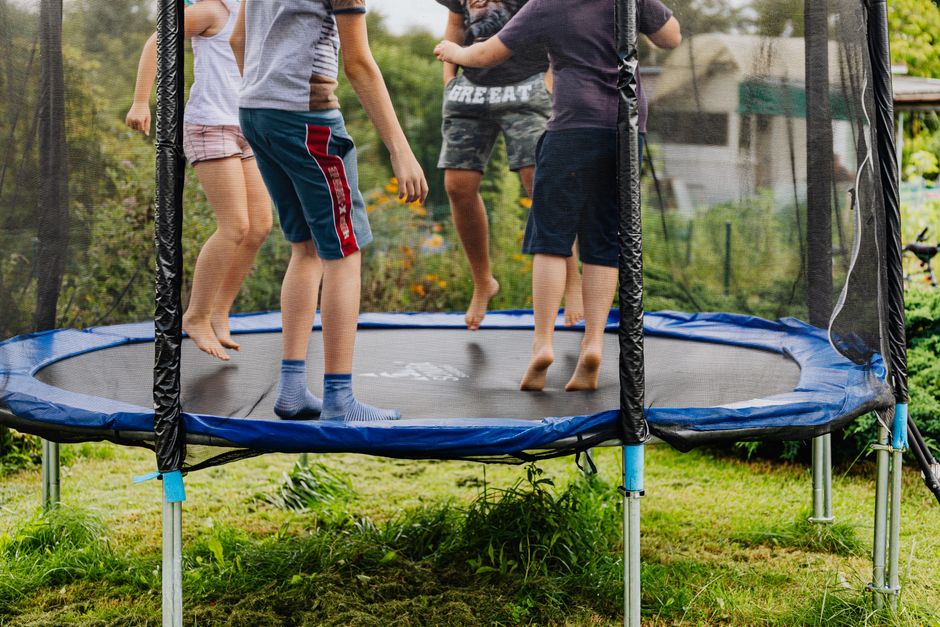
The richest learning happens when children move and think at the same time. Pretending to be a hopping frog, building a fort, or weaving through a homemade obstacle course asks a child to plan, remember the rules, and adjust when things change. These are the same thinking muscles used later for reading, problem-solving, and getting along with friends.
And there’s a feelings side too. Movement helps children let off steam, sleep better, and feel proud when they master something new. A calm, confident child finds it far easier to learn.
🌟 Did You Know?
In the early years, a child’s brain forms connections faster than at almost any other time in life — and joyful, active play is one of the best ways to spark them.
How Much Moving Do Kids Need?
So how much wiggling, running, and hopping should a child get? Experts have a simple answer: children (about 6 and older) should aim for around 60 minutes of active play every single day — anything that gets them puffing, like running, climbing, dancing, or chasing a ball. Toddlers and preschoolers should be busy and active on and off all through the day. And here’s the good news for busy families: it doesn’t have to happen all at once — lots of short bursts of play add up to the same happy total.
📖 Big Word: Gross Motor Skills
These are the big-body movements — running, jumping, climbing, and throwing — that use your large muscles. (The tiny finger movements, like holding a pencil, are called fine motor skills.)
Brain-Boosting Games to Play
The very best movement games make the body and the brain work together. Try these:
- 🏃 Obstacle courses — planning the path and remembering the order.
- 🎵 Freeze dance / musical statues — listening carefully and practising self-control.
- 🔢 Hopscotch — counting, balance, and taking turns.
- 🐻 Animal walks (bear crawl, frog hop, crab walk) — coordination and giggles.
- ⚽ Ball games — hand-eye coordination and guessing where it will go.
- 🗣️ Simon Says — listening hard and following the rules.
For Grown-Ups: Making Movement a Daily Habit
- Aim for active play every day — and get outside whenever you can.
- Join in! Children move a lot more when the grown-ups around them are moving too.
- Break up sitting — add a quick movement break during long stretches of screen time or homework.
- Keep it playful, never a chore — fun is what keeps kids coming back.
- Remember the focus boost: a good run-around before homework can actually help a child concentrate, not distract them.
Frequently Asked Questions
Q: How does moving help a child’s brain?
Active play sends fresh, oxygen-rich blood to the brain and gives it real problems to solve — boosting focus, memory, and learning.
Q: How much physical activity do children need?
Children aged about 6+ should get around 60 minutes of active play a day; toddlers and preschoolers should be active on and off throughout the day.
Q: Does it have to be all at once?
No — lots of short bursts of play throughout the day add up to the same benefit.
Q: Can exercise really help with schoolwork?
Yes — research shows a burst of active play can improve thinking and focus right afterward, which is why a wiggly child often concentrates better after a run-around.
Q: What games build both body and brain?
Obstacle courses, freeze dance, hopscotch, Simon Says, animal walks, and ball games — all mix movement with thinking.
📚 Where we learned this (for curious grown-ups):
• CDC — Physical Activity Guidelines for Children
• CDC — Health Benefits of Physical Activity for Children
• HealthyChildren.org (AAP) — Encouraging Physical Activity
The Big Idea
So the next time you see a child spinning, climbing, or hopping until they flop down laughing, remember Maya in the garden. That isn’t a break from learning — it is learning. A moving body grows a thinking mind, and the simplest gift we can give a young child is the time, space, and freedom to play.