Sticky fingers, wobbly “thank yous,” and a hundred questions a day — little children are bundles of feeling, and gratitude is one of those feelings just waiting to grow. But a few popular beliefs about teaching it to young kids simply aren’t true. Let’s bust them, then look at the gentle daily rituals that really work.
🌟 Did You Know?
Children learn gratitude mostly by copying the grown-ups around them. When your child hears you say a genuine “I’m so thankful it stopped raining!” they quietly file it away — and start doing it too.
So What’s Actually True?
Gratitude isn’t a lesson you finish — it’s a habit you practise together, in small, cosy moments. The trick is to make noticing the good stuff a normal part of the day. Here are a few simple rituals families love:
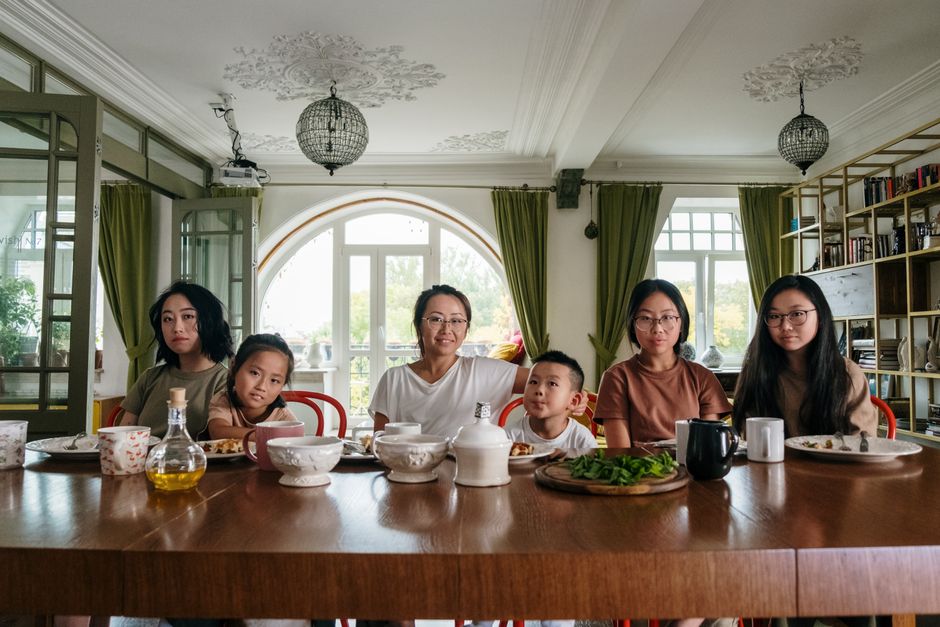
- “Rose of the day.” At dinner, everyone shares one good thing that happened. Even “my apple was crunchy” counts!
- Bedtime thank-yous. Before sleep, name three things you were glad about today — you go first, so your child hears how it sounds.
- Thank the helpers. Out loud, point out the people who help us: the bus driver, the cook, the friend who shared.
- A “thank-you” drawing. Let your child scribble a picture for someone they appreciate. The feeling matters more than the spelling.
Keep it short, keep it warm, and let it be a little different each day. A ritual that feels like a chore stops being gratitude — one that feels like a treat sticks for life.
Why Gratitude Is Good for You
Gratitude isn’t just good manners — it’s genuinely good for you! Scientists have found that people who regularly notice what they’re thankful for tend to feel happier and more hopeful, worry a little less, and are kinder to the people around them. For children, growing a “gratitude habit” is linked to a sunnier outlook, stronger friendships, and even enjoying school more. Not bad for a feeling that costs nothing at all!
📖 Big Word: Gratitude
Say it “GRAT-ih-tood.” It’s the warm, happy feeling of noticing and being thankful for the good things — and the kind people — in your life.
How Gratitude Grows Up
Gratitude gets richer as children grow, so it helps to know what to expect. Little ones (around 3–5) can already feel happy and say thank you, and by about age five they start to understand that other people have their own thoughts and feelings. A bit later — around ages 7 to 10 — children really begin to grasp the why: that someone chose to be kind, and it took effort. That’s when a thank-you becomes truly heartfelt. So there’s no need to rush — keep it simple and warm now, and gratitude will blossom naturally over the years.
More Ways to Grow a Thankful Heart
- 🫙 Gratitude jar: pop in a little note or drawing each day, then read them all together at the end of the month.
- 🚶 “Thank-you” walk: on a walk, take turns spotting things you’re glad about — a bird, a friendly dog, warm sunshine.
- 🤝 Do a kind act: helping someone lets a child feel the giving side of gratitude too.
- 🛏️ Notice the ordinary: name simple everyday good things, like a warm bed or a favourite snack.
A tip for grown-ups: model your own genuine thankfulness, keep it about people and kindness (not just presents), and never force it — a forced “say thank you!” teaches performing, while a warm shared moment teaches the real feeling.
🤔 Fact or Fib? — tap your guess!
Children mostly learn gratitude by copying the grown-ups around them.
A 5-year-old is too young to feel grateful at all.
A short daily ritual works better than an expensive gratitude kit.
Frequently Asked Questions
Q: Can young children really feel grateful?
Yes — even preschoolers notice kindness and feel warm and happy about it. Gratitude grows stronger the more a child gets to practise it.
Q: Isn’t saying “thank you” the same as gratitude?
Not quite — the words are lovely manners, but real gratitude is the feeling underneath, which grows from noticing and talking about good things.
Q: Why is gratitude good for kids?
Research links it with more happiness and optimism, stronger friendships, and even more enjoyment of school.
Q: What’s the best way to teach it?
Tiny, warm daily rituals — a bedtime thank-you, a “rose of the day,” a gratitude jar — work far better than lectures or fancy kits.
Q: Should I make my child say thank you?
Gentle reminders are fine, but forcing it can backfire. Modelling your own genuine thanks teaches the feeling far better.
📚 Where we learned this (for curious grown-ups):
• Greater Good (UC Berkeley) — Seven Ways to Foster Gratitude in Kids
• Greater Good — How to Make Grateful Kids
• Greater Good — Why Forcing Gratitude Backfires
Now You Know!
Your little one is more ready for gratitude than you might have thought. Pick just one tiny ritual tonight, do it with a real smile, and let it grow from there. A thankful heart isn’t taught in a day — it’s grown in a thousand small, happy moments.