Buckle up, because owls are some of the strangest, sneakiest, most surprising birds on the whole planet — and yes, a group of them really is called a parliament! Here come four jaw-dropping owl facts to get us started.
A Wise Parliament
A flock of owls is called a parliament — named after a meeting of wise leaders, because people long thought owls looked clever and thoughtful.
Spin-Tastic Necks
An owl can twist its head about three-quarters of the way around — far more than you can — to look behind itself without moving its body.
Silent Wings
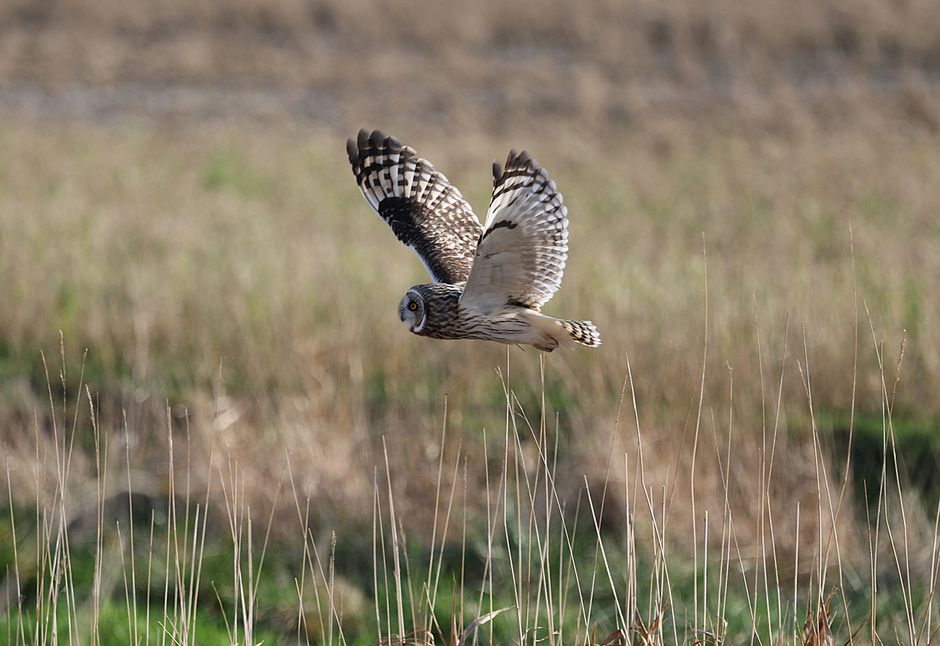
Soft, fringed feathers hush the sound of an owl’s flight, so it can swoop down on a meal almost without a whisper.
Giant Eyes
An owl’s eyes are so huge they can’t roll around in their sockets — that’s exactly why owls turn their whole head to look around!
Why Turn That Head So Far?
Here’s the cool part: those enormous eyes are shaped like tubes, not balls, so they’re stuck pointing straight ahead. An owl can’t glance sideways the way you do. To make up for it, owls have extra bones in their necks that let them swivel their heads in a wide, smooth turn. So when an owl seems to be staring right through the back of its own head, it’s just having a good look around!
Built for the Night
Most owls are night hunters, and almost everything about them is built for the dark. Those giant eyes soak up tiny bits of light so owls can see when we’d be stumbling around. Even better, their hearing is incredible — many owls can pin-point a mouse rustling under leaves or snow using sound alone. Add those silent feathers, and a hunting owl becomes a shadow that prey never hears coming.
🤯 Whoa, Really?!
Owls swallow small prey whole — then later cough up a tidy little bundle of bones and fur called a pellet! Scientists love taking pellets apart to learn exactly what an owl had for dinner.
How Owls Turn Their Heads Without Fainting
An owl can swivel its head about 270 degrees — three-quarters of a full circle! If you tried that, you’d squash the blood vessels in your neck and feel dizzy. But owls have two amazing superpowers. First, they have 14 bones in their neck — twice as many as your 7! Second, they have special “backup” blood vessels with little pockets that keep blood flowing to the brain even when the neck is fully twisted. It’s brilliant built-in engineering that lets an owl look right over its own shoulder without a wobble.
Super-Ears: Hunting by Sound
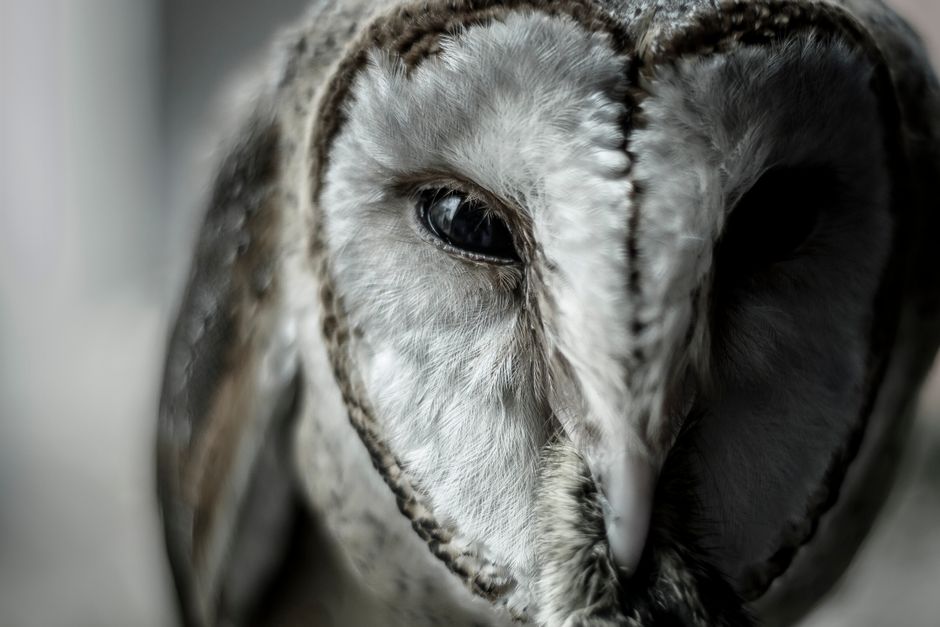
An owl’s hearing is so sharp it can catch a mouse in pitch darkness — even one hidden under the snow! — using sound alone. The secret? Many owls have their two ears set at slightly different heights on their head, so a tiny rustle reaches one ear a split-second before the other. The owl’s brain uses that teeny time difference to pinpoint exactly where dinner is. And that flat, dish-shaped face isn’t just for looking wise — it works like a satellite dish, scooping sound straight toward the ears!
📖 Big Word: Nocturnal
Say it “nok-TUR-nul.” It means awake and active at night. Most owls are nocturnal — they sleep by day and hunt after dark, which is why they’re built with giant eyes and super-hearing.
Owls Around the World
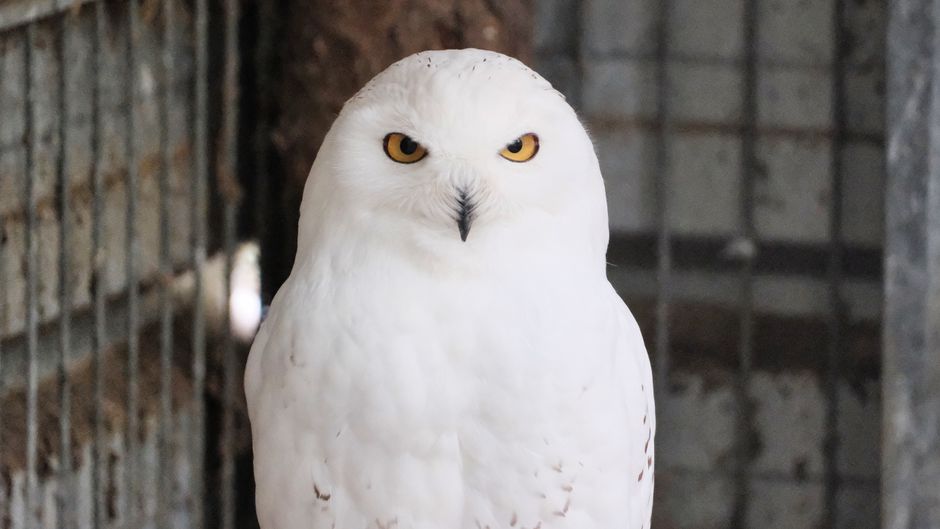
There are more than 200 different kinds (species) of owl, living on almost every continent — everywhere except icy Antarctica. And they come in wildly different sizes! The tiny Elf Owl is small enough to sit in the palm of your hand, while the giant Eurasian Eagle-Owl has a wingspan wider than a doorway. Not every owl hides in the dark, either: the Snowy Owl is white to blend into the snow and often hunts in broad daylight. Owls really are full of surprises!
🧠 Quick Quiz — tap an answer!
1. What do we call a group of owls?
2. Why do owls turn their whole head to look around?
3. What is an owl pellet made of?
Frequently Asked Questions
Q: What is a group of owls called?
A parliament! It’s named after a meeting of wise leaders, because people long thought owls looked clever and thoughtful.
Q: How far can an owl turn its head?
About 270 degrees — three-quarters of the way around. Extra neck bones and special backup blood vessels make it safe.
Q: Why do owls turn their whole head instead of their eyes?
Their huge, tube-shaped eyes can’t move in their sockets, so owls swivel their heads to look around instead.
Q: How do owls hunt in the dark?
With giant light-gathering eyes, incredible hearing (their ears are set at different heights to pinpoint sound), and silent, fringed feathers.
Q: What is an owl pellet?
A tidy bundle of bones and fur an owl can’t digest and coughs back up — scientists take them apart to see what the owl ate.
📚 Where we learned this (for curious grown-ups):
• Audubon — 13 Fun Facts About Owls
• National Geographic — How Owls Twist Their Heads
• Cornell Lab of Ornithology — How Owls Hunt by Sound
Keep Exploring!
From their swivelling heads to their silent wings and clever pellets, owls are packed with surprises — and a whole parliament of them is even more amazing. Next time you’re outside at dusk, keep your ears open. That soft “hoo” in the trees might just be a wise old owl, watching the night with its great big eyes. 🦉