Here’s a little secret: when you grab a wooden spoon and say “I’m the chef!” you are doing something very clever. Playing pretend — sometimes called dramatic play — is one of the best ways to learn how to be a good friend.
When you pretend to be a doctor, a shopkeeper or a brave superhero, you are practising real-life skills like sharing, talking and being kind. Let’s look at the fun games to try and the secret skills they grow!
Fun Pretend Games to Try
1. Play Shop
Set up a little shop with toys, tins or pretend money. One person sells, one person buys. “That will be three coins, please!” You learn to take turns and say thank you.
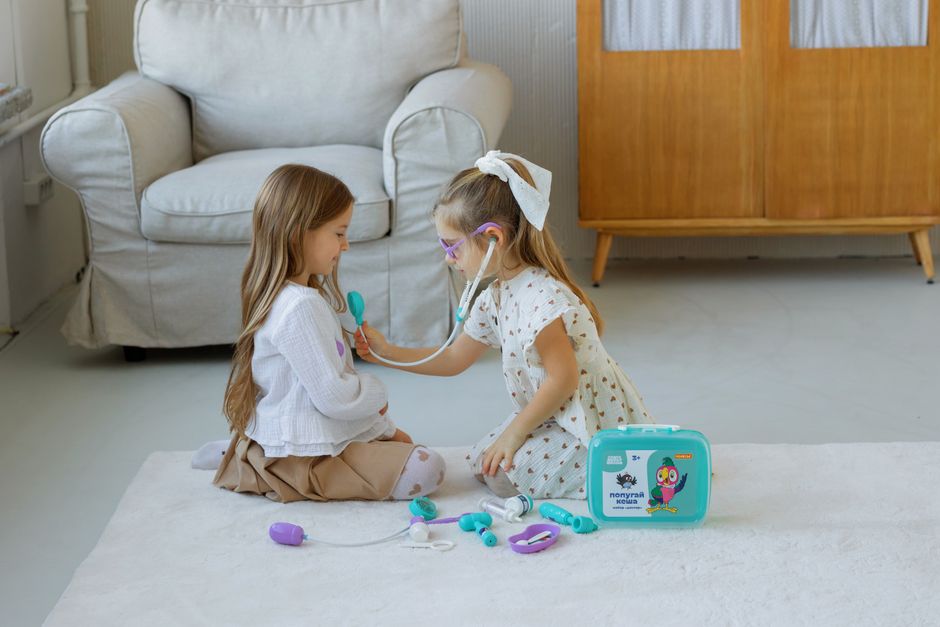
2. Play Doctor or Vet
Wrap a teddy’s arm in a bandage and check its heartbeat. Looking after a poorly toy helps you think about how other people and animals feel.
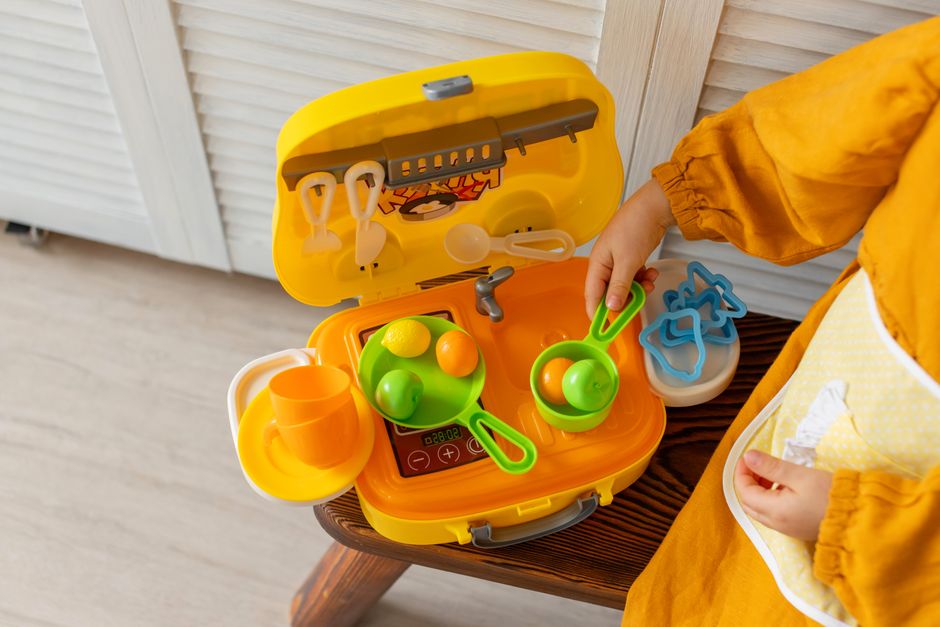
3. Play House & Kitchen
Cook a pretend dinner, set the table and call everyone to eat. You copy the things grown-ups do and figure out how a family works together.
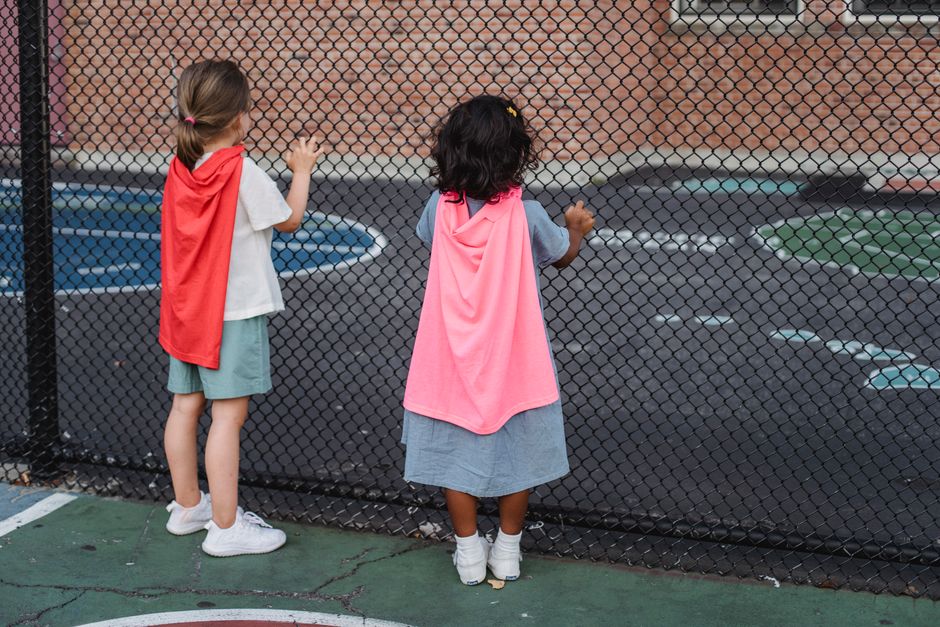
4. Superheroes & Big Adventures
Put on a cape and save the day! When you and a friend make up an adventure together, you both add ideas and turn them into one big story.
🧪 Try This at Home
Pop a few old hats, scarves and boxes into a “dressing-up box.” Pull one out and ask, “Who could I be today?”
Secret Skills You Grow
5. Taking Turns
You can’t both be the chef at the same time! Pretend play helps you wait, swap jobs and let a friend have a go too.
6. Understanding Big Feelings
When you pretend your teddy is sad or scared, you practise spotting feelings. That makes it easier to be gentle with a friend in real life.
7. Finding New Words
“Captain,” “customer,” “rescue” — pretend play is full of exciting new words. The more you play, the more words you collect to talk with friends.
The Big Skills Hiding Inside Pretend Play
Beyond taking turns and new words, playing pretend quietly grows some of the most important skills of all:
- Self-control — here’s a cool fact researchers found: a child pretending to be a still, brave guard can stand still far longer than a child simply told “stand still.” Playing a role helps you practise bossing your own body and feelings.
- Empathy — when you become the doctor, the customer, or the worried teddy, your brain rehearses how other people feel. That’s the secret engine of kindness.
- Planning & problem-solving — “You be the shopkeeper, I’ll be the customer… wait, we need pretend money!” Setting up a game means making a plan and fixing problems together.
📖 Big Word: Empathy
Say it “EM-puh-thee.” It means understanding and caring about what someone else is feeling — like knowing your friend is sad and wanting to help. Pretend play is brilliant practice for it!
More Pretend Worlds to Explore
Ready for new adventures? Try becoming…
- 📮 A post office worker — stamp letters and deliver the mail.
- 🍽️ A café or restaurant team — take orders, cook, and serve.
- 🚀 Astronauts — count down and blast off to a new planet.
- 🏫 A teacher — line up the teddies and take the register.
- 🦁 A zookeeper — feed and care for your toy animals.
- 🎭 A puppet show star — put on a play behind the sofa.
How Grown-Ups Can Join the Fun
Grown-ups, you don’t need to run the show — the magic is strongest when the child leads. A few simple ways to help:
- Follow their lead. Let your child decide the story; you play the part you’re given (even if it’s the baby dragon!).
- Offer open-ended props. A box of scarves, hats, and empty boxes sparks more imagination than a toy that only does one thing.
- Ask “what happens next?” Open questions keep the story growing without taking it over.
- Act out feelings. Gently play through being sad, cross, or scared — it’s safe practice for real-life big emotions.
🌟 Did You Know?
When you pretend to be someone else, your brain practises imagining how they feel. That clever trick helps you make friends for the rest of your life!
🧠 Quick Quiz — tap an answer!
1. What is another name for playing pretend?
2. Playing shop helps you practise…
Frequently Asked Questions
Q: What is dramatic play?
It’s pretend or role-play — being a chef, doctor, shopkeeper, or superhero — where children make up their own characters and stories.
Q: Why is pretend play good for children?
It builds language, self-control, empathy, problem-solving, and social skills like sharing and taking turns — all while it feels like pure fun.
Q: How does pretend play help kids make friends?
By stepping into other roles, children practise understanding how others feel and cooperating — the foundations of kindness and friendship.
Q: What toys are best for dramatic play?
Simple, open-ended things: dressing-up clothes, hats, scarves, boxes, and toy food. They can become anything the child imagines.
Q: How can I encourage it at home?
Follow your child’s lead, add a few props, ask “what happens next?”, and join in without taking over the story.
📚 Where we learned this (for curious grown-ups):
• NAEYC — Dramatic Play & Building Self-Regulation
• PBS KIDS for Parents — Act It Out: Dramatic Play
• ZERO TO THREE — Social-Emotional Development
Your Turn to Play!
So next time you put on a cape or stir a pretend soup, remember — you are growing into a kind, clever friend. Grab a buddy, make up a story, and let the adventure begin!