Long, long ago, before there were shops or sewing machines, a person stood shivering in the cold wind. They picked up a soft animal skin, wrapped it around their shoulders — and suddenly felt warm. That little moment was the very beginning of one of the oldest human habits of all: wearing clothes.
Today we have hoodies, raincoats, school uniforms and fuzzy socks. But have you ever stopped to wonder why we cover our bodies at all? The answer is a mix of science, comfort and the stories people tell about who they are.
Keeping Our Bodies Just Right
Your body likes to stay at one cosy temperature, a little warmer than a normal room. When the air turns cold, you lose that warmth quickly, which is why your teeth chatter and your skin gets goosebumps. Clothes work like a snug blanket that wraps around you all day, trapping a thin layer of warm air close to your skin. That trapped air is the real secret — it slows the warmth from escaping, so you stay comfy.
On a hot, sunny day clothes help in the opposite way. Light, loose fabrics shade your skin from the burning sun and let sweat dry away, which actually cools you down. So clothing is a clever tool for staying just right in almost any weather.
📖 Big Word: Insulation
Insulation means trapping warmth so it can’t sneak away. A woolly jumper insulates you, just like the fluffy feathers keep a bird warm in winter.
A Shield Against the World
Clothes do much more than keep us warm. They are a soft suit of armour for everyday life. They protect our skin from sharp twigs, hot sand, scratchy bushes and the sun’s strong rays. People who do special jobs wear special clothes: firefighters wear thick suits that resist heat, doctors wear clean gowns, and builders wear sturdy boots and hard hats. Even your own raincoat is a tiny shield that keeps the rain off your skin.
Telling the World Who We Are
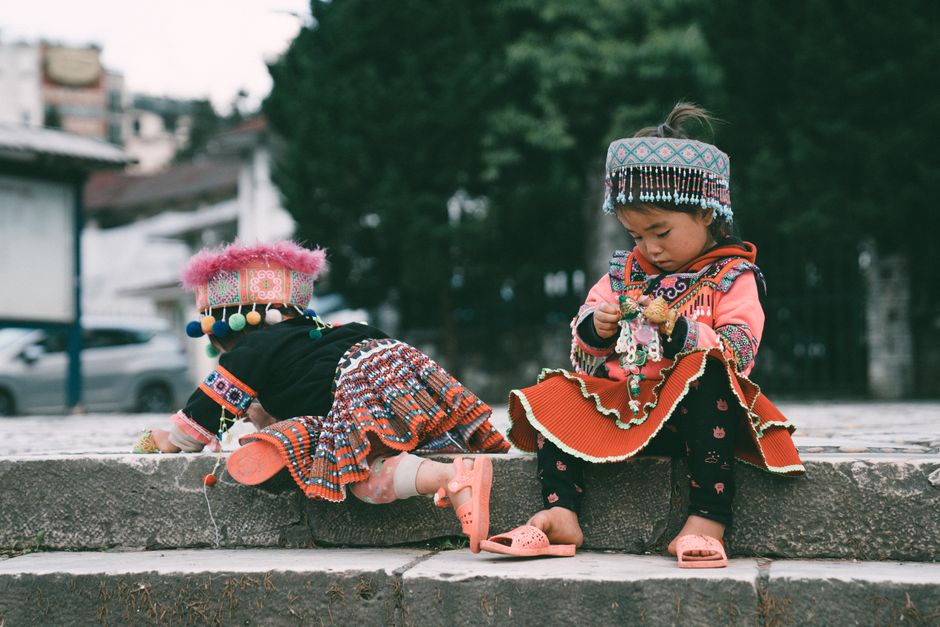
Here is the part many people forget. Clothes are also a way of talking without words. The colours and styles we choose can show what we like, where we come from, or which team we cheer for. Around the world, people wear beautiful traditional outfits for festivals and celebrations, each one telling a story passed down through families for hundreds of years.
When you pull on your favourite shirt, you might feel happy and bold. That feeling is real. For a very long time, humans have used clothing to share who they are and how they feel, long before anyone could read or write.
The Science of Staying Warm: It’s All About Trapped Air
Here’s a surprise: your clothes don’t actually make any heat — you do! Your body is a cosy little furnace, and heat always flows away from warm things toward colder ones. What clothes really do is trap the warm air your body makes, holding it still against your skin so it can’t escape. It’s that layer of trapped air — not the cloth itself — that keeps you toasty. Two clever tricks come from this: layering up in a few thin layers beats one thick coat (each layer traps its own pocket of air), and fluffy, woolly, or puffy clothes are extra warm because they hold lots of tiny air pockets. It’s the very same reason a bird fluffs up its feathers and a duvet is so puffy!
What Are Clothes Made Of?
Almost every piece of clothing is made from thin threads called fibres. Some fibres are natural: cotton grows on a plant, wool comes from sheep, silk is spun by silkworms, and linen comes from a plant called flax. Others are man-made (synthetic), like polyester and nylon — often made from the same oil we turn into fuel! Different fibres are good at different jobs: wool traps air to keep you warm, cotton soaks up sweat to keep you comfy, and waterproof coats keep the rain out. To turn fibres into cloth, they’re first spun into long yarn, then woven or knitted together.
📖 Big Word: Fibre
Say it “FY-ber.” A fibre is a very thin, hair-like thread. Lots of fibres spun together make yarn, and yarn woven or knitted together makes the cloth your clothes are cut from.
A Quick History of Getting Dressed
The very first clothes were animal skins and furs. Long ago, people scraped hides clean, poked holes with pointed tools, and laced them together — and later they carved delicate eyed needles from bone to sew snug, better-fitting clothes. Scientists even found a clever clue about when this began: body lice only live in clothing, and by studying their DNA, researchers think humans started wearing clothes very roughly 100,000 or more years ago! For most of history, every single garment was made slowly by hand. Then machines and factories learned to make clothes quickly and cheaply — which is why we now own so many. Because of that, it’s kind to our planet to hand clothes down, swap them with friends, and recycle the ones we’ve outgrown.
🌟 Did You Know?
Scientists believe people began wearing clothes many thousands of years ago, helped along by the invention of the needle — a thin tool with a hole, used to stitch skins and fabric together.
Frequently Asked Questions
Q: Why do we wear clothes?
For three big reasons that work together: to stay warm or cool, to protect our bodies, and to show the world a bit of who we are.
Q: How do clothes actually keep us warm?
They don’t make heat — they trap the warm air your body makes in a still layer next to your skin, so it can’t escape. The trapped air is the real secret.
Q: Why do layers keep you warmer than one thick coat?
Each layer traps its own pocket of air, and all those pockets of trapped air add up to more warmth.
Q: What are clothes made of?
Thin threads called fibres — natural ones like cotton, wool, silk, and linen, and man-made ones like polyester and nylon — spun into yarn and woven or knitted into cloth.
Q: When did people start wearing clothes?
Very long ago, starting with animal skins. Studying the DNA of body lice (which live in clothing) suggests it began roughly 100,000 or more years ago.
📚 Where we learned this (for curious grown-ups):
• Britannica — Natural Fibres (Cotton, Wool, Silk & More)
• Smithsonian Human Origins — What Lice Tell Us (When Clothing Began)
• Library of Congress — Spinning, Weaving, Sewing & Knitting
The Big Idea
So we wear clothes for three big reasons that all work together: to stay warm or cool, to protect our bodies, and to show the world a little bit of who we are. The next time you get dressed, remember — you’re wrapping yourself in one of humankind’s oldest and cleverest inventions.