Spending a sunny afternoon outdoors playing at the beach or park is a joyful childhood experience. Yet returning home with red, painful, inflamed skin—a sunburn—is a painful reminder of the power of solar radiation. Children frequently wonder: why does the Sun make skin turn red and sting hours after being outside, while light bulbs cause no harm? Explaining why we get sunburned introduces children to electromagnetic ultraviolet (UV) light physics, cellular DNA damage, skin melanin defense chemistry, and inflammatory immune responses.
The Science of Solar Radiation: UVA vs UVB Rays
To understand sunburns, children must explore invisible light spectrums emitted by the Sun.
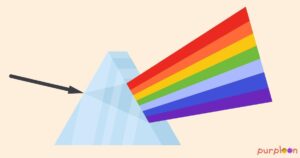
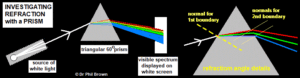
Visible Light vs Ultraviolet Radiation. Sunlight reaching Earth contains visible light rays (rainbow colors), infrared heat rays, and invisible ultraviolet (UV) radiation. UV light waves possess shorter wavelengths and higher energy than visible light.
UVA vs UVB Ultraviolet Spectrum:
– UVA Rays (Aging Rays): Long UV wavelengths (315–400 nm) that penetrate deep into the dermis layer of skin, contributing to long-term skin aging and subtle cellular damage.
– UVB Rays (Burning Rays): Short, high-energy UV wavelengths (280–315 nm) that target skin epidermal cells directly, causing acute DNA strand damage, skin redness, and sunburns!
Cellular DNA Damage and the Inflammatory Sunburn Response
A sunburn is not simply “hot skin”—it is a radiation burn and a defensive biological immune response to damaged skin cells!
1. UV Photons Cause DNA Mutation. When high-energy UVB photons hit skin epidermal cells (keratinocytes), they damage cellular DNA strands, causing adjacent thymine bases to fuse together into abnormal “thymine dimers.”
2. Apoptosis (Programmed Cell Death). To prevent mutated skin cells from dividing and turning cancerous, the skin cell’s internal repair system initiates apoptosis—programmed cell suicide! The damaged skin cells die off.
3. Inflammation and Dilation. Skin immune cells release chemical inflammatory signals—such as histamines, prostaglandins, and cytokines. Surrounding capillary blood vessels dilate (expand) to flood the skin with blood, white blood cells, and fluid to clear away dead cells. This surge of blood and fluid causes skin redness, swelling, and thermal heat!
4. Peeling Skin. Days after a severe sunburn, dead skin cells peel off in sheets—your skin’s way of shedding radiation-damaged cells!
Sunscreen Protection & SPF Science Comparison Matrix
| Sunscreen Parameter / Term | Scientific Definition | How It Protects Skin Cells | Recommended Usage Guidelines |
|---|---|---|---|
| SPF Rating (e.g., SPF 30) | Sun Protection Factor rating | SPF 30 blocks ~97% of UVB rays; SPF 50 blocks ~98% | Apply broad-spectrum SPF 30+ generously |
| Broad-Spectrum Label | Protects against both UVA & UVB rays | Prevents deep dermis damage (UVA) & burns (UVB) | Always purchase broad-spectrum formulas |
| Chemical Sunscreen Active | Absorbs UV rays (Avobenzone) | Converts UV energy into harmless thermal heat | Apply 15 minutes before going outdoors |
| Mineral Sunscreen Active | Reflects UV rays (Zinc Oxide / Titanium) | Physical shield that bounces UV light off skin | Ideal for sensitive child skin (Instant barrier) |
How Melanin Provides Natural Sun Protection
Why do some people tan while others burn easily?
Melanin Pigment Production. Skin cells contain specialized pigment-producing cells called melanocytes. When exposed to UV light, melanocytes produce a dark brown pigment called melanin. Melanin acts as a natural microscopic “sun umbrella,” capping skin cell nuclei to absorb incoming UV radiation before it damages DNA.
Tanning Is a Damage Response! A suntan is not a sign of healthy skin—it is the skin’s defensive reaction to UV radiation exposure!
Sun Protection Best Practices for Families
Protect children’s skin by establishing four sun-safety habits:
1. Apply Broad-Spectrum Mineral Sunscreen: Use broad-spectrum mineral sunscreen (Zinc Oxide, SPF 30+) 15 minutes before heading outdoors. Reapply every 2 hours or after swimming.
2. Wear UV Protective Clothing and Hats: Wear wide-brimmed sun hats, UV-blocking sunglasses, and UPF 50+ rash guard swim shirts.
3. Seek Midday Shade: Limit direct sun exposure during peak UV intensity hours between 10:00 AM and 2:00 PM.
Concluding Recommendation
Teach children sun safety by applying broad-spectrum mineral sunscreen before outdoor play, explaining how UV rays cause cellular DNA damage while mineral zinc acts as an invisible protective shield.
Evaluating the Ultraviolet Index (UV Index) Forecast Scale
Understanding the global UV Index forecast scale empowers families to plan outdoor sun protection effectively.
Understanding UV Index Forecast Values:
– UV Index 0 to 2 (Low Hazard): Minimal sun risk; standard outdoor play without special precautions.
– UV Index 3 to 5 (Moderate Hazard): Moderate sun risk; wear broad-spectrum SPF 30+ sunscreen, hats, and sunglasses.
– UV Index 6 to 7 (High Hazard): High sun risk; protection mandatory; seek shade during midday hours (10:00 AM to 2:00 PM).
– UV Index 8 to 10 (Very High Hazard): Unprotected skin can burn in under 15 minutes!
– UV Index 11+ (Extreme Hazard): Extreme radiation hazard; avoid midday direct sun exposure.
Treating Mild Sunburns at Home Safely
If a child experiences a mild sunburn despite precautions, execute four supportive home care steps:
1. Cool Compressed Moist Towels: Apply cool, damp cloths to sunburned skin to reduce thermal skin temperature and ease stinging.
2. Pure Aloe Vera Gel Application: Apply pure, unfragranced aloe vera gel to soothe inflamed skin and restore skin hydration.
3. Hydrate With Water: Drink extra water to replace fluids pulled toward inflamed skin surfaces.
4. Avoid Popping Blisters: If severe sunburn causes fluid-filled blisters, never pop them; blisters form a sterile biological seal that protects underlying skin.
Evaluating the Difference Between Mineral and Chemical Sunscreens
Understanding active ingredients helps parents choose the safest sun protection for children.
Mineral Sunscreens (Physical Blockers). Mineral sunscreens utilize active mineral ingredients—such as Zinc Oxide or Titanium Dioxide. These mineral particles sit on top of the skin, acting as microscopic mirrors that physically bounce UV light rays away. Mineral sunscreens provide instant broad-spectrum protection, are non-irritating to sensitive child skin, and do not harm coral reef ecosystems.
Chemical Sunscreens (Absorbers). Chemical sunscreens utilize active synthetic compounds—such as Avobenzone or Octisalate—that absorb into skin layers, converting incoming UV radiation into harmless thermal heat. Chemical formulas require 15 minutes to activate and can cause mild skin stinging in sensitive children.
Summary Guidelines for Sunburn Prevention
To protect children’s skin from solar UV radiation:
1. Apply Broad-Spectrum Mineral Sunscreen SPF 30+: Apply 15 minutes before heading outdoors and reapply every 2 hours or after swimming.
2. Wear UPF 50+ Rash Guard Clothing: Cover sensitive shoulder and chest skin with protective UV clothing.
3. Monitor UV Index Forecasts: Seek shade during peak UV intensity hours between 10:00 AM and 2:00 PM.
Connecting UV light physics to cellular DNA damage helps children understand why mineral sunscreen protection is essential for healthy outdoor play.
Our pick: Thinkbaby Safe Mineral Sunscreen SPF 50+ or UPF 50+ Kids Rash Guard Stack