Buckle up, plant explorers! When you think of plants, you might picture a daisy or a leafy tree. But out in the wild, some plants are downright bizarre — they gobble up bugs, stink like rotten meat, and even disguise themselves as stones. Here are four of the strangest plants on the whole planet!
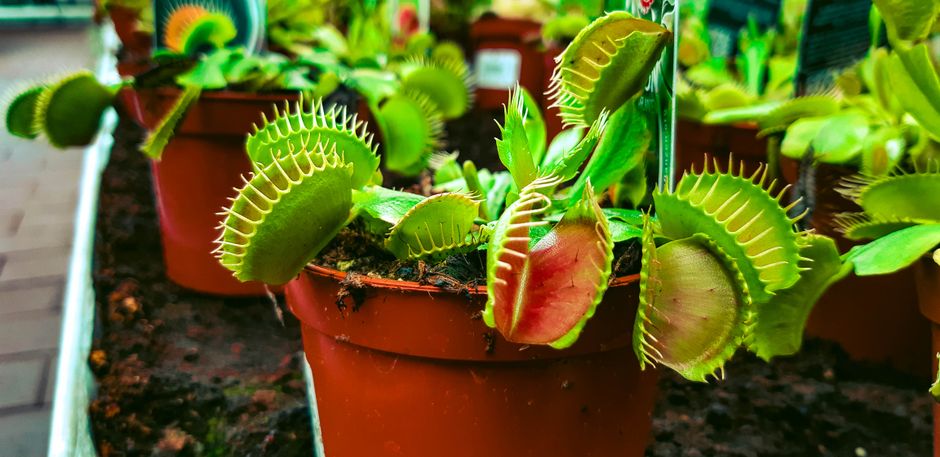
The Venus Flytrap
Its leaves snap shut like a tiny mouth to trap and eat insects!
The Rafflesia
The biggest single flower on Earth — and it smells like rotting meat!
The Welwitschia
A desert plant that can live for over a thousand years with just two leaves.
Living Stones
Tiny plants that look exactly like pebbles to hide from hungry animals.
Plants That Eat Animals?!
Most plants make their food from sunlight, water, and air. But a few sneaky plants grow in soil that is missing the goodness they need — so they catch their own snacks instead! The famous Venus flytrap has leaves lined with tiny trigger hairs. When a fly walks across and brushes them, SNAP! — the trap closes in a flash.
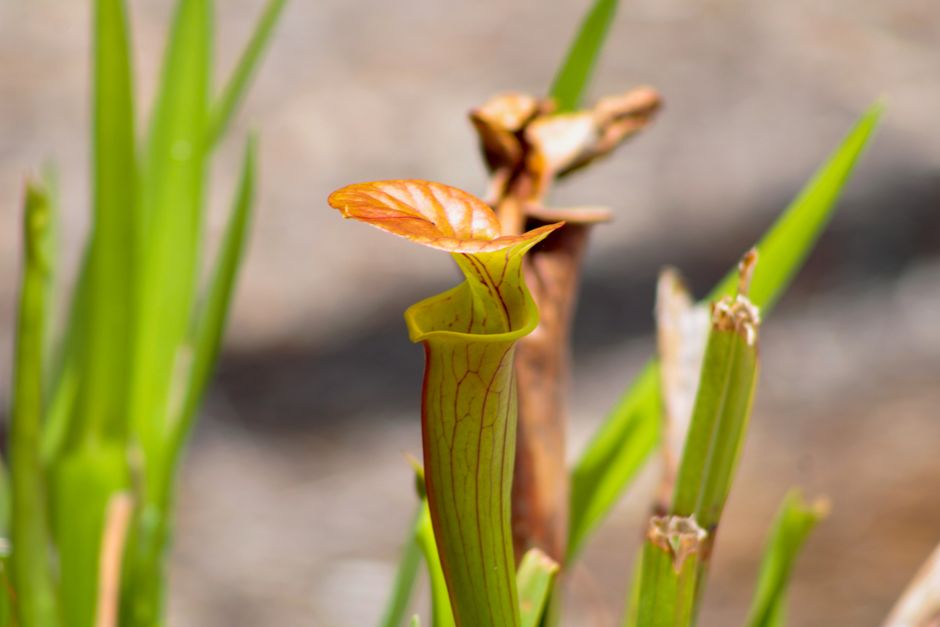
Pitcher plants use a different trick. They grow deep, slippery cups filled with liquid. A curious insect slides in… and can’t climb back out. Other plants, like the sticky sundew, are covered in shiny glue-like drops that hold bugs tight. Spooky and clever!
🤯 Whoa, Really?!
There’s a giant flower called the corpse flower that can grow taller than a grown-up! It blooms only once in a long while, and when it does, it smells so much like rotten meat that crowds line up just to take a sniff.
Why So Stinky and Strange?
Believe it or not, these weird tricks all have a smart reason behind them. The Rafflesia and the corpse flower smell terrible on purpose — the rotten-meat stink attracts flies, and the flies help carry their pollen so new plants can grow. A bad smell to us is a dinner bell to a fly!
The desert Welwitschia keeps its same two leaves for its whole long life, slowly soaking up tiny bits of fog. And the “living stones” pretend to be rocks so that thirsty animals walk right past them without ever noticing a tasty plant. Every strange shape and smell is really a survival superpower.
How Bug-Eating Plants Really Work
Why would a plant eat animals? These meat-eaters (called carnivorous plants) grow in soggy, boggy soil that’s missing nitrogen — a nutrient plants need to grow strong. So instead of getting it from the ground, they catch insects and slowly digest them with special juices, like a little plant tummy, to soak up that missing goodness! And the Venus flytrap is secretly a counter: a bug has to brush its trigger hairs twice within about 20 seconds before the trap snaps — a clever way to avoid wasting energy on a raindrop or a speck of dust.
📖 Big Word: Carnivorous
Say it “car-NIV-or-us.” It means eating meat or other animals. A carnivorous plant traps and digests insects to get the nutrients its poor soil can’t give it.
Record-Breaking Plants
- 🌸 Biggest single flower: the Rafflesia — up to about 1 metre wide and 11 kg, as heavy as a big dog!
- 🌾 Tallest flower cluster: the corpse flower (titan arum) — over 3 metres (10 feet) tall, and it blooms only once every few years.
- ⏳ One of the oldest: the desert Welwitschia can live 1,500–2,000 years — older than most castles! — growing just two leaves its whole life.
- 🪨 Sneakiest hiders: living stones (lithops), only a couple of centimetres tall and perfectly disguised as pebbles.
Every Weird Trick Is a Superpower
Here’s the big secret: each strange feature is really a survival trick for a tough spot. Traps grab food where the soil is poor, stinky flowers lure pollinating flies, stone-like camouflage hides plants from hungry animals, and slow desert leaves save every precious drop of water. Since a plant can’t run away or hide, it has to be clever right where it’s rooted. So next time you pass a garden, a bog, or a forest, look closely — you might just spot a plant superpower in action!
🧠 Quick Quiz — tap an answer!
1. How does a Venus flytrap catch an insect?
2. Why does the Rafflesia smell like rotten meat?
3. Why do “living stones” look like rocks?
Frequently Asked Questions
Q: Why do some plants eat insects?
They grow in soil missing nitrogen, so they catch and digest bugs to get that nutrient — these are called carnivorous plants.
Q: How does a Venus flytrap know when to snap?
It counts! An insect must touch its trigger hairs twice in a short time before the trap closes, so it doesn’t waste energy on raindrops or dust.
Q: What is the biggest flower in the world?
The Rafflesia — a single bloom up to about a metre wide and 11 kg — and it smells like rotting meat!
Q: Why do some flowers smell so bad?
The stink attracts flies, and the flies carry the plant’s pollen to help make new plants. A bad smell to us is a dinner bell to a fly.
Q: Why do “living stones” look like rocks?
It’s camouflage — looking like pebbles hides them from thirsty, hungry animals in the desert.
📚 Where we learned this (for curious grown-ups):
• Natural History Museum — Carnivorous Plants
• Royal Botanic Gardens, Kew — Carnivorous Plants Explained
• Britannica — Rafflesia (the Monster Flower)
Keep Exploring!
From bug-munching traps to stinky giants and sneaky stone copycats, the plant world is far weirder than it looks. Next time you walk past a garden or a forest, remember: plants have some of the wildest survival tricks on Earth — you just have to know where to look!