Ready to launch a fluffy marshmallow across the room? With a few rubber bands and some craft sticks, you can build a tiny catapult that flings soft snacks through the air — and learn how knights and castles used the very same idea hundreds of years ago!
🧪 What You Need
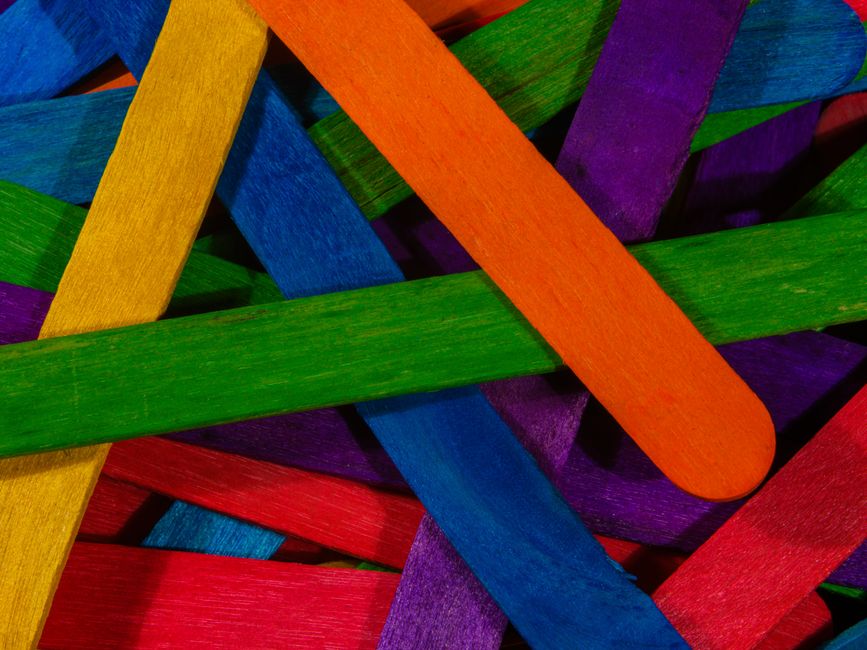
- 7 craft sticks (popsicle sticks)
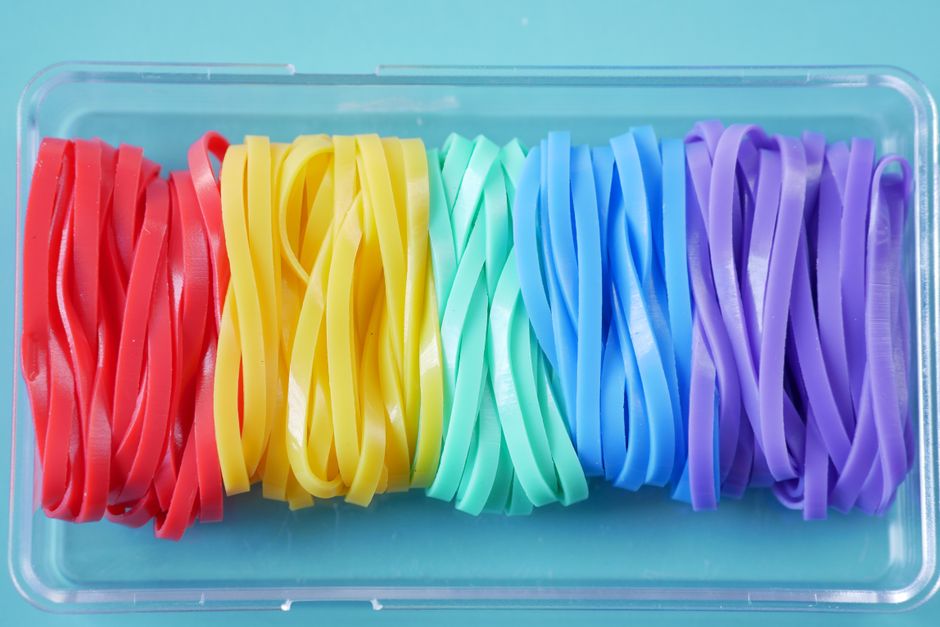
- 3–4 rubber bands
- 1 plastic spoon
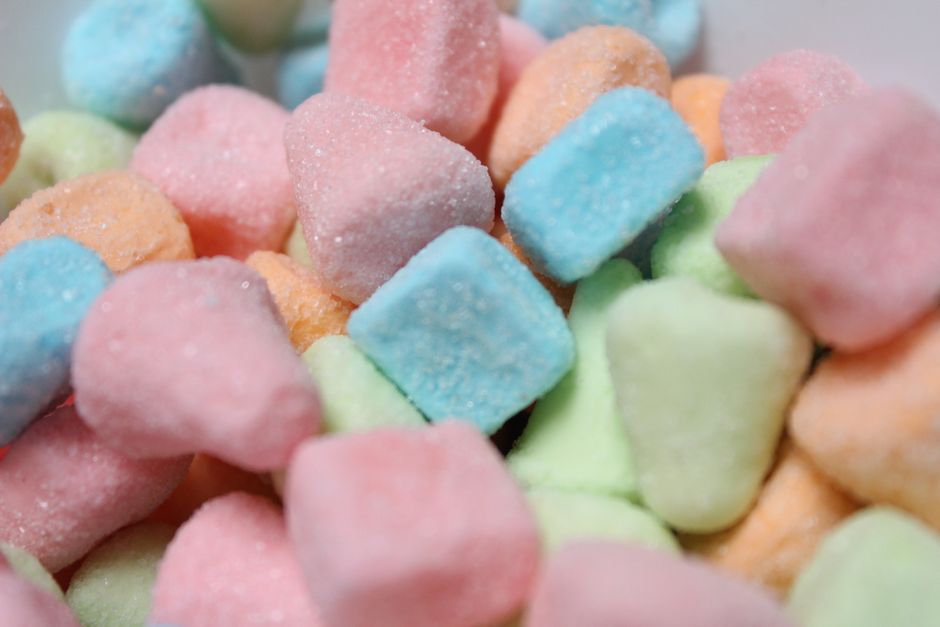
- Mini marshmallows
- A bottle cap (optional)
- A grown-up helper
Let’s Build It, Step by Step
⚠️ Stay Safe
Only launch soft marshmallows or cotton balls — never hard objects. Always aim at a wall or open space, never at faces, pets, or windows. Ask a grown-up to help with the rubber bands.
What’s Going On?
When you push the spoon down, you are squeezing energy into the bent sticks and stretched rubber bands. This stored-up energy waits patiently, ready to spring back. The moment you let go, all that energy zooms into the marshmallow at once and throws it forward. The harder you press, the more energy you store — and the farther your marshmallow sails!
📖 Big Word: Elastic Energy
The hidden push stored inside something bent or stretched, like a rubber band or a springy stick, waiting to bounce back.
🤯 Whoa, Really?!
Long ago, soldiers built giant catapults called trebuchets as tall as a house. Instead of rubber bands, they used heavy weights to fling rocks over castle walls!
Stored Energy Becomes Moving Energy
Your catapult is really an energy machine! Scientists say energy comes in different forms, and your launch uses two of them:
- ⬇️ When you press the spoon down, you fill the bent sticks and stretched rubber bands with stored energy (grown-ups call it potential energy). It waits there, ready to spring.
- 🚀 The instant you let go, that stored energy turns into moving energy (kinetic energy) and hurls the marshmallow through the air.
Here’s the cool rule: energy never disappears — it just changes from one form into another. Your push became a marshmallow rocket!
📖 Big Word: Kinetic Energy
Say it “kih-NET-ik.” It’s the energy of anything that is moving — a flying marshmallow, a rolling ball, or you running around the garden!
Your Catapult Is a Simple Machine
The spoon-arm on your catapult is a lever — a stiff arm that swings around one fixed point called the fulcrum. Levers are one of the oldest inventions ever, because they let you throw (or lift) things much faster and farther than your hand could alone. Those giant castle-smashing trebuchets? They were really just enormous levers — the same simple machine as your little marshmallow launcher!
Test It Like a Real Engineer
Want to launch farther? Real engineers improve a design by running a fair test — changing only one thing at a time so they know exactly what made the difference. Try it:
- Add more sticks to the bundle — does it change the height?
- Move the marshmallow to the very tip of the spoon.
- Press down a little more, or a little less.
Keep everything else the same, mark where each marshmallow lands, and write down your results. Change one thing, measure, repeat — that’s real science and engineering in action!
🧠 Quick Quiz — tap an answer!
1. What gives the marshmallow its big push?
2. To make it fly farther, you should…
Frequently Asked Questions
Q: How does a catapult work?
You store energy by bending the sticks and stretching the rubber bands; when you let go, that stored energy turns into motion and flings the marshmallow forward.
Q: What is potential and kinetic energy?
Potential energy is stored-up energy (like a bent stick, ready to spring); kinetic energy is the energy of something moving (like the flying marshmallow).
Q: How do I make it launch farther?
Press the spoon down harder to store more energy, and experiment with the spoon position — but change just one thing at a time to see what helps.
Q: Is a catapult a machine?
Yes — it’s a lever, one of the simplest machines. The arm swings around a fixed point called the fulcrum.
Q: What should I launch safely?
Only soft things like mini marshmallows or cotton balls, aimed at a wall or open space — never at people, pets, or windows.
📚 Where we learned this (for curious grown-ups):
• Science Buddies — Build a Popsicle Stick Catapult
• Science Buddies — Potential & Kinetic Energy
• Britannica — Potential Energy
You Did It!
You just built a real working catapult! Now become a scientist: what if you stack more sticks in the bundle, or move the marshmallow to the very tip of the spoon? Try changing just one thing at a time, mark where each marshmallow lands, and see if you can break your own flying record. Happy launching!