Here’s a secret the night-time world keeps hidden: some animals carry their own built-in flashlights! They don’t plug in or flip a switch — they make light right inside their bodies using a clever chemical mix. Scientists call this living light bioluminescence, and once you start looking, you’ll find glowing creatures from the bottom of the sea all the way to your back garden.
Let’s meet some of the brightest stars in the animal kingdom!
📖 Big Word: Bioluminescence
When a living thing makes its own light. “Bio” means life and “luminescence” means glow — so it’s a living glow!
Lights in the Deep Dark Sea
Far below the waves, sunlight can’t reach. So sea animals made their own light instead!
1. The Anglerfish
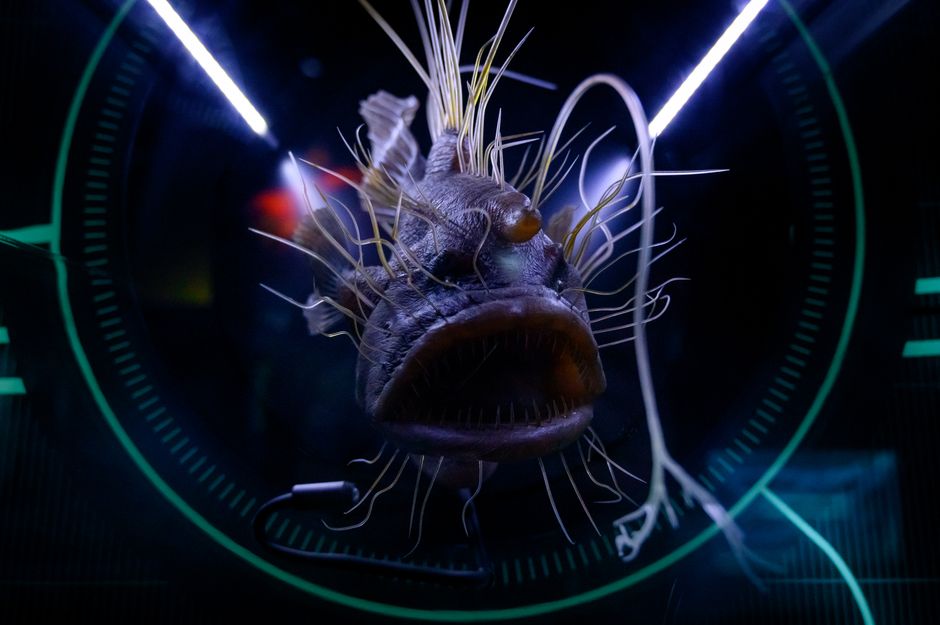
This fish dangles a glowing lure right in front of its mouth, like a tiny fishing rod. Curious little creatures swim up to look… and gulp! That’s why it’s the spookiest lamp in the ocean.
2. Jellyfish
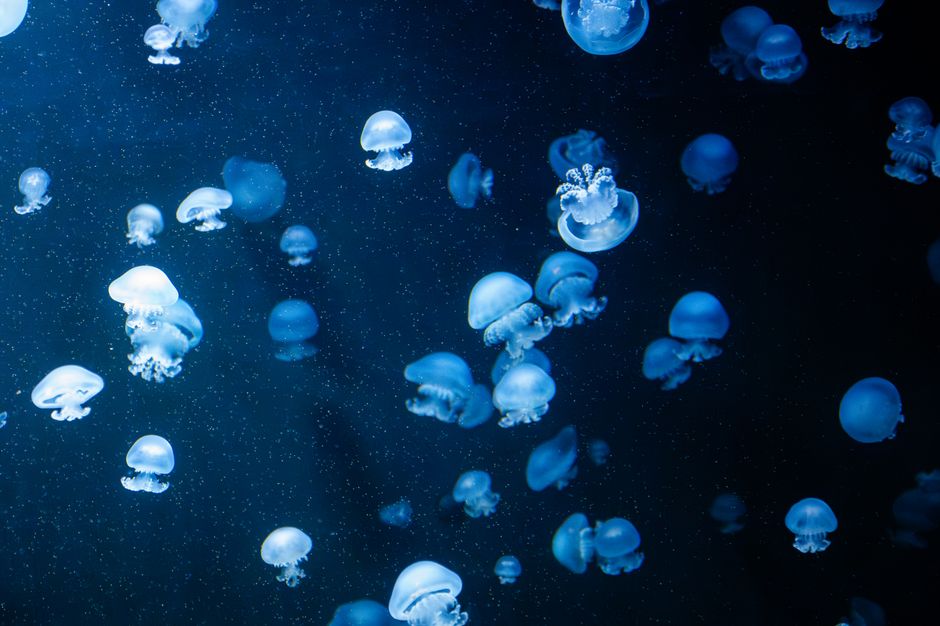
Many jellyfish flash blue and green light when something bumps into them. The sudden sparkle can surprise a hungry hunter and give the jellyfish time to drift away.
3. The Firefly Squid
This little squid is covered in hundreds of tiny light spots. Huge groups gather near the coast of Japan and turn the sea into a shimmering blue blanket.
4. The Lanternfish
Lanternfish glow softly along their bellies. The gentle light blends in with the faint sunlight above, helping them hide from anything looking up from below.
🤯 Whoa, Really?!
Most of the glowing animals on Earth live in the ocean. The deep sea may be the most light-filled place on the planet — and almost all of that light is alive!
Glowing Creatures on Land
You don’t need a submarine to spot living light. Some glowers live right on land!
5. Fireflies
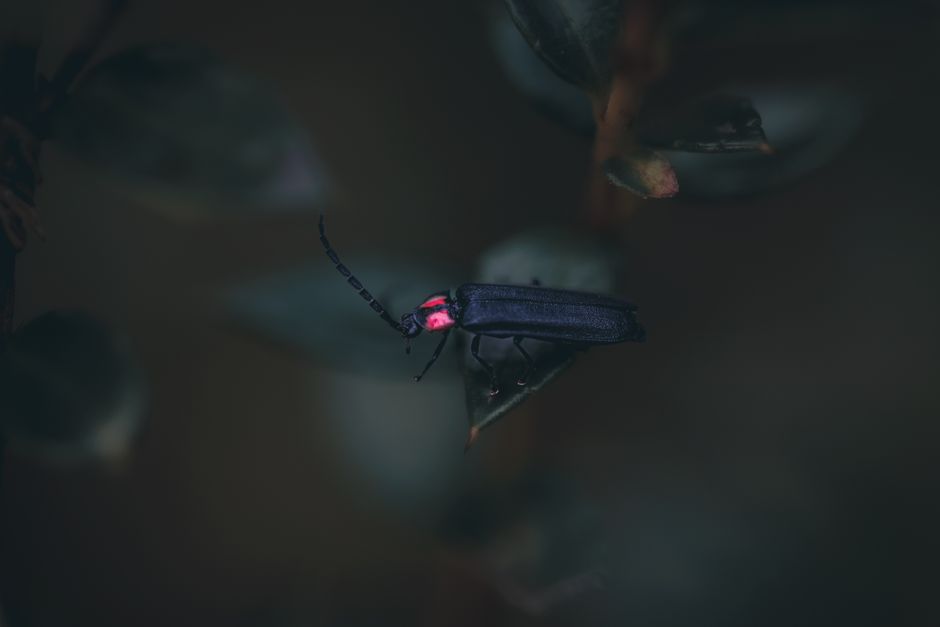
On warm summer evenings, fireflies blink their golden lights to send messages. Each kind has its own flashing pattern — a secret code that helps them find a friend.
6. Glow-worms
Glow-worms are baby beetles or fly larvae that shine a steady greenish light. In some caves they cover the ceiling and look just like a starry sky underground.
7. Glowing Mushrooms
Believe it or not, some mushrooms glow too! Their soft green light, sometimes called “foxfire,” can shimmer on old logs deep in the forest at night.
How Do Animals Make Light?
So how does a firefly light up without a battery? Living light comes from a special glow-chemical called luciferin, which mixes with a helper (an enzyme called luciferase) and a puff of oxygen. When all three come together — ta-da — light! And here’s the coolest part: it makes almost no heat, so scientists call it “cold light.” A normal light bulb gets hot enough to burn your fingers, but a firefly stays perfectly cool while it glows.
📖 Big Word: Luciferin
Say it “loo-SIF-er-in.” It’s the special light-making chemical inside glowing animals. Its name comes from an old word meaning “light-bringer.”
Why Glow? Four Clever Reasons
- 🎣 To catch food — the anglerfish dangles a glowing lure to tempt dinner closer (its lure is even lit up by tiny glowing bacteria living inside it!).
- 🛡️ To scare off danger — a sudden bright flash startles and confuses a hungry hunter, giving the glower time to escape.
- 💬 To send messages — fireflies flash secret light-codes to find a friend or a mate.
- 🥷 To hide — some animals, like the lanternfish, glow softly on their bellies to match the faint light from above, so they seem to vanish when something looks up at them. Clever scientists call this trick “counter-illumination.”
Glow Power Helps Humans Too!
Here’s something amazing: scientists borrowed nature’s glow! A green glowing protein first found in a jellyfish (nicknamed GFP) is now used in laboratories to light up tiny parts of living cells. This helps scientists watch how our bodies work and study ways to fight diseases — and the discovery was so important it won a Nobel Prize! Living light also gives inventors big ideas, like glow-in-the-dark plants and lamps that could one day shine without any electricity at all.
🤔 Fact or Fib? — tap your guess!
The anglerfish uses a glowing lure to catch its dinner.
Fireflies glow to send each other secret messages.
No mushroom has ever been seen glowing in the dark.
Frequently Asked Questions
Q: What is bioluminescence?
It’s when a living thing makes its own light. “Bio” means life and “luminescence” means glow — a living glow!
Q: How do animals make light?
A glow-chemical called luciferin mixes with a helper (luciferase) and oxygen to create light — and it gives off almost no heat, so it’s called “cold light.”
Q: Why do animals glow?
To catch food, to scare off predators, to send messages to a mate, or to hide by matching the light around them.
Q: Where do most glowing animals live?
In the ocean — especially the deep sea, where sunlight can’t reach, so animals make their own light instead.
Q: Can glowing help people?
Yes! A glowing jellyfish protein (GFP) helps scientists study living cells and diseases — a discovery that won a Nobel Prize.
📚 Where we learned this (for curious grown-ups):
• Monterey Bay Aquarium — The Facts of Deep-Sea Bioluminescence
• Britannica — Luciferase & the Bioluminescence Reaction
• NobelPrize.org — Green Fluorescent Protein (GFP)
Keep Your Eyes Peeled!
Glowing animals shine for all sorts of reasons — to catch food, to scare away danger, or to chat with friends. The next time the sun goes down, look closely at the grass, the trees, and even the night sky. Nature is full of living lights, and now you know where to look for them!