Can a language disappear if people can still read its books? These ten examples have different stories: some stopped being passed from parents to children, some changed over time, and some are being learned again. The phrase “languages that no longer exist” can be misleading. Cornish has speakers today, and Eyak has revitalization efforts. This list explains those differences instead of treating every language as gone.

🏺 Languages From the Ancient World
These were spoken thousands of years ago, often carved into stone or pressed into clay. They went quiet long, long ago.
1. Sumerian
Spoken in ancient Mesopotamia (today’s Iraq), Sumerian was one of the very first languages ever to be written down. Scribes pressed signs into soft clay; the wedge-shaped script is called cuneiform. A script is a way of writing, not a language itself.
2. Ancient Egyptian
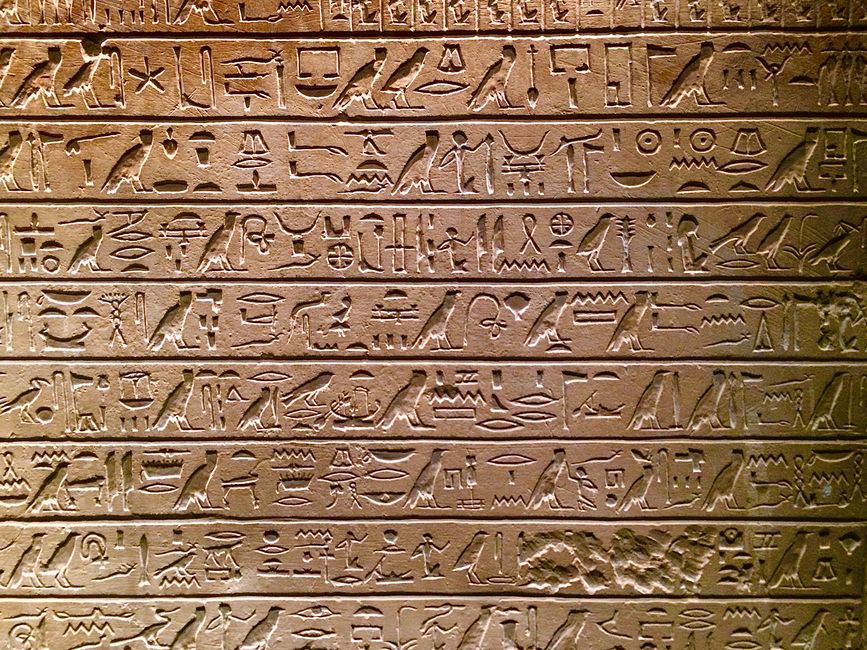
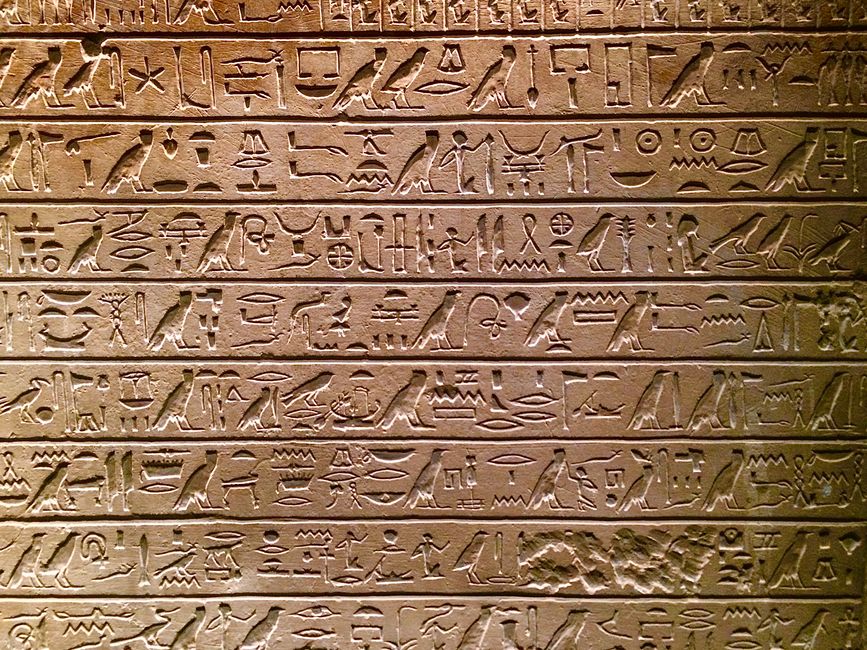
This is the language of the pharaohs, written in beautiful picture-symbols called hieroglyphs. For a long time nobody could read them — until a clue-filled stone helped experts crack the code.
3. Akkadian
Once the everyday language across much of the ancient Middle East, Akkadian was used by mighty empires like Babylon and Assyria. It, too, was written in cuneiform on clay.
4. Etruscan
The Etruscans lived in Italy before the Romans rose to power. Scholars can read the alphabet and understand some inscriptions, but many details of the language remain uncertain.
🌍 Languages That Faded More Recently
These didn’t vanish thousands of years ago — some had speakers within the last couple of hundred years.
5. Dalmatian
Spoken along the coast of the Adriatic Sea, this language slowly disappeared. Its everyday use declined, but surviving records still let researchers study it.
6. Cornish
From Cornwall in Britain, Cornish faded as a native language a couple of centuries ago. The happy twist? People today are working hard to revive it and teach it again!
7. Norn
Once spoken on the windy Orkney and Shetland islands north of Scotland, Norn gradually gave way to Scots, a language related to English, although Norn words survive in local speech and place names.
8. Eyak
A language from Alaska, Eyak lost its last native speaker in 2008. Eyak people and other learners use documentation in language revitalization work. The University of Alaska Fairbanks archive describes both its history and renewed learning.
🌱 Language Families: Two Different Stories
Some languages didn’t just disappear — they slowly changed and became the languages people speak today.
9. Latin
Latin is often called a dead language because it is no longer the everyday language of a whole community passed down in the usual way. But it didn’t really die — it grew into Spanish, French, Italian, Portuguese and Romanian!
10. Gothic
An old Germanic language written down long ago, Gothic stopped being spoken — but it’s a treasured clue that helps experts understand how today’s European languages first took shape.
❓ Why Do Languages Stop Existing?
Language histories do not fit one simple story. Here are three distinctions to remember:
- Language shift: A community may begin using another language more often. Losing everyday use does not erase its people, recordings or writing.
- Family relationships: Everyday Latin developed into the Romance languages. Gothic belonged to the East Germanic branch; it did not turn into modern English or German. Being related is different from being a direct ancestor.
- Renewed learning: Cornish is spoken today, and Eyak also has revitalization efforts. Do not call Cornish the only revival on this list.
For a longer explanation, read what “dead language” means.
Fact or fiction?
- Everyday Latin developed into languages such as Spanish and French.
- Scholars understand every detail of Etruscan.
- Cuneiform is a language.
Check your answers: 1. Fact. These are Romance languages. 2. Fiction. Some details remain uncertain. 3. Fiction. Cuneiform is a script used to write languages including Sumerian and Akkadian.
Your Turn!
Every language is like a treasure chest of stories, jokes and ideas. That’s why people work so hard to record and revive the ones that are fading. Want to help keep languages alive? Learn a few words in a new language and teach them to a friend — that’s exactly how languages stay strong!
Questions to explore
Does “dead language” mean nobody can speak it?
No. People can learn a language after it stops being passed on as an everyday first language.
Is Eyak the most recent language to disappear?
This article cannot establish a worldwide “most recent” language. Eyak’s last native speaker, Marie Smith Jones, died in 2008, and revitalization work continues.
Is Cornish gone?
No. Cornwall Council supports learning and wider use of Cornish today.
Try it: make an evidence card
Choose Cornish or Eyak. With a grown-up, open the source below and write three headings: “What happened?”, “What people are doing now”, and “What I still want to know”. Add the organization and date you checked it. A careful answer can say “I don’t know” instead of guessing a speaker count.