“Why is the sky blue?” is one of the most common—and surprisingly tricky—questions kids ask. As a parent, you might want a simple explanation that’s easy to understand but still accurate.
The good news? You don’t need to be a scientist to explain it. With a few simple ideas (and maybe a fun example), you can turn this question into an exciting learning moment.
In this guide, we’ll break it down in a way that’s easy to explain to children.
The Short Answer (Kid-Friendly)
- You can tell your child:
“The sky looks blue because sunlight spreads out in the air, and the blue light is easier to see than the other colors.”
- Step 1: Sunlight Has Many Colors
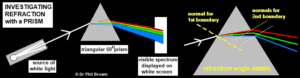
Even though sunlight looks white, it’s actually made of many colors.
- Simple Way to Explain
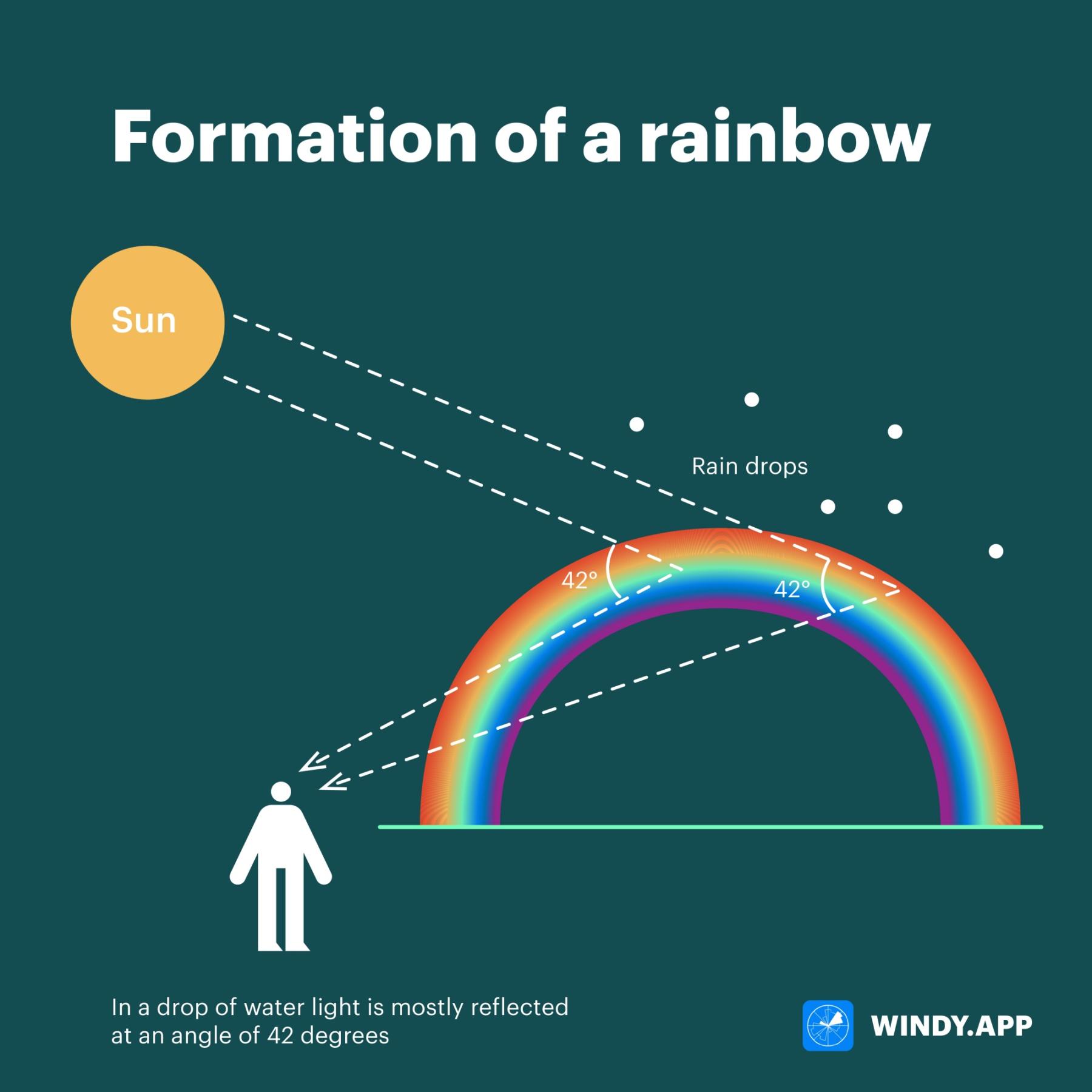
- Sunlight = a mix of colors (like a rainbow)
- Colors include red, orange, yellow, green, blue, and violet
You can compare it to a rainbow appearing after rain.
- Step 2: Light Travels Through the Air
When sunlight enters Earth’s atmosphere, it passes through tiny particles like:
- Air molecules
- Dust
- Water droplets
These particles affect how light moves.
- Step 3: Blue Light Spreads Out More
- Here’s the key idea:
- Blue light spreads (scatters) more than other colors
- It bounces around in all directions
- That’s why we see blue when we look up
- Easy Analogy for Kids
- You can say:
“Blue light is like a bouncy ball—it bounces everywhere in the sky, so we see it all around us.”
- Step 4: That’s Why the Sky Looks Blue
Because blue light spreads out the most, it fills the sky—and that’s the color we see.
Why Isn’t the Sky Violet?
You might wonder: violet light scatters even more than blue, so why isn’t the sky violet?
- Simple Explanation
- Our eyes are better at seeing blue than violet
- Some violet light is absorbed by the atmosphere
So blue becomes the dominant color we notice.
Why Does the Sky Change Color?
At sunrise and sunset, the sky often turns red or orange.
Why This Happens
- Sunlight travels through more of the atmosphere
- Blue light scatters away before reaching your eyes
- Red and orange light remain
- A Fun Experiment You Can Try at Home
What You Need
- A clear glass of water
- A flashlight
- A small amount of milk
- What to Do
- Add a few drops of milk to the water
- Shine the flashlight through the glass
- Observe how the light changes color
- What It Shows
This mimics how light scatters in the atmosphere.
- How to Explain It in One Sentence
- If your child wants a super simple answer:
“The sky is blue because the air spreads blue light from the sun all around us.”
- Why Kids Ask This Question
Questions like this show curiosity about the world.
- Encourage It
- Ask them what they think
- Use simple examples
- Turn it into a fun discussion
Why This Explanation Matters
- Explaining everyday science helps children:
- Develop curiosity
- Build critical thinking
- Understand the world around them
Final Thoughts
The sky’s blue color might seem simple, but it’s actually the result of a beautiful scientific process. By breaking it down into easy steps, you can help your child understand and appreciate the world in a new way.
The next time your child looks up and asks, “Why is the sky blue?”, you’ll be ready—not just with an answer, but with a fun and meaningful explanation.
And who knows? That simple question might spark a lifelong love of science.