The Science of Bubbles: A Simple Play Guide for Toddlers
Bubbles are pure magic for toddlers. They float, shimmer, pop, and disappear — turning ordinary playtime into moments of wonder and laughter. Beyond the fun, bubble play offers rich opportunities for early science discovery, sensory exploration, and developmental growth.
This simple play guide shows parents and caregivers how to turn bubble time into meaningful learning experiences using everyday household items. Perfect for toddlers aged 1 to 3, these activities require minimal setup and deliver maximum joy while gently introducing basic scientific concepts.
Why Bubble Play Is So Beneficial for Toddlers
Bubble activities support multiple areas of development at once:
– Science learning — Toddlers naturally explore cause and effect, air, water, and surface tension through hands-on experimentation.
– Sensory stimulation — The cool, wet feel of bubbles, bright colors, and popping sounds engage touch, sight, and hearing.
– Gross and fine motor skills — Chasing, reaching, stomping, and gentle blowing strengthen coordination and hand muscles.
– Language development — Describing bubbles (“They float up!”, “It popped!”) builds vocabulary and communication.
– Emotional joy — The unpredictable, gentle nature of bubbles creates calm, happy play that reduces stress.
Best of all, bubble play is inclusive and adaptable for different energy levels and abilities.
Simple Homemade Bubble Solution Recipe
You don’t need store-bought bubbles. Make your own with ingredients you likely already have:
Basic Recipe:
– 4 cups warm water
– ½ cup dish soap (Dawn or Joy works especially well)
– 1 tablespoon glycerin or light corn syrup (optional, for stronger, longer-lasting bubbles)
Instructions:
1. Mix water and dish soap gently to avoid too many foam bubbles.
2. Add glycerin or corn syrup and stir slowly.
3. Let the solution sit for a few hours or overnight for best results.
Store in a clean bottle or jar with a tight lid. This solution lasts for weeks and creates beautiful, sturdy bubbles.
Safety note: Supervise closely and avoid letting toddlers drink the solution. Rinse skin and eyes if contact occurs.
8 Fun Bubble Science Activities for Toddlers
1. Classic Bubble Blowing and Chasing
Use a store-bought wand or make one from a pipe cleaner twisted into a loop.
How to play: Blow bubbles and encourage your toddler to chase, pop, or catch them on their hands.
Science concept: Air movement and floating. Talk about how bubbles are filled with air and float because they are lighter than the air around them.
Variation: Blow bubbles while walking slowly so your toddler can follow them across the yard.
2. Bubble Pop Sensory Walk
Blow a large cluster of bubbles onto a plastic tablecloth or directly on the grass.
How to play: Let your toddler walk, stomp, or crawl through the bubbles, feeling them pop on their skin and feet.
Science concept: Surface tension — why bubbles hold their shape until they pop.
Tip: Do this activity barefoot on a warm day for maximum sensory fun.
3. Giant Bubble Making
Use a large loop made from string or a hula hoop dipped in bubble solution.
How to play: Dip the loop and walk slowly through the air to create enormous bubbles that float around your toddler.
Science concept: Bigger surface area creates bigger bubbles. Observe how the colors swirl on the surface.
4. Bubble Painting Art
Materials: Bubble solution with a few drops of food coloring or washable paint mixed in, white paper, straws.
How to play: Blow colored bubbles directly onto paper so they pop and leave beautiful circular patterns.
Science concept: Mixing colors and observing how liquids create prints when they burst.
Safety: Use only washable, non-toxic colors and supervise straw use closely.
5. Sink or Float Bubble Test
Fill a shallow tub with water and blow bubbles into it.
How to play: Watch what happens when bubbles land on water versus when they land on the ground or a dry surface.
Science concept: Some bubbles pop instantly on water while others float briefly, introducing ideas about water tension and air.
6. Bubble Counting and Sorting Game
Blow a batch of bubbles and count together as they float or pop.
How to play: Sort bubbles by size (“big” vs “small”) or by how long they last before popping.
Science concept: Observation, comparison, and early math skills through playful counting.
7. Bubble Music and Movement
Play gentle music while blowing bubbles.
How to play: Encourage your toddler to dance, twirl, or move slowly with the floating bubbles.
Science concept: How movement affects air currents and bubble direction.
Variation: Use different speeds of music to see how bubble chasing changes.
8. Frozen Bubble Exploration
On a cool day (or in the freezer for a few minutes), observe what happens to bubbles in colder temperatures.
How to play: Blow bubbles and watch them freeze or form delicate ice patterns if conditions allow.
Science concept: Temperature changes and states of matter (liquid to solid).
Note: This works best in cold weather; otherwise, simply chill the bubble solution in the fridge beforehand for a different texture.
Helpful Tips for Successful Bubble Play
– Play outdoors whenever possible for easier cleanup and more space to chase bubbles.
– Choose calm, wind-free days for longer-lasting bubbles.
– Use trays or shallow containers to hold solution so toddlers can dip wands independently.
– Have towels ready for quick cleanups and hand wiping.
– Rotate activities to keep interest high — one or two bubble games per session is plenty for short toddler attention spans.
– Model descriptive language: “Look how the bubble floats slowly… now it popped with a soft sound!”
Extending Learning Beyond Playtime
After bubble time, extend the experience with simple questions:
– “What made the bubble pop?”
– “Why do you think some bubbles were bigger?”
– “How did the bubble feel when it landed on your hand?”
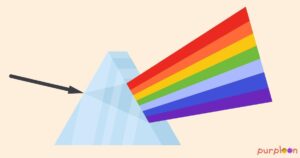
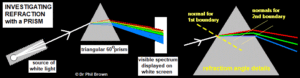
Draw pictures of bubbles together or look at books about air, water, or rainbows (since bubbles show rainbow colors).
Safety Considerations for Toddlers
– Always supervise bubble play closely.
– Prevent toddlers from drinking or splashing bubble solution into eyes.
– Use only non-toxic, child-safe dish soap.
– Avoid strong winds that could blow solution into faces.
– Rinse any residue off skin and surfaces after play.
Conclusion: Big Science in Small, Sparkly Moments
Bubble play proves that the simplest activities can offer some of the richest learning opportunities. Through chasing, popping, blowing, and observing bubbles, toddlers naturally discover important science concepts like air, water, color, and cause and effect — all while having fun and moving their bodies.
With just a bowl of homemade bubble solution and a few household items, you can create joyful, screen-free moments that support sensory development, motor skills, language, and early scientific thinking.
Next time you want an easy, magical activity, reach for the dish soap and create some bubbles. Your toddler’s giggles and wide-eyed wonder will show you just how powerful simple science play can be.
What is your toddler’s favorite way to play with bubbles? Share your best bubble tips or creative variations in the comments below — we’d love to hear how your little one enjoys this sparkly science adventure!