Spend too long in the sun without protection and your skin turns red, gets warm, and starts to hurt. This is sunburn — but what exactly is happening to your skin?
The Invisible Enemy: UV Light
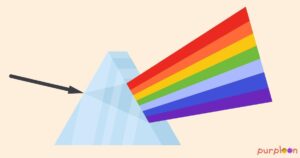
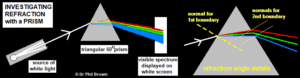
The sun gives off light we can see (visible light) — but also light we can’t see, called ultraviolet (UV) light. UV light is more powerful than visible light, and it can damage cells.
Sunburn isn’t a burn from heat — it’s damage from UV light. That’s why you can get sunburned even on cool days!
What UV Light Does to Your Skin
When UV light hits your skin, it can damage the DNA inside your skin cells. Your body responds:
1️⃣ Inflammation — Blood rushes to the area to fix the damage. That’s the redness!
2️⃣ Heat — More blood flow = warmer skin
3️⃣ Pain — Damaged cells trigger nerve signals
4️⃣ Peeling — Your body sheds the damaged cells
Melanin: Your Body’s Natural Sunscreen
Your skin contains a chemical called melanin. Melanin absorbs UV light and protects your DNA. The more melanin you have, the more protection.
When your skin senses too much UV exposure, it makes EXTRA melanin to protect itself. That’s why people tan — your body is making natural sunscreen!
But tanning still means your skin was damaged — it’s just a body’s emergency response.
The 2 Types of UV Light
☀️ UVA: Penetrates deeper into skin. Causes wrinkles and aging.
☀️ UVB: Hits the top of skin. Causes sunburn.
Sunscreen is rated ‘broad spectrum’ if it blocks both. Always pick broad-spectrum sunscreen!
Why You Should Care
Sunburn isn’t just temporary discomfort. Repeated sun damage adds up over years:
📈 Increases risk of skin cancer
🌞 Causes premature wrinkles
🎯 Damages DNA in skin cells
Sunburn in childhood doubles the risk of melanoma (the most dangerous skin cancer) as an adult!
How to Protect Yourself
🧴 Apply sunscreen SPF 30+ every 2 hours
👒 Wear hats and sunglasses
👕 Cover up with clothing
🌳 Stay in shade during peak hours (10am–4pm)
⏰ Reapply sunscreen after swimming or sweating
Cool Sun Facts
🌞 Even on cloudy days, 80% of UV light gets through
🌨️ Snow reflects UV light — you can get sunburned skiing!
🏖️ Water reflects UV too — and you’re more exposed at the beach
🌅 UV is strongest at noon, weakest at sunset/sunrise
🌍 UV is stronger near the equator and at higher altitudes
Protect your skin — you only get one to last a lifetime! 🌞🧴